





When disaster hits and water floods your Delaware home or business, you wonder if it can be fixed. Water damage can be severe, but the bright side is that it can often be restored.
The Institute of Inspection, Cleaning and Restoration Certification (IICRC) sorts water damage into categories. Knowing these categories is key for successful restoration.
To fix the damage, first, you must stop the water flow. Then, remove the water and dry the area to avoid more harm. The main aim is to get your Delaware property back to its original state. Luckily, experts in this field can help achieve this goal.
Key Takeaways
- Water damage restoration involves stopping the water flow and drying the property.
- The IICRC categorizes water damage based on the type of water involved.
- Effective restoration requires understanding the category of damage.
- Restoration aims to return the Delaware property to its original condition.
- Professionals play a critical role in the restoration process.
Understanding Water Damage and Its Effects
It’s important to know the different types of water damage. This helps figure out the best way to clean up and fix the problem. Water damage falls into three main categories based on the water’s source and how clean it is.
Category 1 water damage comes from clean water, like a burst pipe or a leaky faucet. This is the least harmful but needs quick action to avoid more damage.
Category 2 water, or gray water, has some contaminants. This can be from a washing machine or dishwasher. It’s not as safe as clean water and needs more detailed cleaning and fixing.
Category 3 water damage is the worst. It involves black water, which is full of harmful stuff like sewage or floodwater. Black water can have dangerous germs and needs fast, expert help to fix.
Effects of Water Damage on Properties
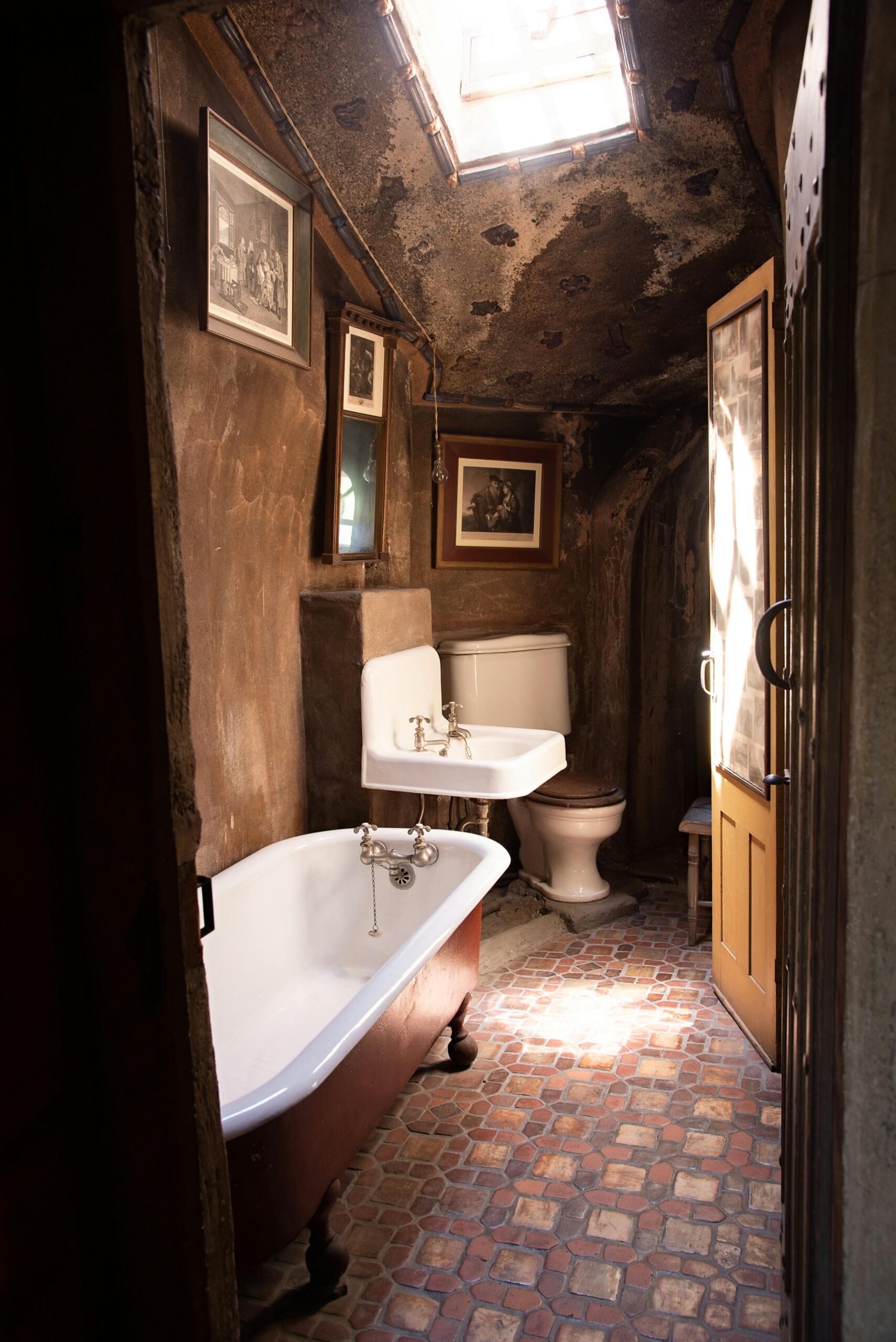
Water damage can really hurt a property. It can cause structural problems, mold, and damage to things you own. How bad it gets depends on the water type and how long it stays.
- Structural damage: Water can weaken a building’s foundation, walls, and ceilings.
- Mold growth: Moist places from water damage are perfect for mold. This can harm your health and damage the property more.
- Damage to personal belongings: Water can ruin or destroy things like furniture, electronics, and important papers.
A water damage restoration company can help a lot. They can check the damage, figure out the water type, and fix it the right way. Cleaning up water damage properly is key to stop more harm and keep everyone safe.
Can Water Damage Be Repaired in My Delaware Home?
Figuring out how bad water damage is is key to fixing it right. Damage can be from small leaks to big floods. Knowing how bad it is helps fix it well.
When checking water damage, look at the area closely. You need to see if the structure is okay, find where the leak is, and know what kind of water it is.
Inspecting the Damaged Area
Looking at the damaged area is a big part of fixing water damage. Experts use tools like moisture meters to find hidden water and see how bad it is.
- Check the floor, walls, and ceilings for signs of water damage or staining.
- Use a moisture meter to detect hidden moisture in walls, floors, and ceilings.
- Inspect the attic or roof above the ceiling leak to identify the source.
To fix water damage well, you need to dry the area, fix or replace damaged stuff, and make sure it’s safe. The cost to fix water damage can change a lot. It depends on how bad the damage is and what fixing it needs.
Fixing water damage includes drying, removing moisture, and rebuilding. Knowing what fixing it costs helps owners decide what to do about their water damage.
Professional Water Damage Restoration vs. DIY Approaches
Property owners often face a tough choice: DIY restoration or hiring a professional. Both have their good and bad sides. It’s key to know the differences to make a smart choice.
Professional water damage restoration companies have the skills, tools, and experience needed. They use top-notch equipment to remove water and moisture. This helps avoid more damage and mold.
Benefits of Professional Water Damage Restoration
- Expertise: Professionals are trained to handle complex projects.
- Specialized Equipment: They use industrial-grade tools for efficient restoration.
- Comprehensive Restoration: They fix not just the damage but also prevent future problems.
DIY methods can save money and appeal to those who like fixing things. But, they often lack the needed expertise and tools for a complete fix.
Limitations of DIY Approaches
- Limited Expertise: Without proper training, DIY efforts may miss some damage.
- Inadequate Equipment: Home tools might not be enough for thorough drying.
- Increased Risk: DIY can lead to more damage, mold, or issues if not done right.
In summary, while DIY might seem tempting, professional restoration is usually the best choice. They offer expertise, the right tools, and a full fix. Property owners should think carefully about each option before deciding.
Conclusion: Ensuring Successful Water Damage Recovery in Delaware
Fixing water damage in Delaware needs a complete plan that includes stopping the damage, cleaning up, and making things right again. Knowing that water damage can be fixed is the first step to getting a property back to normal.
Quick action is key to effective water damage cleanup. Using exhaust fans and dehumidifiers helps dry out the area and stops mold. These steps are important for fixing water damage.
By taking a detailed approach to fixing water damage, Delaware property owners can achieve a successful recovery. Whether you hire professionals or do it yourself, the main thing is to act fast and do it well. Yes, water damage can be fixed with the right methods.
All-in-One Solutions with C&B Complete in Maryland
From Maryland home renovations to full-service restoration projects, C&B Complete brings expert craftsmanship, clear communication, and unmatched reliability to every job. Make your vision a reality—request your free inspection today!