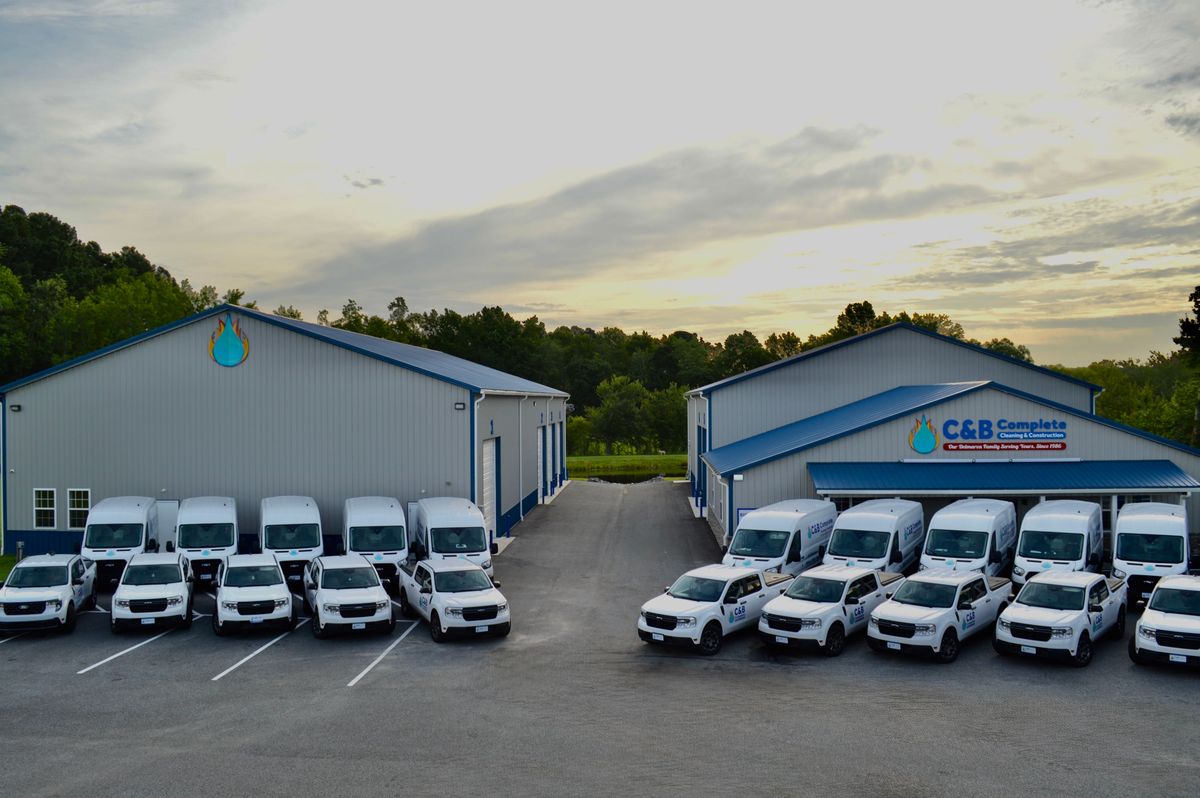
Professional Mold Remediation for Homes and Businesses in Delaware & Maryland
When mold is growing inside your home or business, the problem is usually bigger than the spot you can see. Our mold remediation team identifies the moisture source, contains the affected area, removes materials that can't be cleaned, treats what can be saved, and helps get the space dry before the problem spreads further. We serve homes and businesses across Delaware and Maryland, from a single bathroom with a musty smell that won't quit to a full basement after a flood.
Every crew includes an IICRC-certified technician, and we've worked in this region since 1986. We answer the phone 24/7, and a First Responder is on site within 90 minutes of your call. Our Client Care Coordinator stays your single point of contact through the job, so you're not chasing down a different person every time you call.
If you can see mold, smell a musty odor that won't go away, or had water damage recently, call (302) 381-9891. We'll walk through what we find and what it takes to fix it before we start any work.
What Mold Remediation Includes
Mold remediation covers everything from the first walkthrough to the point where the space is dry, clean, and ready to close back up. Depending on what we find, a typical job includes:
- Inspection of visible growth, moisture patterns, and the materials it has affected.
- Containment to keep spores and debris from spreading into unaffected rooms.
- HEPA air filtration during the work when the scope calls for it.
- Removal of porous materials that can't be reliably cleaned — drywall, insulation, carpet, ceiling tile.
- Cleaning and treatment of salvageable hard surfaces.
- Drying and moisture correction, because mold doesn't stay gone if the space stays wet.
- Documentation throughout, and coordination of post-remediation verification when the job calls for it.
Mold remediation isn't one task — it's a sequence. Cleaning without drying, or removing materials without fixing the moisture source, is usually why mold comes back.
Mold Remediation vs. Mold Removal
Removal is part of remediation, not a substitute for it. Removal is pulling out or cleaning the mold you can see. Remediation is the fuller process — it also addresses the moisture source, containment, drying, and prevention, so the same spot doesn't grow back in six months. If your problem looks like a smaller, visible patch and you want to understand that specific job, our mold removal page covers it directly.
When Mold Remediation Is Required
Remediation is usually the right call when the affected area is larger than a small patch, when mold keeps returning after cleaning, when it follows water damage or a long-running leak, when it's inside HVAC components, or when porous materials like drywall or insulation are involved. It's also worth a closer look sooner rather than later if anyone in the home or building has asthma, allergies, or another condition that makes them more sensitive to indoor air quality. We can't advise on medical questions, but we can tell you what we find and let you decide from there.
Our Mold Remediation Process
Here's what actually happens once we're on site.
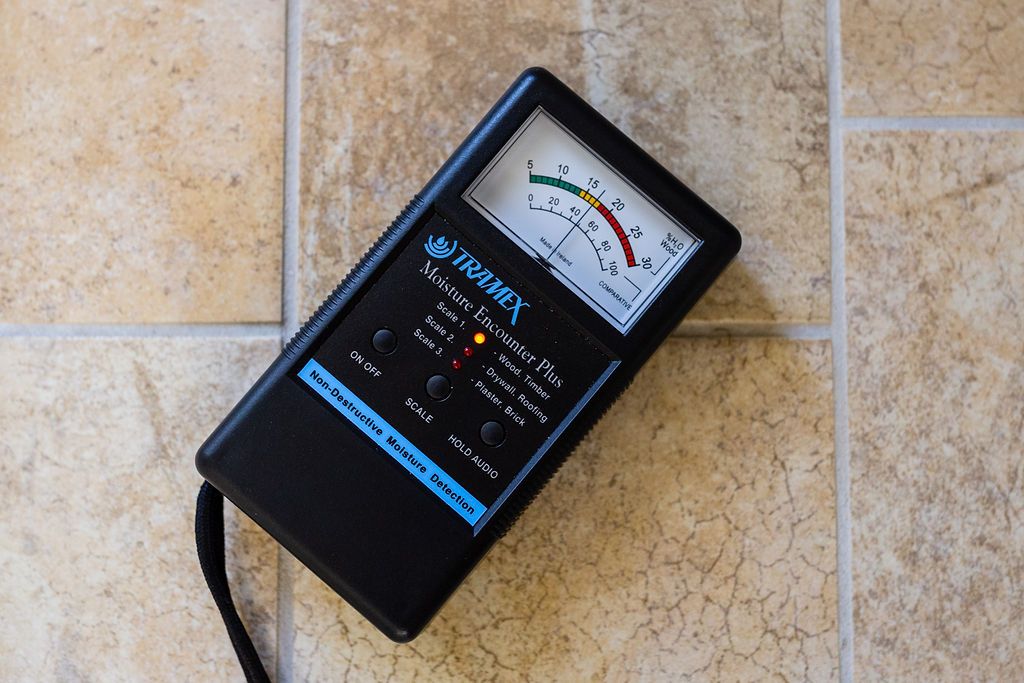
1. We inspect the visible growth and the surrounding moisture conditions, checking beyond what's obvious with a moisture meter. 2. We identify the moisture source, because remediation without fixing the source is temporary. 3. We set up containment and evaluate whether the HVAC system needs to be isolated or checked. 4. We run HEPA air filtration where the scope calls for it. 5. We remove materials that can't be cleaned, and clean and treat the surfaces that can. 6. We dry the space and correct the humidity or moisture conditions that let mold grow in the first place. 7. We document the job with photos and notes, and coordinate any post-remediation verification the situation calls for.
Every job starts the same way: look before we touch anything, then build the plan around what we actually find.
Your Project Manager and the First Call
After you call, your First Responder is on site within 90 minutes for the initial inspection. You don't need to speak with your insurance company first, and if a claim is necessary, your project manager will help you call and file it.
Hygienist Inspection for Jobs Over 10 Square Feet
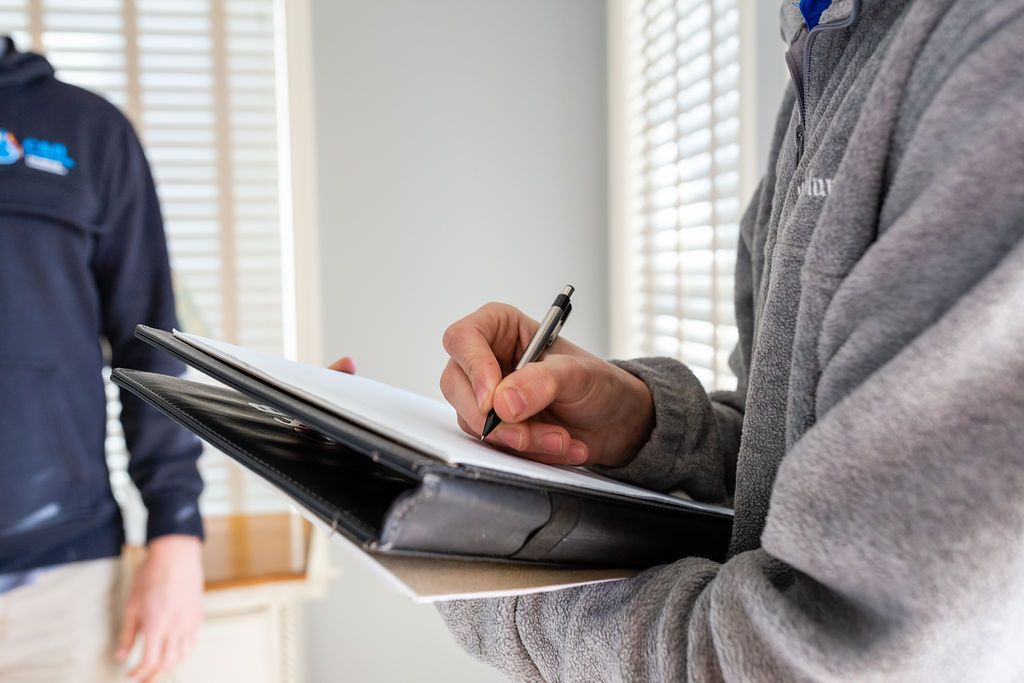
C&B inspects the property first. If the affected area is larger than 10 square feet, industry guidelines call for a certified environmental hygienist to inspect before remediation begins, and we bring one in. We coordinate that inspection with a trusted, certified hygienist we work with, so the process stays seamless for you, and the hygienist writes a report and protocol that we follow to remediate your property correctly. The hygienist's fee is between you and the hygienist, not C&B. Your project manager then writes an estimate from the hygienist's scope of work — sent to your insurance company when there's coverage — and the contract sets out payment terms and draws through the remediation.
Remediation, Air Purification, and Wrap-Up
Following the hygienist's protocol, our certified team carries out the remediation: intensive scrubbing and cleaning, controlled demolition, and air purification, with the correct personal protective equipment throughout. A final walkthrough with your crew chief or project manager takes place on the day we pick up the equipment.
Post-Remediation Inspection Within 48 Hours
We recommend a post-inspection by the hygienist within 48 hours of us completing the scope. Mold spores occur naturally all around us, so a later inspection can skew the readings. We coordinate that visit with the hygienist too; as with the first, the fee is between you and the hygienist.
Mold After Water Damage, Leaks, or Humidity Problems
Mold grows where moisture sits unresolved. The most common causes we see are roof leaks, plumbing leaks, appliance leaks, basement moisture, crawl space humidity, and storm or flood water that wasn't fully dried out. If mold followed a water event, drying and source correction aren't optional extras — they're the difference between remediation that holds and remediation that has to be redone in a few months.
If your mold problem started with a leak, a flood, or standing water, our water damage restoration team handles the extraction and structural drying side, and we coordinate the two processes so nothing falls through the gap between them.
Safety, Containment, and Indoor Air Protection
Mold shouldn't be disturbed without the right precautions. Cleaning or removing mold without containment can push spores and dust into rooms that were never affected, turning a contained problem into a bigger one. That's why containment comes early in our process, not as an afterthought.
Some people are more sensitive to mold exposure than others, especially people with asthma, chronic lung conditions, allergies, or a suppressed immune system. We're not positioned to advise on health questions — that's a conversation for a doctor. What we can do is contain the work area, use HEPA filtration where the job calls for it, and evaluate whether the HVAC system needs to be shut off or checked before we start.
We remove porous materials — drywall, carpet, insulation, ceiling tile — when they can't be reliably cleaned, because those materials can hold mold below the surface even after a visible wipe-down. We'll tell you which materials fall into that category before anything comes out.
Mold Remediation Cost Factors
There's no fixed price we can quote over the phone, because mold jobs vary too much for that to be honest. What actually drives the cost:
- The size of the affected area.
- Where the mold is located, and how easy it is to access.
- Whether the affected materials are porous (drywall, insulation, carpet) or non-porous (tile, metal, sealed concrete).
- Whether demolition, contents cleaning, or an HVAC evaluation is needed.
- What it takes to fix the moisture source, and how long drying will run.
- Whether third-party testing or clearance is part of the plan.
We price with Xactimate, the estimating software most insurance companies already use, and we won't give you a number until we've actually inspected the space. Call (302) 381-9891 and we'll schedule a look.
Insurance and Documentation for Mold Damage
Coverage for mold depends on your policy and what caused it. Sudden water damage — a burst pipe, for instance — is often treated differently than mold from a long-running leak or a maintenance issue that went unaddressed. We can't tell you what your policy covers; that determination belongs to your insurance carrier.
What we can do is document the job thoroughly — photos, moisture readings, an itemized scope of the affected areas — and our Adjuster Liaison sends that documentation directly to your carrier. We work with all insurance companies, and our Client Care Coordinator stays your single point of contact so you're not tracking down updates from three different people.
Related Mold Services
Mold shows up differently depending on where it's growing and what caused it. These pages go deeper into specific situations.
Mold Removal
If you're dealing with a smaller, visible patch rather than a full remediation project, our mold removal page walks through cleanup for walls, wood, drywall, and other surfaces.
Mold Inspection
Not sure whether what you're looking at is mold, or how far it's spread? Our mold inspection page covers what a professional evaluation includes, and how it differs from lab testing.
Black Mold Removal
Dark, black-colored growth raises its own questions. Our black mold removal page covers identification limits, safety, and the removal process for visibly dark mold.
Attic Mold Removal
Roof leaks, poor ventilation, and bathroom fans that vent into the attic are common causes of attic mold. Our attic mold removal page covers what's specific to that space.
Crawl Space Mold Removal
Ground moisture and humidity make crawl spaces one of the most common places we find mold. Our crawl space mold removal page covers what's different about that environment.
Schedule Mold Remediation in Delaware & Maryland
If you see mold, smell a musty odor that won't go away, or recently had water damage, call C&B Complete Cleaning & Construction. We'll inspect the affected area, explain the scope in plain language, and recommend the next step for your home or business — whether that's remediation, a referral to our mold removal team, or coordinating third-party testing for a larger job.
We've served Delaware and Maryland since 1986, we're licensed, bonded, and insured (DE 2007223623, MHIC 132085), and an IICRC-certified technician is on every crew we send. Call (302) 381-9891, or send us a request online and we'll follow up within 15 minutes during business hours.