Ceiling Water Damage Restoration in Delaware & Maryland
C&B Complete Cleaning & Construction restores ceiling water damage across Delaware and Maryland caused by ceiling leaks, burst pipes above a room, roof leaks, bathroom overflows, HVAC condensation, and hidden moisture trapped above drywall or plaster. A wet ceiling isn't always urgent, but sometimes it is — and knowing the difference matters, since a sagging or bulging ceiling can be a real safety risk.
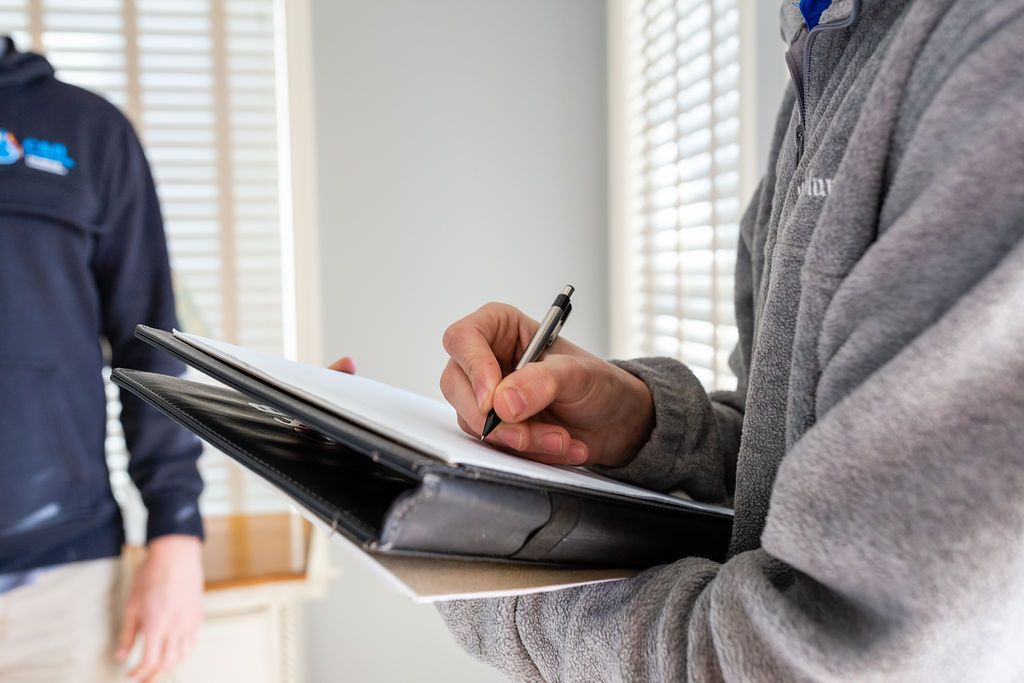
We answer the phone 24/7, and a First Responder is on site within 90 minutes, with an IICRC-certified technician on every crew. We start with a free inspection to see how far the water has traveled above the ceiling before we make any decisions about what needs to come down.
If your ceiling is actively leaking or sagging, call (302) 381-9891 right away. Inspections are free.
Signs ceiling water damage needs immediate help
A ceiling that's actively dripping, visibly sagging, bulging, or soft to the touch needs attention right away — those are signs the drywall or plaster has absorbed more water than it can hold, and there's a real risk of a section coming down. Stay out from directly underneath a sagging ceiling and call us rather than testing it yourself.
Less urgent, but still worth a call, are a yellow or brown stain that keeps spreading, peeling paint, a musty smell coming from overhead, or a stain that shows up after every heavy rain. Those often mean the source is still active even if the ceiling itself looks stable for now. A water damage inspection can tell you which situation you're actually in before you decide what to do next.
Common causes of wet ceilings
The most common sources we see are a bathroom or plumbing fixture leaking from the floor above, a roof leak letting rainwater into the attic and down through the ceiling, a burst or slow-leaking pipe running through a ceiling cavity, HVAC condensation building up around ductwork, and appliance overflows from an upstairs kitchen or laundry room finding their way down through the subfloor.
Because the water source is usually above the visible stain, the ceiling damage you see often isn't right below where the leak started — water tends to travel along framing and pool at the lowest point before it shows through the drywall. If you're not sure exactly where the leak is coming from, our water leak detection page explains the difference between locating a leak and assessing the damage it's caused.
Drying, removal, and reconstruction decisions
Once the source is controlled, we assess how much of the ceiling can be dried in place versus how much needs to come down. Ceilings that caught water briefly and show only light staining can sometimes be dried with air movers and dehumidifiers and repainted afterward. Ceilings that sagged, bulged, or stayed wet for an extended period usually need the affected drywall or plaster removed, since saturated ceiling material loses structural integrity and won't dry back to a safe, paintable condition.
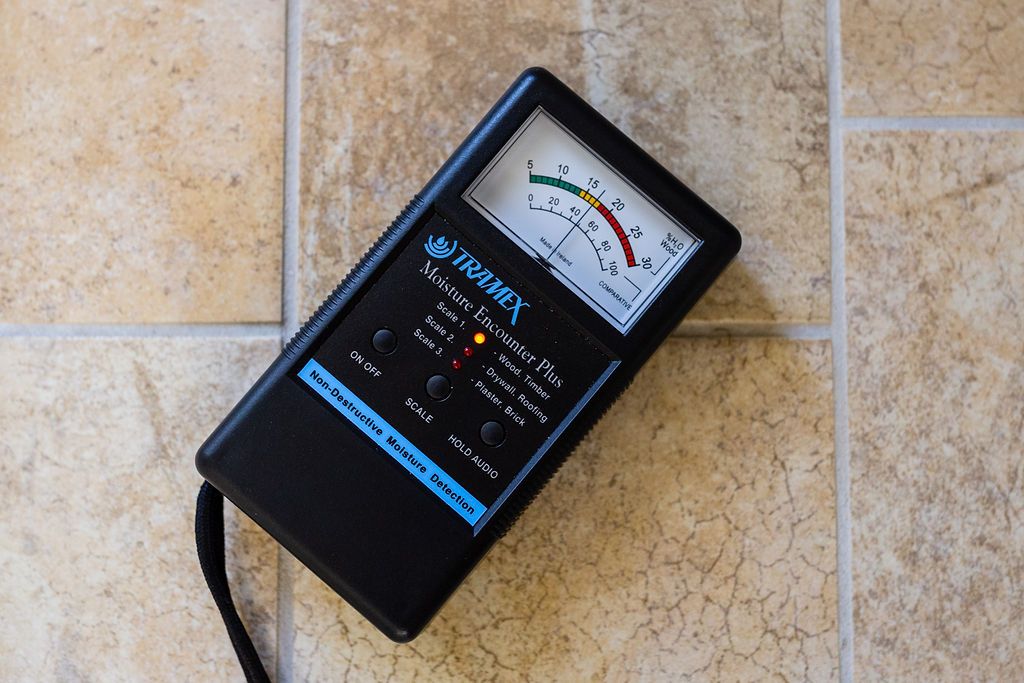
Equipment runs 24 hours a day for best results, and we take moisture readings above and around the affected area throughout the job rather than guessing when it's dry. Our structural drying page covers how we handle drying materials that can be saved.
Mold and insulation concerns above the ceiling
Water that reaches a ceiling cavity often reaches attic insulation or the space between floors too, and that's an area that's easy to miss if you're only looking at the visible stain from below. Wet insulation loses its effectiveness and can hold moisture long after the ceiling below looks dry, which raises the risk of mold developing somewhere you can't see.
We check beyond the visible ceiling damage as part of our inspection, and fast drying reduces mold risk significantly — it isn't a guarantee in every case, since every property and every leak is different. If we find visible mold once we're on site, that's handled separately by our mold remediation team.
Documentation for insurance and repairs
We document ceiling water damage the same way we document any water loss — photos, moisture readings, and an itemized scope of what's affected and what needs to be removed. Our Adjuster Liaison sends that documentation directly to your carrier, and we price the work using Xactimate.
Coverage depends on your policy and the cause of the damage, and that determination is made by your insurance carrier, not by us. Once the ceiling is dry and any needed material has been removed, our reconstruction team handles the repair, so one company takes the job from the first call to the finished repair.
Call C&B for Ceiling Water Damage in Delaware & Maryland
If your ceiling is showing water damage in Delaware or Maryland, call C&B Complete Cleaning & Construction. We'll inspect the extent of the damage, dry what can be saved, remove what can't, and document everything so you're ready to move toward repair.
We've served this region since 1986, we're licensed, bonded, and insured (DE 2007223623, MHIC 132085), and an IICRC-certified technician is on every crew we send. Call (302) 381-9891 any time, day or night, or send us a request online and we'll follow up within 15 minutes during business hours.