Water Damage Inspections In Delaware & Maryland That Find Hidden Moisture
C&B Complete Cleaning & Construction provides water damage inspections across Delaware and Maryland for visible leaks, hidden moisture, stains, warped flooring, wet drywall, ceiling damage, basement water, and concerns left over after a flood. An inspection is how we find out what's actually wet — not just what you can see — before we make any recommendation about drying, removal, or repair.
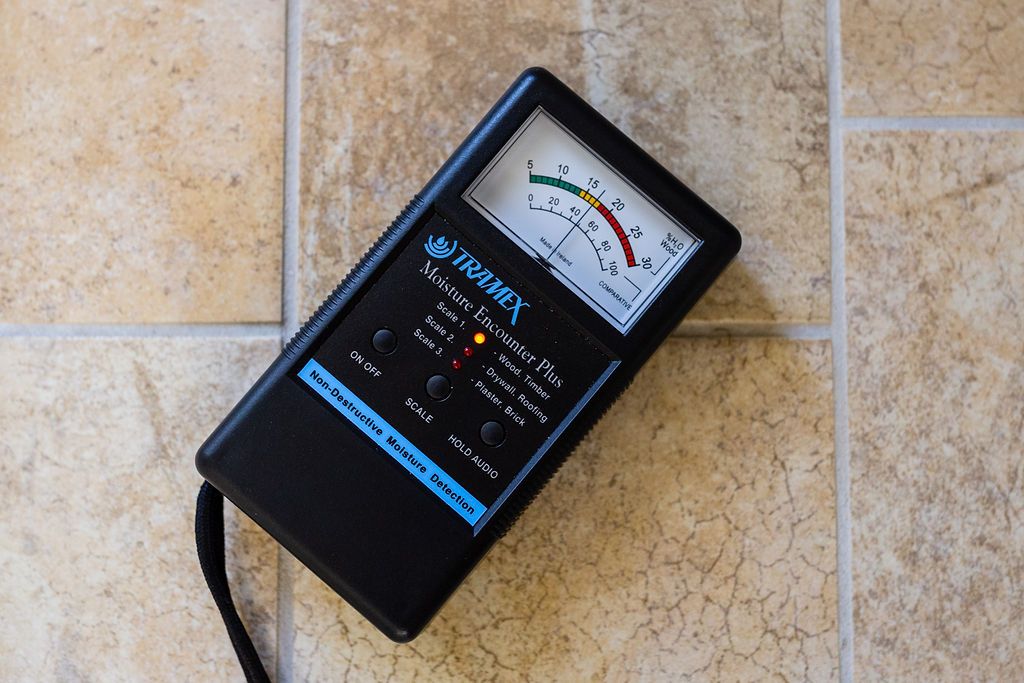
Every inspection is free and uses moisture meters and, where useful, thermal imaging, along with photos and written notes documenting what we find. Inspections are free, and we'll tell you plainly what we found and what we'd recommend, whether or not you decide to move forward with us.
Call (302) 381-9891 to schedule an inspection, or if you're dealing with active water damage right now, we answer 24/7 and a First Responder can be on site within 90 minutes.
When to schedule an inspection
An inspection makes sense any time you suspect water damage but aren't sure how serious it is — a stain that keeps coming back, a musty smell with no obvious source, flooring that feels soft in one spot, or a recent leak or flood you want assessed before deciding on next steps. It's also worth scheduling one before you buy a property with a history of water issues, or after a storm even if you didn't see obvious damage.
You don't need standing water or visible destruction to justify a call. Hidden moisture causes real problems precisely because it's hidden, and a quick inspection is usually the fastest way to find out whether you're looking at a minor issue or something that needs immediate attention.
What technicians check during the assessment
We walk the affected area and check drywall, flooring, subfloor, baseboards, cabinets, and ceilings with moisture meters, not just a visual look. Where it's useful, we also use thermal imaging to spot temperature differences that often indicate moisture behind a surface, which helps us decide exactly where to take direct meter readings.
We're checking for a few things at once: how far the water has traveled, which materials are affected and to what degree, whether there's a safety concern like electrical exposure or structural softening, and whether what we're looking at is an isolated spot or part of a bigger problem. We also note the likely water category — clean, gray, or contaminated — since that affects what can safely be dried in place versus what needs to be removed. If what brought you here is a suspected active leak rather than existing damage, our water leak detection page explains the difference between assessing damage and locating a leak's source.
Photos, moisture readings, and documentation
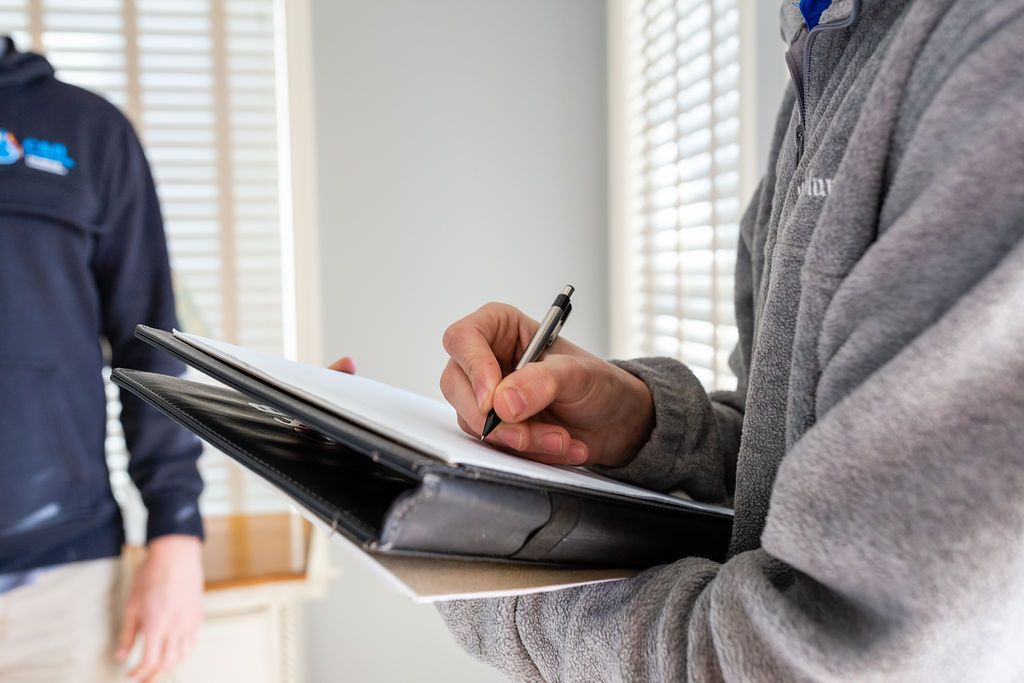
Every inspection produces a written record — photos of the affected areas, moisture readings by location, and notes on what we found and why. That record is useful on its own, whether or not you move forward with a restoration job, and it becomes the foundation for a scope of work if you do.
If you're planning to file an insurance claim, this documentation is typically what your carrier will want to see. Our Adjuster Liaison can send it directly to your insurance company, and we price any recommended work using Xactimate.
Hidden water damage and thermal inspection
Water damage isn't always visible, and that's exactly why an inspection matters. Water can travel sideways under flooring, up into drywall from the baseboard, or into a wall cavity from a leak that's since been fixed — all without ever showing an obvious sign in the room. Thermal imaging helps us find these areas faster, though a moisture meter reading is what confirms whether a spot is actually wet.
If an inspection turns up more than moisture — visible mold, for instance — that gets flagged and handled separately by our mold remediation team rather than folded into a standard water damage inspection.
Next steps after the inspection
Once we've completed the assessment, we'll tell you what we found in plain terms — what's wet, how extensive it is, and what we'd recommend, whether that's simply monitoring, targeted drying, or a fuller restoration job. If drying or repair is needed, we can typically start the same visit or schedule quickly, since the inspection already gives us what we need to scope the work.
Not every inspection turns into a restoration job, and that's fine. Sometimes the answer is that a spot is within a normal range and doesn't need intervention, and we'll tell you that too.
Call C&B for a Water Damage Inspection in Delaware & Maryland
If you suspect water damage anywhere in your Delaware or Maryland home or business, call C&B Complete Cleaning & Construction for a free inspection. We'll check beyond what's visible, document what we find, and give you a clear, honest recommendation for what happens next.
We've served this region since 1986, we're licensed, bonded, and insured (DE 2007223623, MHIC 132085), and an IICRC-certified technician is on every crew we send. Call (302) 381-9891 any time, or send us a request online and we'll follow up within 15 minutes during business hours.