Emergency Water Extraction in Delaware & Maryland
C&B Complete Cleaning & Construction provides water extraction across Delaware and Maryland for homes and businesses dealing with standing water, soaked flooring, flooded rooms, appliance leaks, plumbing failures, and storm water intrusion. Extraction is usually the first physical step in any water damage restoration job — before drying can start, the standing water has to come out.
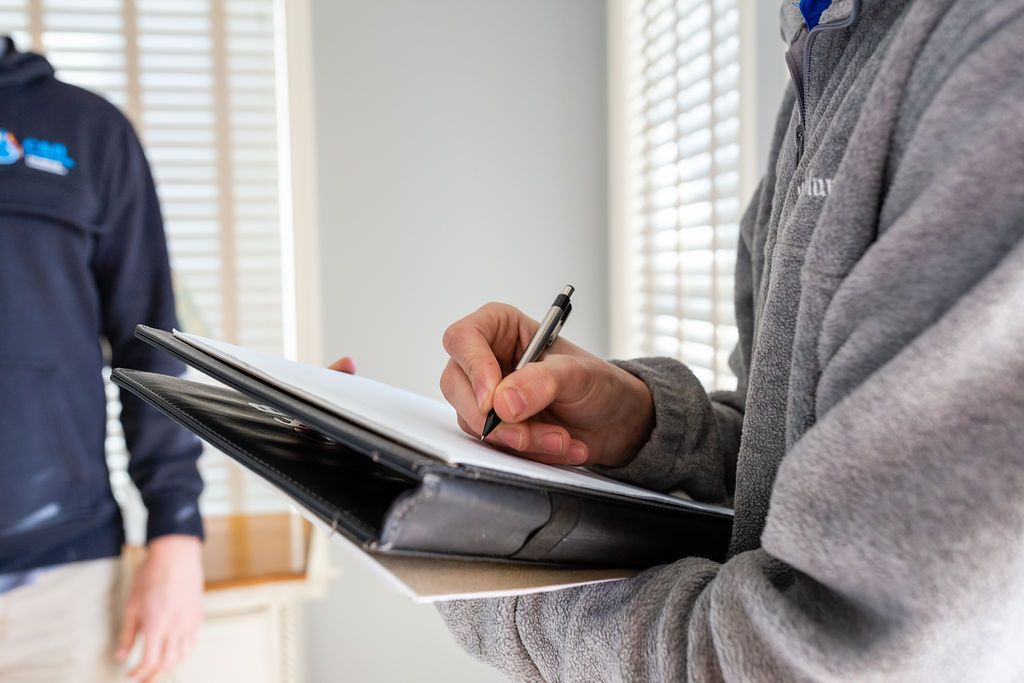
We answer the phone 24/7, and a First Responder is on site within 90 minutes of your call. Every crew includes an IICRC-certified technician, and we start with a free inspection so we know exactly how far the water traveled before we bring in equipment. We check under and around visible water too, since extraction has to reach everywhere the water actually went, not just the puddle in the middle of the room.
Standing water in your home or business right now? Call (302) 381-9891. Inspections are free, and the faster extraction starts, the less secondary damage you're likely to see.
When standing water needs professional extraction
Not every spill needs a crew with equipment — a small puddle from a dropped glass is a mop-and-towel job. Professional extraction becomes the right call when water covers more than a small area, when it's been sitting for more than a couple of hours, or when it's reached carpet, carpet pad, or flooring that can trap moisture underneath.
Standing water that's an inch deep or more, water that's spread across multiple rooms, or water from a source you can't immediately identify are all signs it's time to call rather than handle it yourself. The same goes for any water that might be contaminated — from a sump pump failure, a toilet overflow, or water that's come in from outside. When in doubt, call — a quick phone assessment costs nothing, and it's a faster way to know whether you need professional extraction than waiting to see if a wet spot gets worse.
Extraction is the emergency-response side of a bigger process. Once the standing water is out, the job moves into mitigation — the steps that keep the damage from spreading further while drying gets underway. If you want the fuller picture of that process, our water mitigation page walks through it.
Extraction equipment and first-response steps
We use truck-mounted extraction units for larger volumes of water and portable extractors for tighter spaces — stairwells, closets, small bathrooms — where a truck-mounted unit can't reach efficiently. Both pull water out of carpet, carpet pad, and hard flooring far faster and more completely than shop vacuums or towels ever could. For larger commercial spaces or multi-room floods, we may run several extraction units at once to keep pace with the water rather than working through room by room in sequence.
Before extraction starts, we do a quick walkthrough to identify the water's likely path — not just where it's pooled, but where it's traveled under flooring, behind baseboards, and into adjoining rooms. That walkthrough shapes where we start and how much equipment we bring in.
Extraction removes the water you can see and most of what's saturating porous materials near the surface. It doesn't finish the job on its own — moisture that's worked deeper into subfloor, drywall, and framing needs structural drying afterward to fully dry out. Our structural drying page covers how we handle that part of the process.
What happens after water removal
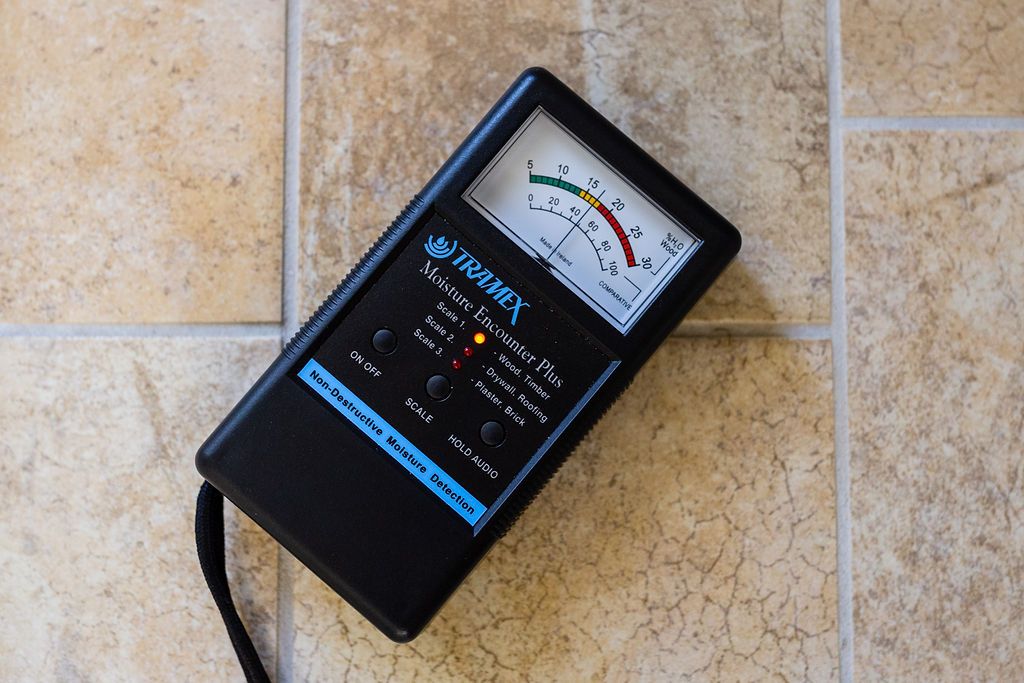
Once standing water is out, we set up air movers and dehumidifiers to handle what extraction alone can't reach — moisture that's already moved into drywall, subfloor, and framing. Equipment runs 24 hours a day for best results, and we take moisture readings throughout rather than guessing when a space is dry. Most drying projects take 3 to 7 days, though some take longer depending on how much material was affected and how long it stayed wet.
While drying runs, we also clean and sanitize surfaces based on the water's contamination level, and we start documenting the job — photos, moisture readings, and an itemized scope of what was affected. We also check for any content that needs to move out of the work area — furniture, boxes, area rugs — so drying equipment can reach the floor and walls underneath without obstruction.
If the extraction followed a flood event rather than an isolated leak, the drying and documentation side of the job often runs a bit longer, since flood water tends to affect more square footage. Our flood damage restoration page covers that scenario specifically.
Common sources of extracted water
Most of the water we extract comes from a handful of recurring sources: burst or leaking supply lines, water heater failures, washing machine and dishwasher overflows, toilet and bathtub overflows, sump pump failures, and storm water or groundwater intrusion. Roof leaks and plumbing failures inside walls also show up regularly, usually discovered only after water has already pooled somewhere visible. Ice makers, dishwashers, and refrigerator supply lines are also common sources of water that pools in kitchens, sometimes for hours or days before anyone notices the flooring has softened underneath.
The source matters because it tells us what category of water we're dealing with. Clean water from a supply line is the simplest extraction. Water from a toilet overflow or an appliance discharge carries some contamination and needs more careful handling. Water from a sewage backup or significant flooding is the most contaminated tier and requires protective procedures well beyond standard extraction. If sewage is involved in your loss, our sewage cleanup page covers that process specifically.
Residential and commercial extraction
We extract water from homes, condos, and rental properties, working directly with homeowners, landlords, and tenants to get equipment running quickly and keep everyone informed. For property managers handling multiple units, we coordinate scheduling so extraction doesn't stall while you're tracking down access or approvals. Multi-family properties bring their own wrinkle — water from one unit's leak often affects the unit below, which means coordinating extraction and communication across more than one household or tenant.
We also handle extraction in commercial buildings — offices, retail spaces, restaurants, warehouses, medical offices, and schools throughout Delaware and Maryland. Commercial jobs usually add a layer of urgency around keeping the rest of the building operating, so containment and scheduling around business hours matter as much as the extraction itself. This is one piece of the broader water damage restoration work we do across the region, residential and commercial alike.
Whatever the property type, the extraction process itself doesn't change — we still map the water, pull it out, and check beyond the visible area before we call it done. What changes is how we communicate along the way: a homeowner usually wants one phone call with a straight answer, while a facility manager or landlord often needs updates that can be passed along to tenants, ownership, or an insurance adjuster. We adjust the paperwork and the pace, not the work itself.
Call C&B for water extraction in Delaware & Maryland
Standing water doesn't wait, and the longer it sits, the more it costs to fix. Call C&B Complete Cleaning & Construction for water extraction in Delaware & Maryland — we'll get equipment on site, pull the water out, and move straight into drying and documentation. Once extraction is done, the next phase is mitigation: the steps that keep any remaining moisture from spreading further while the structure dries out. Our water mitigation page covers what that looks like.
We've worked this region since 1986, and we're licensed, bonded, and insured (DE 2007223623, MHIC 132085), with an IICRC-certified technician on every crew. Call (302) 381-9891 any time, day or night, or send us a request online and we'll follow up within 15 minutes during business hours.