Fast Emergency Roof Tarping After Fire Damage in Delaware & Maryland
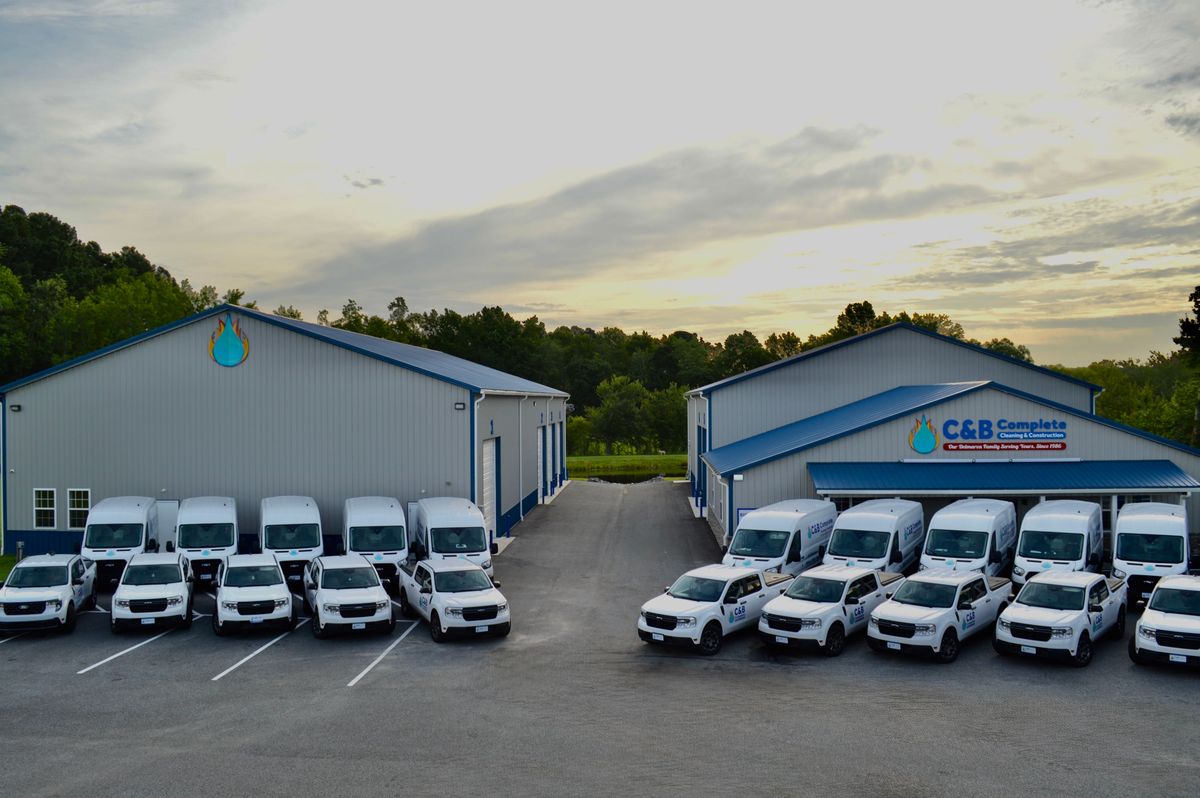
A fire can leave a roof with burned-through sections, openings cut for ventilation during firefighting, or damage from heat and suppression efforts — any of which can let rain and weather into your property while repairs are being planned. C&B Complete Cleaning & Construction provides emergency roof tarping for fire-damaged homes and businesses across Delaware and Maryland.
We answer the phone 24/7, and a First Responder is on site within 90 minutes of your call. Roof tarping is temporary protection, not a permanent repair, and it's usually one of the first things we do once a fire-damaged property is safe to access, before water intrusion turns a roof problem into a ceiling, insulation, and drywall problem too. Every hour a roof sits open to the weather is an hour that damage can spread further than the fire alone caused.
Don't climb a damaged roof yourself. If your fire-damaged property needs emergency roof tarping, call (302) 381-9891 — inspections are free.
When Emergency Roof Tarping Is Needed
Roof tarping after a fire is about protecting openings the fire itself created. That typically includes:
- Ventilation cuts made by the fire department during firefighting
- Sections burned through or structurally compromised by heat
- Missing or damaged roofing materials from the fire or the response to it
- Punctures or gaps that let rain reach the interior
Any of these can let water into your attic, insulation, and ceilings fast — sometimes within the first rainfall after the fire. We tarp fire-related roof openings specifically; it's part of how we stabilize a fire-damaged property before cleanup, drying, and repairs move forward. A roof that looks intact from the street can still have damage that's only visible from inside the attic, which is why we check both sides before deciding what needs to be covered.
What Roof Tarping Helps Prevent
An unprotected roof opening after a fire can let rain in fast, and water damage on top of fire damage compounds the problem — wet insulation, stained or sagging ceilings, soaked drywall, and increased mold risk in materials that stay damp. A tarp buys time between the fire and permanent roof repair by keeping the interior dry in the meantime.
It's not a guarantee against every drop of water in a heavy storm, but a properly placed tarp significantly reduces how much water gets in compared to an open roof. If water has already reached the interior, our water damage restoration page covers how we handle drying and extraction.
Our Emergency Roof Tarping Process
Here's what happens once we're on site, from the safety check to the finished tarp.
Safety and Roof Condition Review
We check the roof's condition before anyone gets on it — a fire-damaged roof can be structurally unsafe, and we won't take chances with crew safety or risk making the damage worse by working on a section that can't support weight.
Temporary Tarp Placement
We size and secure a tarp over the affected area, fastened to hold against wind and rain until permanent roof repair can happen. Larger openings may need more than one tarp section to fully cover the damaged area.
Photo Documentation
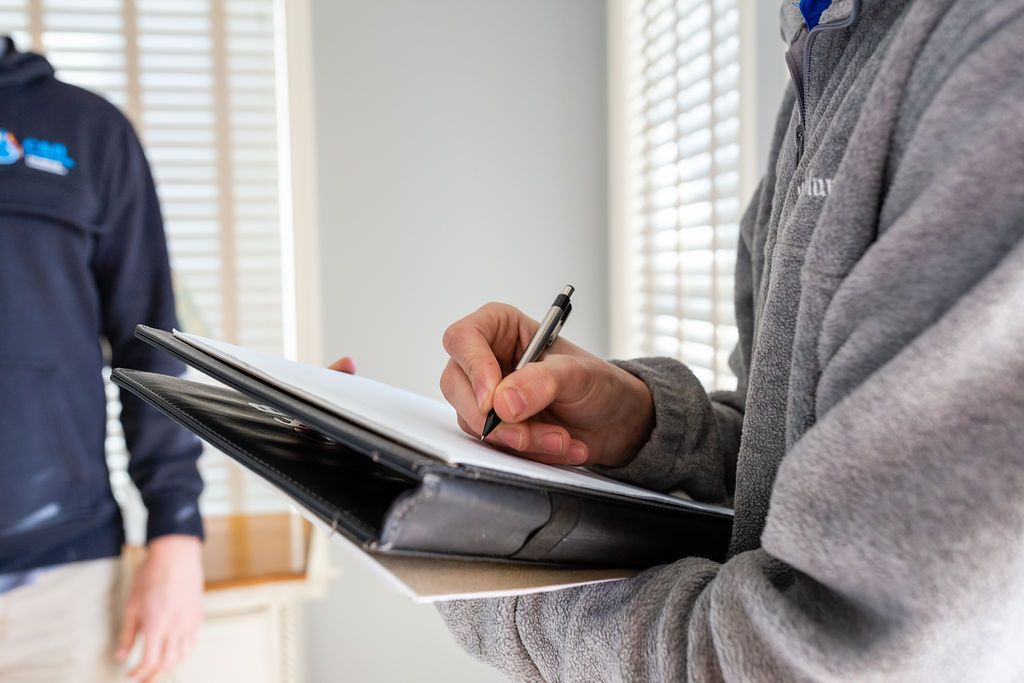
We photograph the roof damage and the tarp placement from multiple angles, giving you a clear record for your insurance carrier and for tracking the job as cleanup and repairs move forward.
Interior Water Check
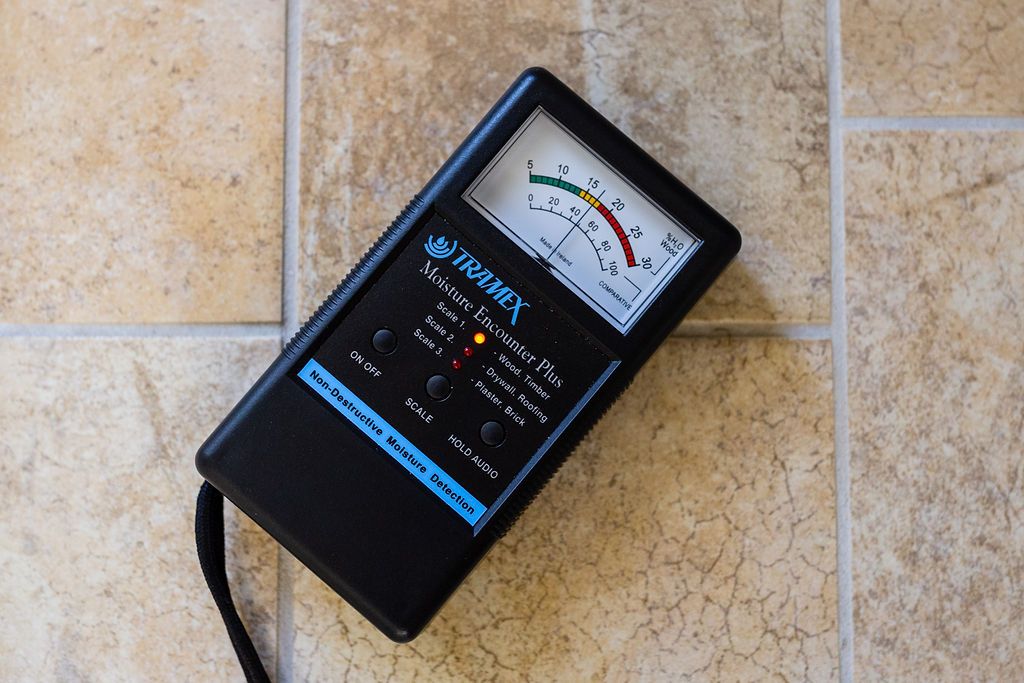
We check ceilings, attic spaces, and insulation below the damaged area for water intrusion, since a roof opening from a fire often lets some water in before tarping actually happens.
Repair or Restoration Planning
Once the roof is protected, we can talk through permanent roof repair options as part of your broader fire damage restoration and repair plan, and coordinate it with your roofer. That conversation usually happens once cleanup and drying are further along, so the full scope of damage is clear.
Roof Tarping and Board-Up After a Fire
Roof tarping and board-up are related but separate services, and a single fire can need both — a tarped roof section along with boarded windows or doors. We assess the whole property for openings the fire created, not just the roof, and secure everything with the appropriate method for each opening.
If your fire also left windows, doors, or wall sections open, our board-up services page covers that side of stabilization. Once the property is fully secured, we move into fire damage cleanup, smoke and soot restoration, and repair planning.
Request Emergency Roof Tarping in Delaware & Maryland
If a fire left your roof open to the weather, call C&B Complete Cleaning & Construction for emergency roof tarping in Delaware & Maryland. We'll assess the damage safely, tarp the affected area, check for water intrusion, and document everything for your insurance carrier.
We're licensed, bonded, and insured (DE 2007223623, MHIC 132085), with an IICRC-certified technician on every crew. Call (302) 381-9891 any time, day or night, or send us a request online and we'll follow up within 15 minutes during business hours.