Smoke Damage Restoration for Delaware & Maryland Homes and Businesses
Smoke can travel far beyond the room where a fire started, leaving residue on walls, ceilings, cabinets, and belongings in spaces that never saw flame. C&B Complete Cleaning & Construction provides smoke damage restoration across Delaware and Maryland for structure fires, kitchen fires, appliance fires, electrical fires, and fireplace or furnace incidents that leave smoke and soot behind — in homes, rental properties, and commercial buildings alike.
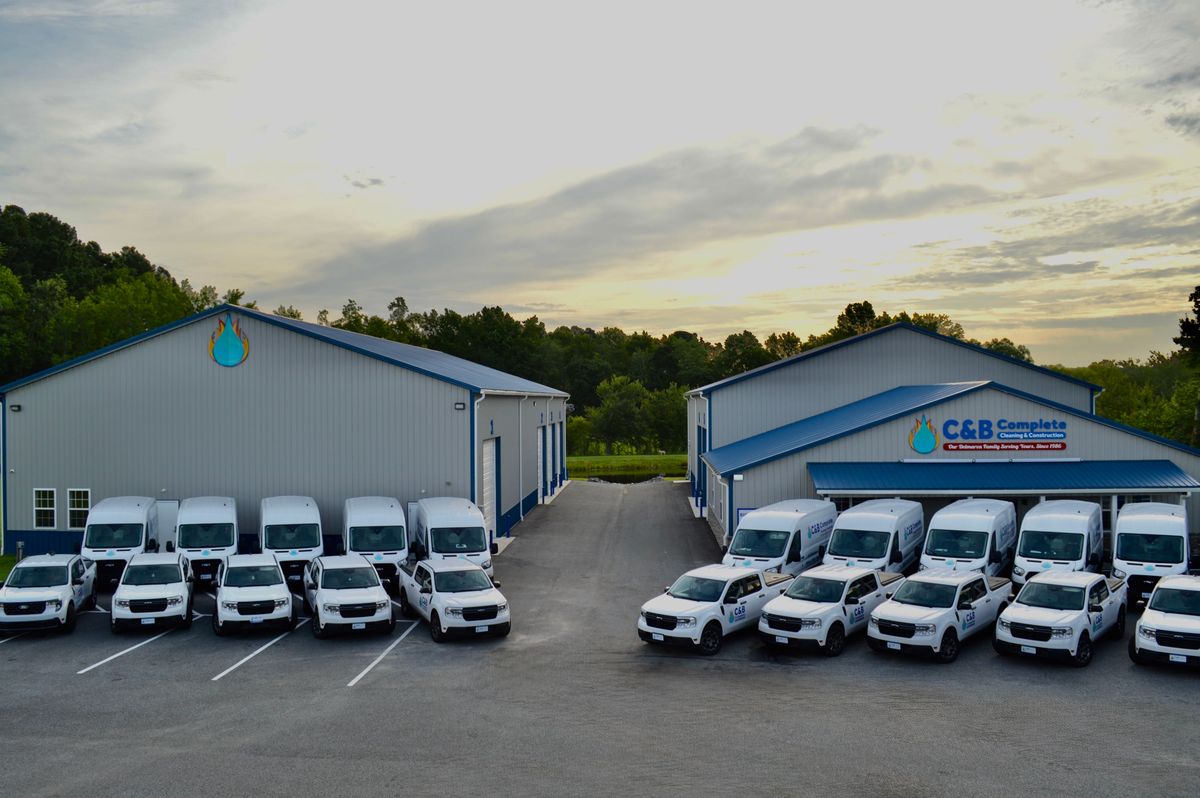
We answer the phone 24/7, and a First Responder is on site within 90 minutes of your call. Every crew includes an IICRC-certified technician, and we start with a free inspection so we know what residue we're dealing with and how far it traveled before we recommend a cleaning plan. That inspection also tells us whether smoke residue is the whole story or whether the fire caused other damage that needs a broader response.
Fast assessment matters here. The longer soot sits, the more likely it is to stain, and the more time it has to work into porous materials — drywall, wood trim, upholstery, and grout are all more forgiving the sooner they're addressed. If your property has smoke damage, call (302) 381-9891. Inspections are free, and getting ahead of residue early usually means more can be cleaned rather than replaced.
What Smoke Damage Can Affect
Smoke damage isn't limited to the room where the fire happened. Walls, ceilings, cabinets, flooring, and trim can all hold residue, and so can textiles, upholstered furniture, curtains, and other belongings in nearby rooms. Insulation and framing can carry smoke odor even after visible surfaces look clean, and porous materials — carpet, drapery, unfinished wood — tend to hold both residue and odor longer than hard, sealed surfaces like tile or glass.
We check well beyond the room with visible damage, because smoke moves through open doorways, hallways, stairwells, and a building's airflow. A room down the hall or on another floor can still have a fine film of residue you won't notice until you run a hand along a shelf or a windowsill — and that residue can keep producing odor even if you never see visible staining.
In commercial spaces, that same spread can reach inventory, fixtures, and equipment far from the fire's source, which is why a full walkthrough — not just the burned room — is the starting point for every job we take on.
Smoke Residue, Soot, and Staining
Not all soot behaves the same way. Dry soot from a fast-burning fire tends to be powdery and can often be brushed or vacuumed off with the right equipment. Wet or oily residue — common after a kitchen fire involving grease or protein, or a slow-smoldering fire — clings to surfaces and can stain if it's wiped with the wrong method. Synthetic materials like plastics and some fabrics tend to produce a heavier, more difficult residue than wood or paper.
Scrubbing soot with soap and water, or using a household cleaner before the residue type is identified, is one of the most common ways people accidentally make staining worse — it can smear fine particles deeper into a surface instead of lifting them off. We identify what we're dealing with before we touch anything, then choose a cleaning method suited to that specific residue and surface.
For more on how we handle black residue and staining specifically — including grout, stone, and metal surfaces — our soot damage cleanup page covers that process in more detail.
Our Smoke Damage Restoration Process
Here's what happens once we're on site, from the first inspection through the final review and repair plan.
Inspection and Residue Testing
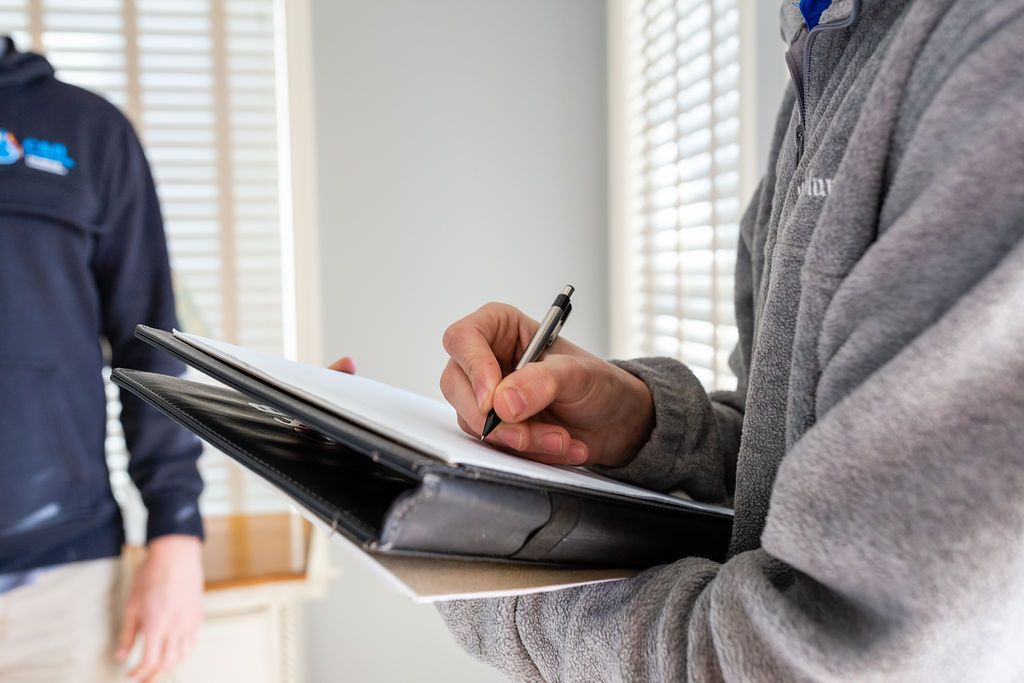
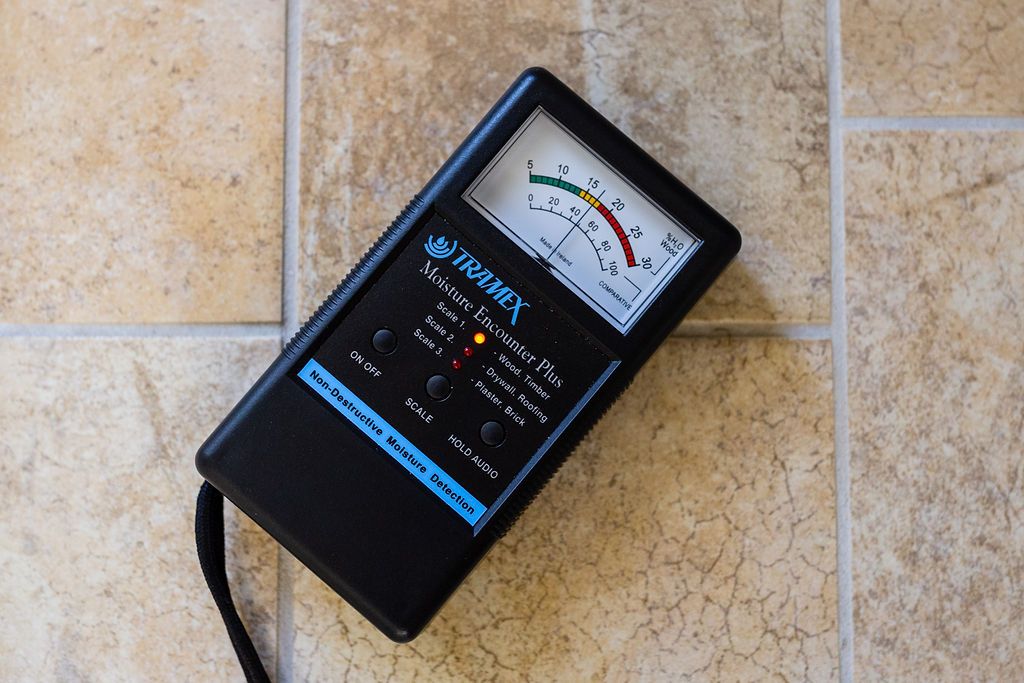
We identify the type of residue, how far it traveled, and which materials and surfaces it reached, including areas people don't usually think to check — inside cabinets, behind trim, along ceiling lines, and inside closets with doors that were shut during the fire. That inspection tells us what can likely be cleaned and what may need a closer look.
Ventilation and Containment Where Needed
For larger jobs, we contain the affected area and manage airflow so residue and odor don't spread further into unaffected rooms while we work. This matters most in multi-room fires and commercial spaces where the rest of the building may still be in use.
Cleaning and Residue Removal
We clean walls, ceilings, cabinets, and hard surfaces using methods matched to the residue type — the same soot can require a different approach on painted drywall than it does on tile, wood, or metal. We work from the least-affected areas toward the source, protecting surfaces that are already clean as we go, and we recheck as we move so nothing gets missed.
Contents Evaluation
We can help evaluate which smoke- or soot-affected belongings are worth cleaning versus replacing, and coordinate next steps for the items you want to keep. That decision usually comes down to the material, how long residue sat, and how close the item was to the fire.
Odor Source Reduction
Cleaning residue takes care of a meaningful share of the odor, since a lot of what you're smelling is coming from the same particles sitting on surfaces and in materials. Deeper odor work follows once residue is addressed — we cover that process in more detail on our smoke odor removal page.
Final Review and Repair Planning
Once cleaning is complete, we walk the property with you, confirm what's been addressed, and talk through what repairs — if any — are needed next, whether that's touch-up painting, refinishing a surface, or something more involved that needs its own repair plan.
Smoke Odor Removal After Fire Damage
Cleaning residue takes care of a lot of the smell, but odor can linger in porous materials — insulation, some fabrics, carpet padding, and unfinished wood — even after every visible surface is clean. How much additional odor treatment is needed depends on the severity of the fire, how long smoke sat before cleanup started, and which materials were exposed.
If smoke smell is still noticeable after cleaning, or lingering odor is your main concern rather than visible residue, our smoke odor removal page covers source identification and treatment in more detail.
Insurance Documentation for Smoke Damage
We document every smoke damage job with photos, notes on affected rooms and materials, and an itemized cleaning scope. Our Adjuster Liaison prepares that documentation and sends it directly to your insurance carrier, and we price the work using Xactimate, the estimating software most carriers already recognize.
Coverage for smoke damage depends on your policy and the cause of loss, and that determination is made by your carrier, not by us. We work with all insurance companies, and our documentation is built to give your carrier what it needs to move your claim along without unnecessary back-and-forth. Your Client Care Coordinator stays your single point of contact throughout, so you're not tracking down a different person every time you have a question.
Schedule Smoke Damage Restoration in Delaware & Maryland
If smoke or soot has affected your property, call C&B Complete Cleaning & Construction for smoke damage restoration in Delaware & Maryland before you start cleaning it yourself. We'll inspect the residue, identify what it will take to clean it, and put together a plan for every room it reached — including the ones that don't look affected yet but may still be holding odor or a fine layer of residue.
We're licensed, bonded, and insured (DE 2007223623, MHIC 132085), with an IICRC-certified technician on every crew. Call (302) 381-9891 any time, or request service online and we'll follow up within 15 minutes during business hours.