Water Mitigation Services in Delaware & Maryland
Water mitigation is the emergency process of stopping water damage from spreading after a leak, flood, overflow, or storm-related water intrusion. C&B Complete Cleaning & Construction provides water mitigation services across Delaware and Maryland that include inspection, source-control guidance, water extraction, drying equipment setup, moisture monitoring, affected-material evaluation, and documentation — everything needed to move your property safely toward cleanup and restoration.
Mitigation begins before full repair does. The goal is to stabilize the property and reduce secondary damage, whether it's a single wet bathroom in a house or a flooded floor in a commercial building. We answer the phone 24/7, and a First Responder is on site within 90 minutes, with an IICRC-certified technician on every crew.
If water is actively spreading through your property, call (302) 381-9891. Every job starts with a free inspection so we know what we're dealing with before equipment goes down.
What Is Water Mitigation?
Water mitigation means taking immediate steps to limit damage after water enters a building. That typically includes a safety inspection, stopping the source when it's possible to do so safely, extracting standing water, setting up drying equipment, removing materials that can't be saved, monitoring moisture as drying progresses, and documenting conditions along the way.
Mitigation doesn't mean the job is finished — it means the bleeding has stopped. It reduces how much damage a property takes on, but it can't reverse damage that's already happened before we arrive. That's why speed matters more here than almost anywhere else in the restoration process.
Water Mitigation vs. Water Restoration
Water mitigation stops additional damage from happening. Water restoration repairs and returns the property to its finished condition. Mitigation might mean extracting water and drying out wet walls; restoration might mean replacing the drywall, flooring, or cabinets once the structure is confirmed dry.
We handle both phases on most jobs, but it's worth understanding them separately, because "the water's gone" and "the job's done" are two different milestones. Cleanup — removing water-damaged debris, cleaning, sanitizing, and controlling odor — sits between the two. If you want the fuller picture of what happens after mitigation stabilizes a property, our water damage cleanup page and our water damage restoration hub both cover what comes next.
When You Need Emergency Water Mitigation
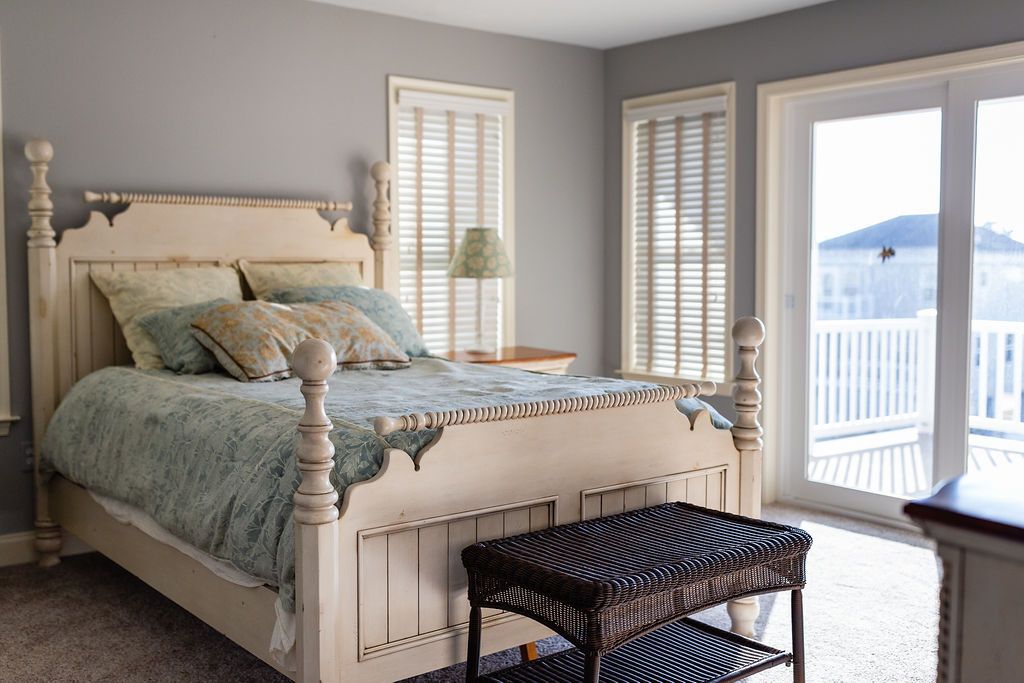
Standing water, wet drywall, baseboards, insulation, carpet, hardwood, cabinets, or subfloor, a ceiling that's leaking or starting to sag, basement flooding, an appliance failure or burst pipe, a sewage backup, water near electrical systems, or a musty smell after any kind of leak are all reasons to call rather than wait.
If it's safe, stop the source of the water yourself — shut off a valve, unplug a failed appliance. Avoid unsafe areas, standing water near electrical hazards, and any water that might be contaminated. When in doubt, call first; a phone assessment costs nothing and is faster than waiting to see whether a wet spot gets worse.
Our Water Mitigation Process
Here's what actually happens once you call, from intake through the final moisture reading.
1. Emergency Call and Job Intake
We start by gathering the basics — the water source, which rooms are affected, the property type, whether water is still active, and any immediate safety concerns. This intake shapes how we dispatch and what equipment we bring on the first trip.
2. Safety Inspection and Moisture Assessment
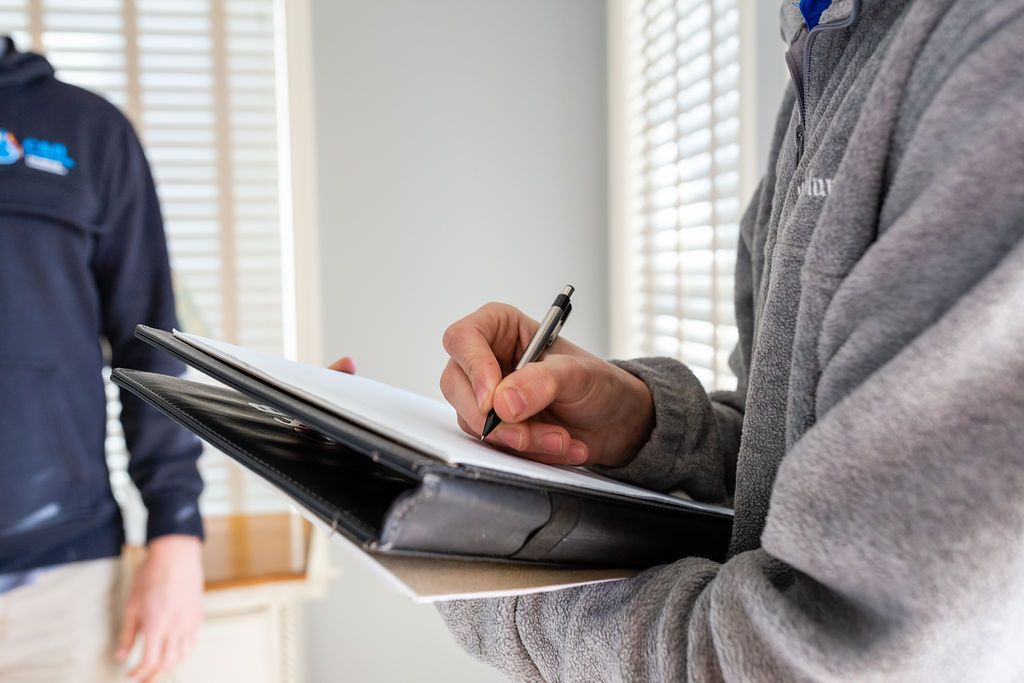
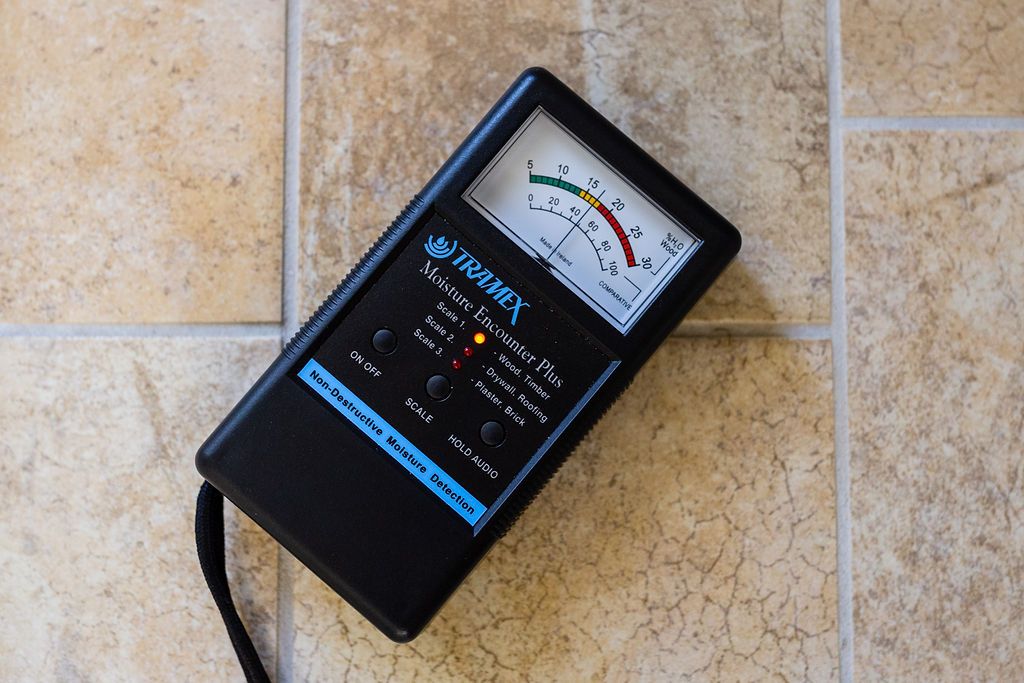
On arrival, we identify visible water, hidden moisture, contamination risk, affected materials, and any urgent hazards. We use moisture meters to check what's wet beyond what's visible — behind baseboards, under flooring, inside cabinets.
3. Source Control and Damage Containment
If the source can be stopped or isolated safely, we do that first. What we don't do is repair the pipe, fixture, or appliance itself — that's a licensed plumber's job, and we're glad to work alongside yours or point you to one. Once the source is under control, we set up containment to help limit how far moisture migrates while the rest of the job gets underway.
4. Water Extraction
Standing water comes out of floors, carpet, and any affected area using truck-mounted and portable extraction equipment. Our water extraction page covers the equipment and process in more depth if you want to see how that step works specifically.
5. Drying Equipment Setup
Air movers, dehumidifiers, containment, and ventilation go in based on what the moisture assessment showed. Equipment runs 24 hours a day for best results. We won't give you an exact drying timeline before we've inspected the property, but most drying projects take 3 to 7 days, though some take longer.
6. Moisture Monitoring and Documentation
We take moisture readings, photos, and drying-log notes throughout the job, adjusting equipment as conditions change. That documentation supports communication with you, your property manager, and your insurance carrier if you're filing a claim.
What Happens After Water Mitigation?
Once moisture is under control, the property usually needs some combination of cleanup, sanitizing, odor control, material replacement, contents cleaning, or reconstruction. Some materials dry in place just fine; others need to come out, depending on contamination and how long they stayed wet. From there, our reconstruction team handles the renovation work, so one company takes the job from the first call to the finished repair. Our contents cleaning and storage and reconstruction services pages cover what those next steps look like.
Water Mitigation for Homes and Commercial Properties
For homeowners, condo owners, and landlords, we work directly with you and with tenants when there are any, keeping everyone informed as the job moves. Basements, kitchens, bathrooms, and laundry rooms are our most common residential calls.
We also mitigate water damage in offices, retail spaces, warehouses, and other commercial buildings throughout Delaware and Maryland. Commercial jobs bring their own priorities — keeping the rest of the building operating, containment around business hours, and documentation your business insurance will ask for. We scope commercial mitigation the same way we scope a home: inspect first, then build the plan.
Insurance Documentation for Water Mitigation
We document affected areas, moisture readings, photos, equipment usage, and material conditions throughout the mitigation process. That documentation helps you communicate with your carrier or adjuster, and our Adjuster Liaison sends it directly to them. We price mitigation work using Xactimate, the estimating software most insurance companies already recognize.
Coverage depends on your policy and the cause of loss, and that determination is made by your insurance carrier, not by us. We work with all insurance companies, and our job is to give you and your carrier what's needed to have that conversation quickly.
Water Mitigation and Mold Risk
Fast drying and moisture control reduce the conditions that support mold growth, which is one of the reasons speed matters so much in mitigation. Hidden moisture can remain behind walls, under floors, inside cabinets, and in crawl spaces well after a room looks dry on the surface.
We can't guarantee mold prevention in every situation — hidden moisture, delayed drying, and contaminated water can all raise the risk regardless of how quickly we respond. If we see visible mold or a strong musty odor once we're on site, that's handled separately by our mold remediation team.
Call C&B for Water Mitigation in Delaware & Maryland
If water is spreading through your property in Delaware or Maryland, call C&B Complete Cleaning & Construction for water mitigation. We'll inspect the damage, remove standing water when needed, set drying equipment, monitor moisture, and document the job so cleanup and restoration can move forward with less uncertainty.
We've worked this region since 1986, we're licensed, bonded, and insured (DE 2007223623, MHIC 132085), and an IICRC-certified technician is on every crew we send. Call (302) 381-9891 any time, day or night, or send us a request online and we'll follow up within 15 minutes during business hours.