Wet Drywall Water Damage in Delaware & Maryland
Drywall behaves differently depending on how it got wet and how long it stayed that way. A leak that's caught quickly and dried within a day or two often leaves drywall intact, maybe with some minor staining. Drywall that's been wet for several days, or that's been exposed to contaminated water, usually needs to come out — it loses structural integrity and becomes a mold risk that isn't worth trying to dry around.
C&B Complete Cleaning & Construction evaluates wet drywall across Delaware and Maryland after leaks, overflows, flooding, and hidden moisture, and makes that call based on moisture readings rather than guesswork. We measure how far water has traveled, dry what can reasonably be saved, and open or remove wall sections where drying in place isn't realistic.
If drywall in your home or business is wet, call (302) 381-9891. Inspections are free, and we'll assess it.
When wet drywall needs immediate attention
Drywall that's actively wet — from a fresh leak, an overflow, or standing water reaching a wall — needs attention within the first 24 to 48 hours to have a real chance of drying successfully. Beyond that window, the odds of saving it drop, and mold risk climbs. Sagging, bulging, or a wall that feels soft when you press on it are signs the drywall has already absorbed more water than it can structurally hold.
Our structural drying process is built for exactly this timeline — the sooner we can get air moving through the affected area and equipment running, the better the chances of drying drywall in place rather than removing it.
Drying drywall and wall cavities
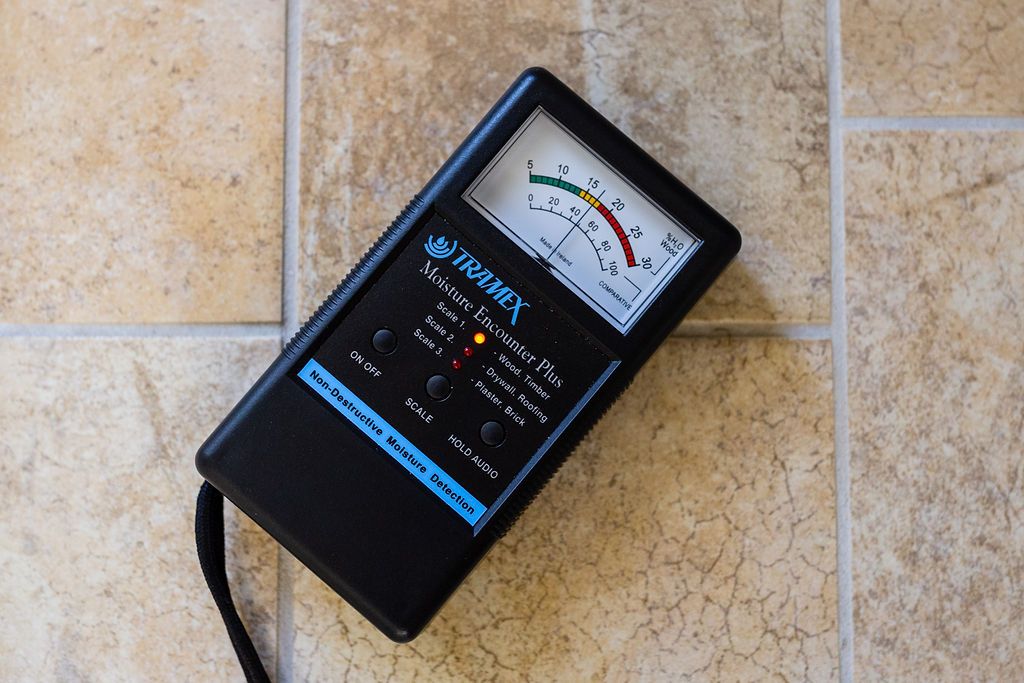
When drywall can be dried in place, we use a combination of air movers, dehumidifiers, and sometimes small access holes near the baseboard to get airflow moving through the wall cavity itself, since the water damage is often trapped behind the drywall rather than just on its surface. We track moisture with meters throughout the process, checking both the drywall and the framing behind it, since studs and insulation can hold moisture even after the drywall face feels dry.
Our moisture mapping process documents exactly where water has traveled through a wall before we decide on a drying approach, which keeps us from either giving up on drywall that could be saved or leaving contaminated material in place too long.
When drywall should be removed
Some drywall needs to come out rather than dry in place. That's usually the case when it's been wet for more than a couple of days, when the water involved was contaminated — a sewage backup or water that sat stagnant — or when the drywall is already visibly sagging, crumbling, or showing mold growth. Removing affected sections, usually up to a foot or two above the waterline, lets us dry the framing and insulation behind it properly instead of trapping moisture inside a wall.
If a leak has been going on long enough that it's hard to tell how far the damage extends, our hidden water leak damage page covers how we assess that kind of situation specifically.
Mold, insulation, baseboards, and paint concerns
Wet drywall rarely affects only the drywall. Insulation behind it can hold water long after the drywall face looks dry, and it usually needs to be replaced rather than dried, since wet insulation loses most of its effectiveness anyway. Baseboards swell and separate from the wall when they've absorbed water, and paint or wallpaper often bubbles or peels as moisture pushes through from behind.
Mold can start growing on wet drywall paper within 24 to 48 hours in the right conditions, which is part of why timing matters so much. If mold has already developed, our mold remediation team handles that growth as a separate, specialized process from the drying and removal work.
Paint and wallpaper problems are often the first visible clue that something is wrong behind the surface, even before drywall itself looks damaged. Bubbling, peeling, or a slightly soft texture under fresh-looking paint usually means moisture has already worked its way through from the framing side, and it's worth checking with a moisture meter rather than just repainting over it.
Repair and reconstruction planning
Once affected drywall is either dried and verified or removed and the space behind it is fully dry, repair can begin — patching, replacing drywall sections, re-insulating, and repainting. C&B offers full-service reconstruction for this stage, so one company takes the job from the first call to the finished rebuild.
We'll walk you through what was removed and why, and provide the documentation your contractor or insurance carrier needs to plan the repair accurately.
Call C&B for Wet Drywall in Delaware & Maryland
If drywall anywhere in your Delaware or Maryland property is wet from a leak, overflow, or flooding, call C&B Complete Cleaning & Construction. We'll assess whether it can be dried in place, dry what can be saved, and remove and document what can't.
We've served this region since 1986, we're licensed, bonded, and insured (DE 2007223623, MHIC 132085), and an IICRC-certified technician is on every crew we send. Call (302) 381-9891 any time, day or night, or send us a request online and we'll follow up within 15 minutes during business hours.