Mold After Water Damage, Leaks, or Flooding in Delaware & Maryland
Mold doesn't show up out of nowhere. It shows up because something got wet and stayed wet — a leak behind a wall, a flooded basement, a roof that let water in during a storm. If you've had water damage recently and you're now seeing spots, smelling a musty odor, or just worried about what happened behind the walls, C&B Complete Cleaning & Construction handles both sides of that problem across Delaware and Maryland: the water and the mold it left behind.
We answer the phone 24/7, and a First Responder is on site within 90 minutes of your call. Every crew includes an IICRC-certified technician. If materials from a recent leak or flood are still wet, that's a drying call first — call (302) 381-9891 and we'll get someone looking at it.
How Water Damage Leads to Mold
Mold needs moisture and time. Materials that dry out within a day or two rarely develop a problem; materials that stay damp longer than that often do. Drywall, insulation, carpet padding, and subfloor are especially vulnerable because they hold moisture and don't dry as fast as they look like they should from the surface. Crawl spaces and basements are common trouble spots simply because they're harder to dry thoroughly and tend to stay humid even after the visible water is gone. Incomplete drying — pulling standing water but not running equipment long enough to dry the structure underneath — is one of the most common reasons mold shows up weeks after a water event that seemed handled.
Signs Mold May Be Growing After Water Damage
After a leak or flood, watch for:
- A musty odor that wasn't there before, especially in a room that got wet.
- Visible spotting or discoloration on drywall, baseboards, or flooring.
- Soft, bubbling, or bowing drywall.
- Warped or cupped flooring, especially hardwood or laminate.
- Condensation or humidity that hasn't settled down since the event.
- Recurring dampness in a basement or crawl space that was affected.
Any of these after a water event is worth a look, even if the original damage seemed minor. Small leaks that go unnoticed for weeks are actually a common source of mold, since there's no obvious flood to prompt a call.
What to Do If Mold Appears After a Leak or Flood
If you're seeing mold or suspect it after water damage:
- Stop the active moisture source if it's safe to do so — shut off a leaking supply line, for instance.
- Don't disturb the growth. Scrubbing or spraying it before it's assessed can push spores into unaffected areas.
- Take photos of what you're seeing before anything changes, for your own records and for insurance documentation.
- Avoid painting or covering over visible mold — it doesn't solve the problem, and it can make inspection harder later.
- Call us. We'll help you figure out whether this is a drying issue, a mold issue, or both.
Mold Remediation and Structural Drying After Water Damage
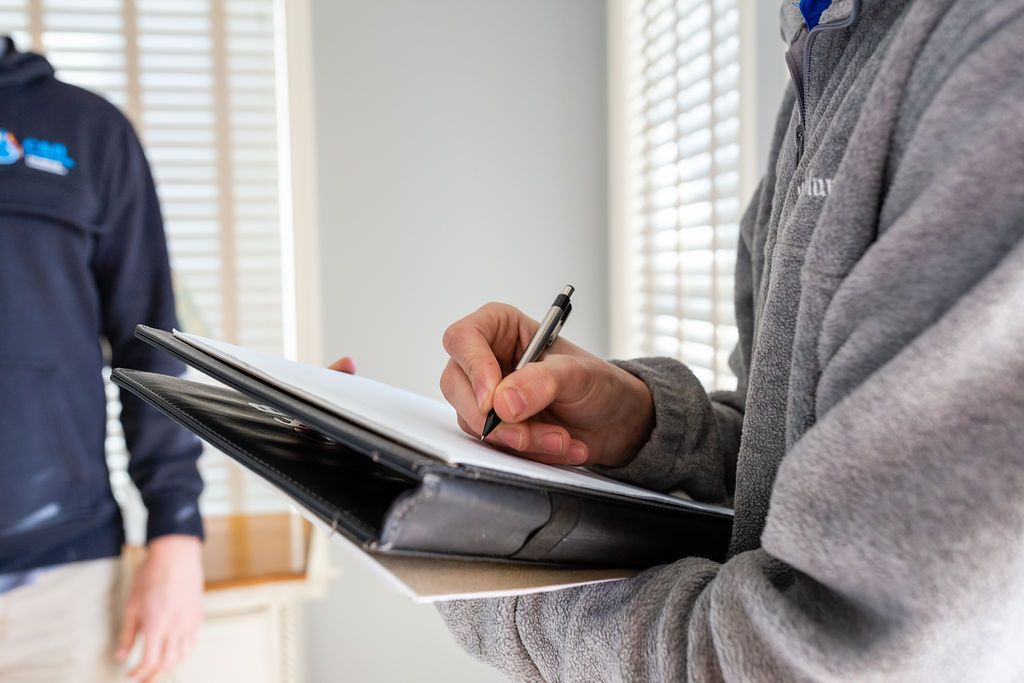
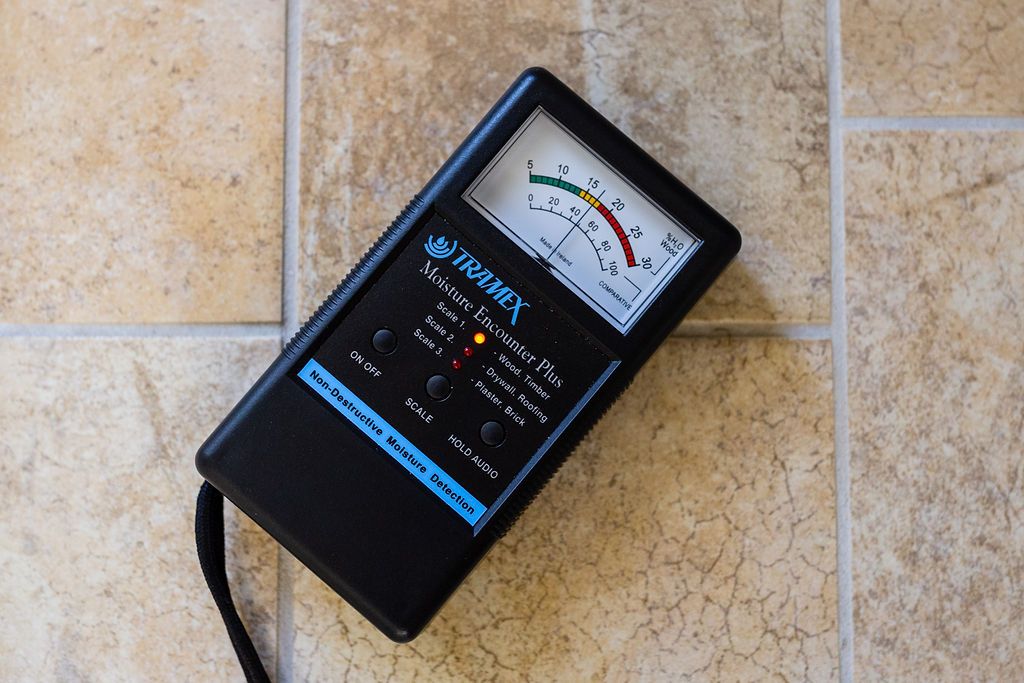
When mold follows water damage, drying and mold work usually happen together, not as two separate projects. Our process typically includes moisture mapping to find where dampness has spread beyond what's visible, removal of porous materials that can't be reliably cleaned or dried, cleaning and treatment of what can be salvaged, dehumidification and structural drying of the space, and verification with moisture readings before we call it finished.
Skipping the drying step and only addressing visible mold is how the same spot comes back a few months later. We treat the two as one job because they are one job.
Get Mold and Water Damage Help in Delaware & Maryland
If you've had a leak or flood and you're now dealing with mold — or you're worried you will be — call C&B Complete Cleaning & Construction. If materials are still wet, we treat it as a water damage call and get drying equipment moving. If mold is already visible, we'll schedule a free inspection and walk you through the remediation plan.
We're licensed, bonded, and insured (DE 2007223623, MHIC 132085), with an IICRC-certified technician on every crew and free inspections. Call (302) 381-9891, or send us a request online and we'll follow up within 15 minutes during business hours.