Professional Mold Removal for Visible Mold Problems in Delaware & Maryland
If you can see mold on walls, ceilings, floors, trim, wood, drywall, or another building material, it should be dealt with before it spreads or comes back. Our mold removal team helps homeowners and businesses across Delaware and Maryland identify the affected area, clean visible mold from surfaces that can be salvaged, remove materials that can't, and connect the cleanup to whatever moisture problem caused it in the first place.
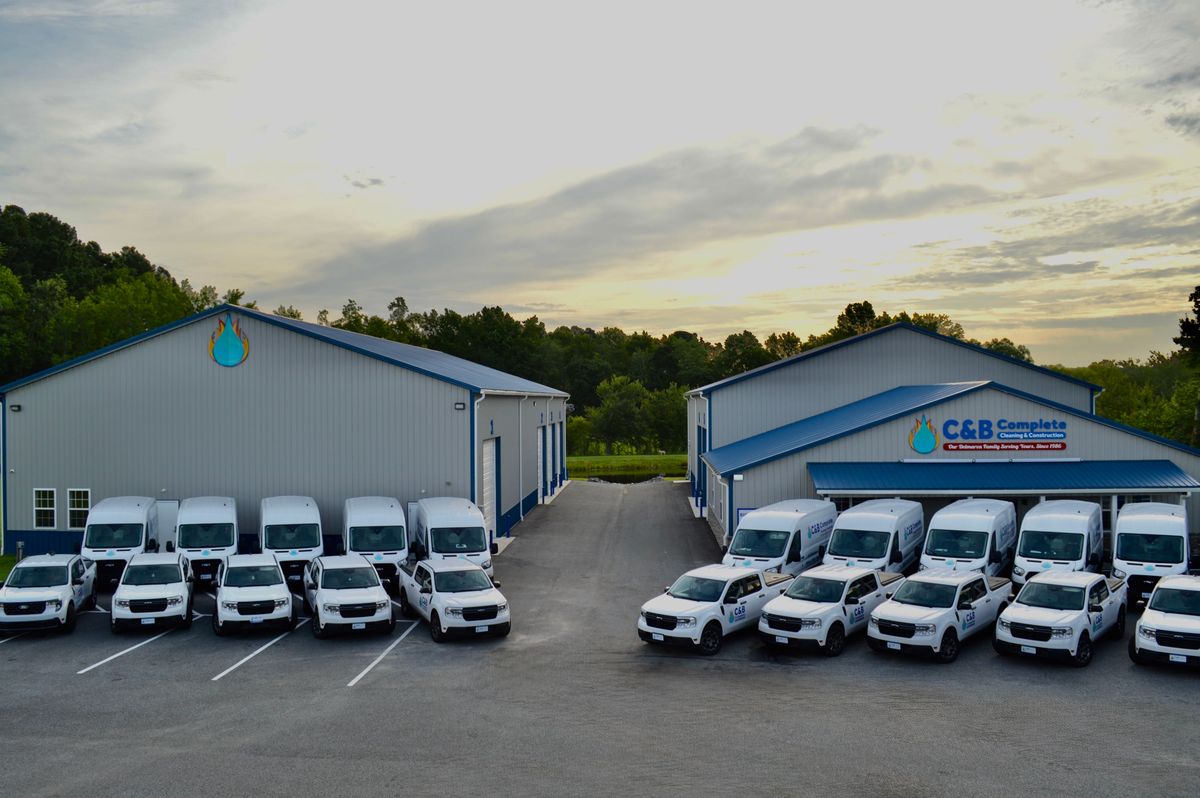
Every crew includes an IICRC-certified technician, and we've worked in this region since 1986. We answer the phone 24/7, and a First Responder is on site within 90 minutes of your call.
Call (302) 381-9891 and we'll get someone out to see what you're dealing with.
What Our Mold Removal Service Covers
Mold removal covers visible growth on hard, semi-porous, and porous materials. Depending on what we find, that can include cleaning salvageable surfaces, removing contaminated drywall, insulation, carpet, or ceiling tile that can't be reliably cleaned, HEPA vacuuming and detail cleaning, and a look at the moisture source so the problem doesn't come right back.
Mold Cleanup for Walls, Ceilings, and Trim
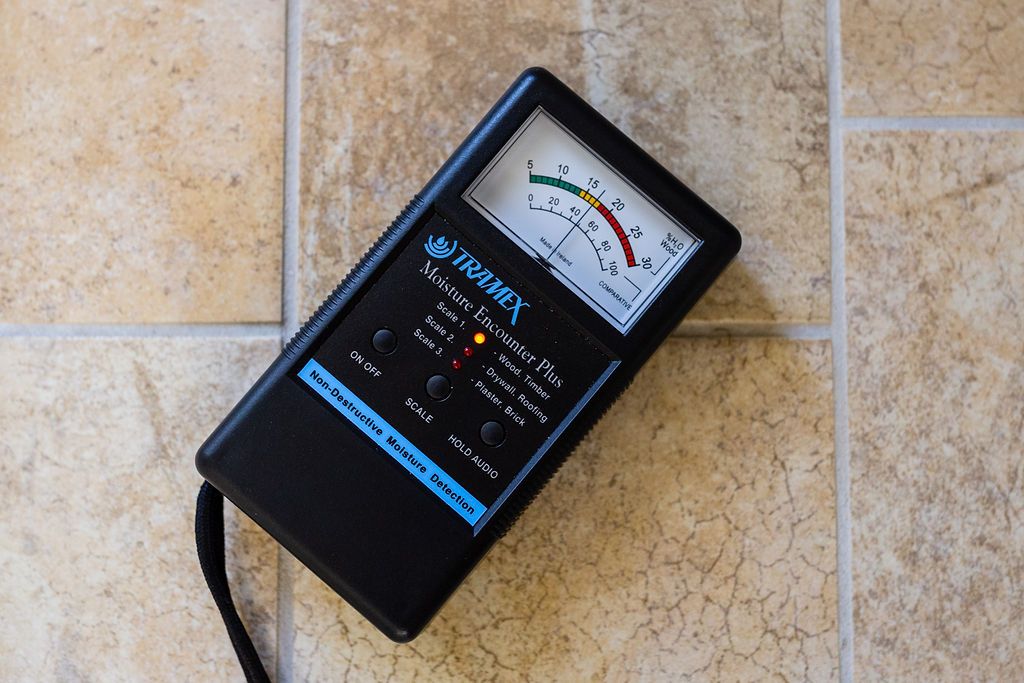
Growth on painted walls, ceilings, and trim usually traces back to a leak, condensation, or humidity that's been sitting too long. We clean what can be cleaned and check behind the surface for moisture before calling the spot handled.
Mold Removal From Wood and Framing
Wood can sometimes be cleaned, dried, and sanded, depending on how deep the mold has gotten and whether the wood is structural. We won't know which approach fits until we've inspected the specific material.
Mold on Drywall, Carpet, and Porous Materials
Porous materials are the trickiest, because mold can grow into the material, not just sit on top of it. Drywall, carpet, and carpet pad usually need to be removed and replaced rather than cleaned.
DIY Mold Removal vs. Professional Mold Removal
Small spots on hard, non-porous surfaces may be manageable for some homeowners with the right protection. What we don't recommend handling yourself: large areas, mold that keeps coming back, mold following a flood or sewage backup, mold inside walls or HVAC components, or mold in a home with sensitive occupants. Don't mix cleaning chemicals — and if mold keeps returning after you've cleaned it, the moisture source behind it hasn't actually been solved.
Mold Removal vs. Mold Remediation
Mold removal focuses on visible mold and the materials it's affected. Mold remediation is the broader process — it also covers containment, source control, drying, and documentation. Many real jobs need both. If that turns out to be the case for yours, our mold remediation page covers what the fuller process involves.
When to Call a Mold Removal Company
Call rather than tackle it yourself when mold covers more than a small, isolated spot, when it returns after you've cleaned it, when it followed a roof leak, plumbing leak, appliance leak, basement or crawl space moisture problem, or storm water, when it's on a porous material, when there's a musty odor with no obvious source, or when anyone in the property has asthma, allergies, chronic lung disease, or another condition that makes indoor air quality more of a concern.
How Professional Mold Removal Works
1. We inspect the visible mold and the surrounding moisture conditions. 2. We protect nearby areas and contents before we start. 3. We remove materials that can't be salvaged. 4. We clean salvageable hard surfaces. 5. We HEPA vacuum and detail clean the affected area where it's called for. 6. We dry the space and flag any moisture correction that's needed. 7. We tell you whether an inspection, fuller remediation, or repairs are the right next step.
Common Places We Remove Mold
Mold shows up in some spots more than others. Here's what's typical in each.
Bathroom Mold
Poor ventilation and constant humidity make bathrooms one of the most common places we see mold, usually around tile grout, caulk, and drywall near the tub or shower.
Basement Mold
Foundation moisture, past flooding, and general humidity are the usual causes in basements. We check for an active moisture source before we clean or remove anything.
Attic Mold
Roof leaks and poor ventilation are the most common causes we find in attics. If that's your situation, our attic mold removal page covers it in more depth.
Crawl Space Mold
Ground moisture and humidity make crawl spaces a frequent trouble spot. Our crawl space mold removal page covers what's different about that environment.
Mold After Water Damage
If your mold problem followed a leak or a flood, our water damage restoration page covers the extraction and drying side of that work.
Black Mold Removal Concerns
Many dark-colored molds look similar, and appearance alone doesn't confirm what you're looking at — that takes lab analysis. Don't disturb suspected black mold on your own, especially if the growth is widespread or keeps returning. Our black mold removal page covers what's different about handling it.
Schedule Mold Removal in Delaware & Maryland
If visible mold is spreading, returning after cleaning, or growing on drywall, wood, carpet, or another building material, call C&B Complete Cleaning & Construction. We'll inspect the affected area, explain what can be cleaned versus what needs to come out, and recommend the safest next step.
We're licensed, bonded, and insured (DE 2007223623, MHIC 132085), with an IICRC-certified technician on every crew. Call (302) 381-9891, or send us a request online and we'll follow up within 15 minutes during business hours.