Fire Damage Restoration Help in Delaware & Maryland
A fire can leave your property with smoke residue, soot, structural damage, water from firefighting efforts, and openings that need to be secured before anyone can safely go back inside. C&B Complete Cleaning & Construction provides fire damage restoration across Delaware and Maryland, helping property owners move from emergency stabilization through cleanup, smoke and soot restoration, odor removal, documentation, and repair planning. We see everything from a contained kitchen or appliance fire to a full structure fire, and the plan we build depends on what actually happened at your property.
Call us once the fire department has cleared your property for entry. We answer the phone 24/7, and a First Responder is on site within 90 minutes of your call. Every crew includes an IICRC-certified technician, and we start with a free inspection so you understand what actually needs attention before any work begins.
If your property was damaged by fire, call (302) 381-9891. Inspections are free, and the sooner we assess the damage, the sooner we can start protecting what's left.
What Fire Damage Restoration Includes
Fire damage restoration covers everything between our first walkthrough and a property that's clean, documented, and ready to rebuild. No two fires cause the same damage, so we build the plan around what we actually find rather than a standard script. Depending on what we find, a typical job includes:
- Emergency stabilization — securing broken windows, doors, and roof openings left by the fire itself so the property isn't exposed to weather or further damage.
- Fire debris and ash cleanup — removing burned materials, ash, and items that can't be salvaged, and protecting the areas that weren't affected.
- Smoke and soot cleaning — treating surfaces, cabinets, and contents affected by smoke residue, using methods matched to the material and the type of residue involved.
- Smoke odor evaluation — identifying odor sources and beginning the deodorization process once residue is addressed, not just masking the smell.
- Water damage cleanup — extracting and drying any water left behind from firefighting efforts before it causes its own problems.
- Contents support — we can help coordinate what happens to smoke- or soot-affected belongings, from cleaning to disposal decisions.
- Documentation — photos, notes, and an itemized scope you can use when you talk to your insurance carrier.
- Repair and reconstruction coordination — once the property is clean and dry, we can walk you through what repairs are needed and complete them, so one company handles the job from start to finish.
Emergency Board-Up and Roof Tarping After a Fire
Fires can leave broken windows, damaged doors, roof openings from ventilation work during firefighting, and other openings that leave your property exposed. Board-up and emergency roof tarping protect what's left from weather and reduce the risk of further damage while cleanup and repairs are planned.
We provide board-up for fire-damaged homes and roof tarping for any fire-damaged property across Delaware and Maryland. This is temporary protection, not a permanent repair — once your property is stable, we move into cleanup, smoke and soot restoration, and documentation. For more detail on how we secure a fire-damaged property, see our board-up services page.
Fire Damage Cleanup and Debris Removal
Once your property is stabilized, cleanup begins — removing fire debris, ash, and soot-covered materials that can't be saved, and protecting the areas that weren't affected. We don't recommend handling heavy soot cleanup yourself; scrubbing or using the wrong method can spread residue and stain surfaces that a proper method could have saved.
Cleanup is usually the first hands-on step after stabilization, and it sets up everything that follows — smoke and soot restoration, odor treatment, and the drying work tied to any water left behind by firefighting. For the full process, see our fire damage cleanup page.
Smoke Damage Restoration and Soot Cleaning
Smoke travels well beyond the room where a fire started, and soot can settle on walls, ceilings, cabinets, and belongings in rooms that never saw flame. How we clean it depends on the material and the type of residue involved, so we inspect before we treat anything.
Smoke Residue on Walls, Ceilings, and Contents
Dry soot, oily residue from a kitchen fire, and residue from synthetic materials all behave differently, and the wrong cleaning method can smear or set a stain that a proper method would have removed. We inspect the residue before we touch a surface, then clean walls, ceilings, cabinets, and salvageable contents with methods matched to what we're dealing with. For a closer look at smoke-specific restoration, visit our smoke damage restoration page.
HVAC, Airflow, and Cross-Contamination Concerns
Smoke can move through a building's airflow and settle in rooms away from the fire itself. If your HVAC system was running during or after the fire, we can evaluate whether it needs professional attention before you turn it back on — running a contaminated system can spread residue and odor into rooms that were otherwise untouched.
Smoke Odor Removal After a Fire
Smoke odor doesn't go away on its own, and air fresheners only mask it temporarily. Real odor removal starts with finding and removing the source — the residue and materials actually holding the smell — before any deodorization treatment happens. Odor can settle into porous materials, textiles, cabinets, and insulation long after visible soot is gone, which is why a quick surface wipe-down rarely solves it on its own.
If lingering smoke smell is the main concern after your fire, our smoke odor removal page walks through how we identify sources and treat them.
Water Damage From Firefighting
Putting out a fire often means water — sometimes a lot of it — soaking floors, walls, ceilings, insulation, and contents throughout the affected area and the rooms below it. That water has to be extracted and the structure dried the same way we'd handle any other water damage job, because left alone it can cause its own problems well after the fire is out.
Water from firefighting can also be contaminated depending on what burned and how it traveled through the structure, which affects how we handle cleanup and disposal. Equipment runs 24 hours a day once drying starts, and most drying projects take 3 to 7 days, though some take longer depending on how much water is involved. For more on how we handle water damage, see our water damage restoration page.
Fire Restoration Process: From Inspection to Repairs
Here's what actually happens once your property is safe to enter, from the first walkthrough to the final repair plan.
Your Project Manager and the First Visit
After you report the fire, your First Responder contacts you and is on site within 90 minutes to assess the damage. You don't need to speak with your insurance company before that first inspection, and if a claim is necessary, your project manager will help you call and file it.
Damage Assessment and Safety Review
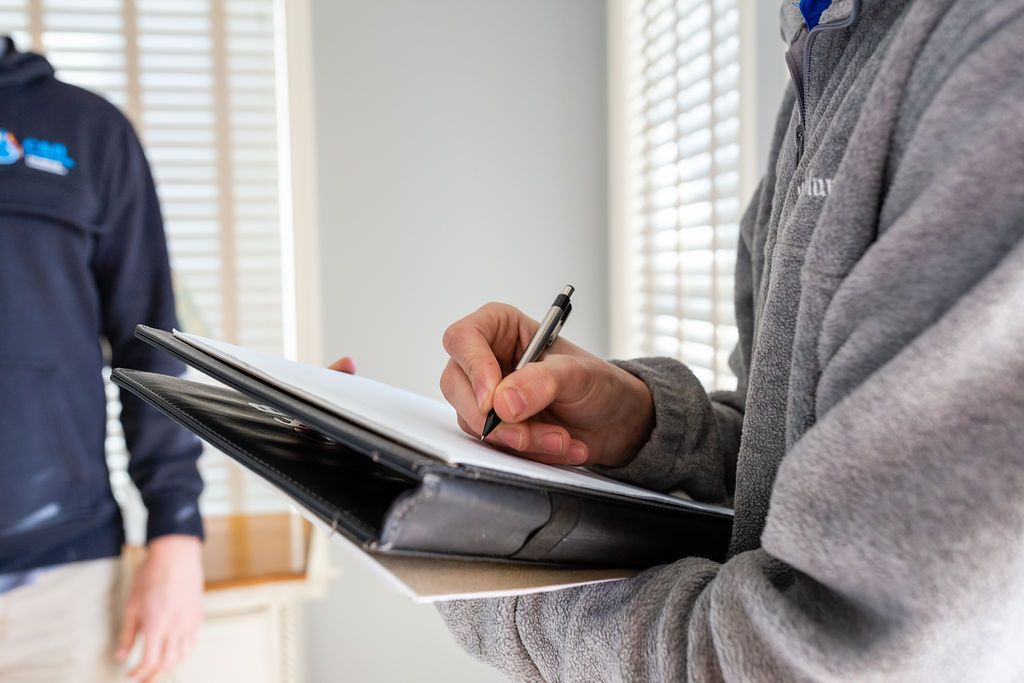
We start once the property is safe to enter — after fire department clearance — with a full walkthrough to document visible damage, smoke migration, water from firefighting, structural concerns, and affected contents. That assessment becomes the basis for the whole plan, including what needs to happen first.
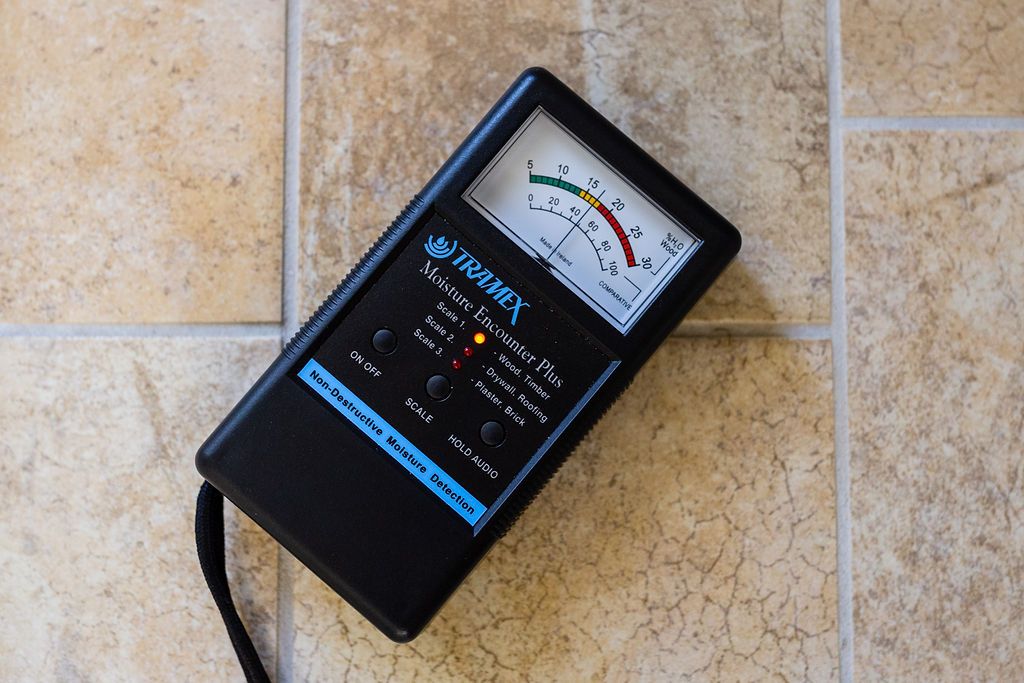
We document the structure and every affected belonging with detailed photos, notes and moisture readings in our project management software, and we inventory the contents item by item, big or small — the things with sentimental value included.
Pack-Out and Contents Cleaning
Next, we move your belongings out of the affected areas and build a salvageable and non-salvageable list with you. Nothing is thrown away without your sign-off. What can be saved is packed out and taken to our facility for professional cleaning and sanitizing. While that happens, our water mitigation team extracts the water left from firefighting and dries the structure.
Stabilization and Cleanup
If windows, doors, or roof openings need to be secured, board-up or roof tarping happens first. From there we remove debris, extract any standing water, and begin cleaning based on what the assessment found — working from the areas holding the most damage outward.
Smoke, Soot, and Odor Treatment
Surface cleaning, source-based odor treatment, and decisions about what contents can be saved happen once cleanup and drying are underway. We'll walk you through what can be cleaned and kept versus what needs to be removed, and why, before anything leaves the property.
Our certified fire and odor control technicians handle the cleaning and demolition of the smoke-affected structure, with odor control equipment running throughout.
Repair and Reconstruction Planning
Once the property is clean, dry, and documented, we can walk you through what repairs are needed and complete them ourselves, so one company handles the job from start to finish. Our reconstruction services page covers what that process looks like.
A final walkthrough with your project manager takes place on the last day of structural cleaning and demolition. When the rebuild is finished, our Contents team packs everything back into your home, putting each item where we found it or wherever you direct.
Residential and Commercial Fire Damage Restoration in Delaware & Maryland
Fire damage restoration works the same way whether it's a house or a business, though the details shift depending on what's at stake and who we're coordinating with.
Homes, Apartments, Condos, and Rental Properties
For homeowners, condo owners, and landlords, we work directly with you — and with tenants, when there are any — to secure the property, start cleanup, and keep everyone informed as the job moves. If you're managing multiple units, we coordinate scheduling and communication so you're not chasing updates between tenants, ownership, and your insurance carrier. A fire in one unit of a multi-family building can also affect neighboring units through smoke, water, or shared walls, which is something we check for during the initial assessment.
Commercial Buildings and Businesses
We also restore fire damage inside offices, retail spaces, restaurants, and other commercial interiors throughout Delaware and Maryland. Commercial jobs come with their own priorities: documentation your business insurance will ask for, containment so unaffected parts of the building can keep operating, and scheduling that works around your business hours instead of ours. We scope commercial fire damage the same way we scope a home — inspect first, then build the plan around what we actually find.
Insurance Documentation for Fire Damage Restoration
We document every fire damage job as we work — photos, an itemized scope of affected areas, and notes on smoke, soot, and water damage. That documentation is what most of our clients use when they're talking to their insurance carrier about the loss, and it's also what keeps the job itself organized as it moves along.
Our Client Care Coordinator is your single point of contact for scheduling, status updates, and questions, so you're not tracking down a different person every time you call. Our Adjuster Liaison prepares that documentation and sends it directly to your carrier, and we price the work using Xactimate, the estimating software most insurance companies already use and recognize.
What we can't do is tell you what your policy covers. Coverage is determined by your insurance carrier, based on your policy and the cause of loss. We work with all insurance companies, and our job is to give you and your carrier everything needed to have that conversation quickly.
Call C&B for Fire Damage Restoration in Delaware & Maryland
If your property has fire, smoke, soot, or water damage from firefighting, call C&B Complete Cleaning & Construction for fire damage restoration in Delaware & Maryland. We'll inspect the damage, secure openings if needed, begin cleanup, document everything, and walk you through next steps for smoke restoration, odor removal, and repairs — and our full-service reconstruction takes the job from the first call to the finished rebuild.
We've served this coastline since 1986, we're licensed, bonded, and insured (DE 2007223623, MHIC 132085), and an IICRC-certified technician is on every crew we send. Call (302) 381-9891 any time, day or night, or send us a request online and we'll follow up within 15 minutes during business hours.