Main Water Line Break Cleanup in Delaware & Maryland
A main water line break sends far more volume into a home than a fixture or appliance leak — the line runs at full water pressure until it's shut off, and a basement, crawl space, or slab area can flood fast. We provide the water damage cleanup and restoration across Delaware & Maryland once a main line break has sent water into a structure: extraction, drying, and documentation, coordinated with whoever repairs the line itself.
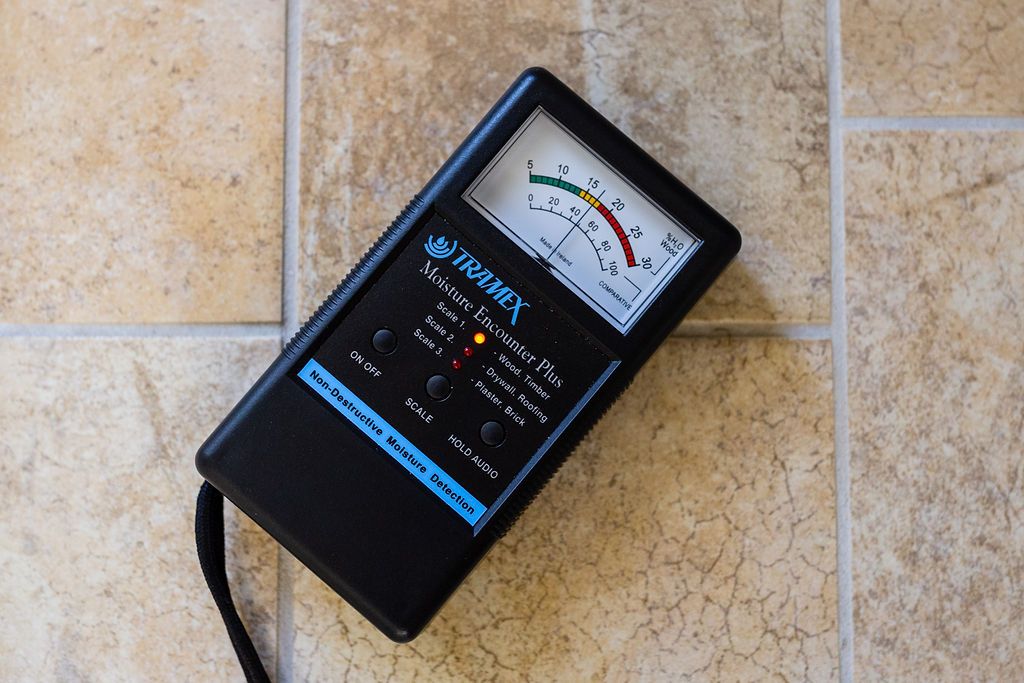
Our crews extract standing water, check the extent of moisture with meters and, where needed, thermal imaging, and set drying equipment before damage spreads further into framing or flooring. An IICRC-certified technician is on every crew, and a free inspection tells you the real extent of the damage before work begins.
If a main water line break has flooded your basement, crawl space, or lower level right now, call (302) 381-9891. Our line answers 24/7 for restoration emergencies.
Signs a Main Line Break Has Affected the Building
A main line break isn't always obvious from inside the house right away. Watch for water pooling in a basement or at a low point in the yard, an unexplained drop in water pressure throughout the house, the sound of running water when no fixtures are on, and a spike in your water bill or meter usage. Outside, a soft or soggy patch of ground, or water surfacing near the meter or service line, is often the first visible sign.
If you notice any of these, shut off water at the main valve if you can reach it safely and call us — we'll help you sort out whether water has reached the structure and needs restoration attention.
Water Removal from Basements, Crawl Spaces, and Lower Levels
Once water from a main line break has reached a basement, crawl space, or other lower level, we extract it with pumps and extraction equipment sized for high-volume flooding. Standing water is the first priority, since it continues to soak into framing, flooring, and stored belongings the longer it sits, and a main line break can put down far more water in a short time than a typical fixture leak.
Basements and crawl spaces hold water differently than an open room — a finished basement can lose flooring, drywall, and stored contents in the space of an hour, while an unfinished basement or crawl space tends to concentrate water around the foundation, sump area, and utility connections. We assess which pattern applies before extraction so we're not missing pockets of standing water in a low corner or behind mechanical equipment.
After extraction, we check how far moisture has spread into walls, subfloor, and any framing that was submerged, using moisture meters to map the full extent before drying equipment goes in. If your basement is finished, we also check behind baseboards and inside any built-in cabinetry, since a main line break can push water into those spaces well before it's visible on the surface.
Moisture Mapping and Structural Drying
With standing water removed, we set drying equipment across the affected area and track moisture levels throughout the structure — walls, framing, subfloor, and any insulation that was submerged. Most drying projects take 3 to 7 days, though a main line break that flooded a larger area can take longer given the volume involved. Equipment runs 24 hours a day, and we take moisture readings throughout so we know when the structure is genuinely dry rather than just dry on the surface.
Where insulation, drywall, or flooring has soaked too long or shows contamination, we remove only what needs to come out.
Coordination with Plumbers, Utilities, or Excavation Contractors
Fixing the break itself — repairing or replacing the water line, and any excavation that requires — is handled by a licensed plumber, the local utility, or an excavation contractor, not by our crew. We stay in our lane: locating and restoring the water damage inside and around the structure, and coordinating our schedule with whoever handles the repair so drying isn't held up and rework isn't needed once the line is fixed.
If the break's exact location isn't clear, our leak detection service can help locate it before excavation starts, using the same moisture and acoustic equipment we use for hidden leaks.
Documentation and Repair Planning
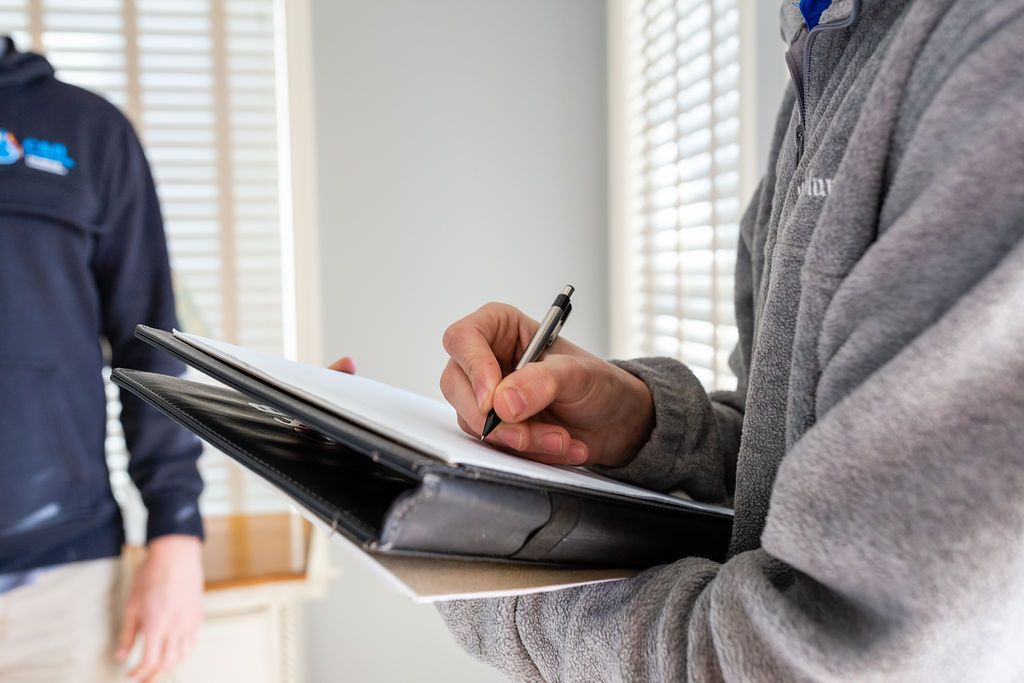
Everything we do is documented with photos, moisture readings, and a written scope of the water damage — separate from whatever the plumber or utility invoices for the line repair itself. Keeping those two records distinct matters for a claim, since a policy may treat the cost of fixing the line differently from the cost of drying and restoring what the water damaged inside your home. We price restoration work with Xactimate, and your Adjuster Liaison keeps your insurance carrier updated with what our documentation shows as the job moves forward, while your Client Care Coordinator stays your single point of contact for the restoration side of the job.
Where flooring, drywall, or framing need to be rebuilt after drying, we offer full-service reconstruction, so one company takes the job from the first call to the finished rebuild.
Call C&B After a Main Water Line Break in Delaware & Maryland
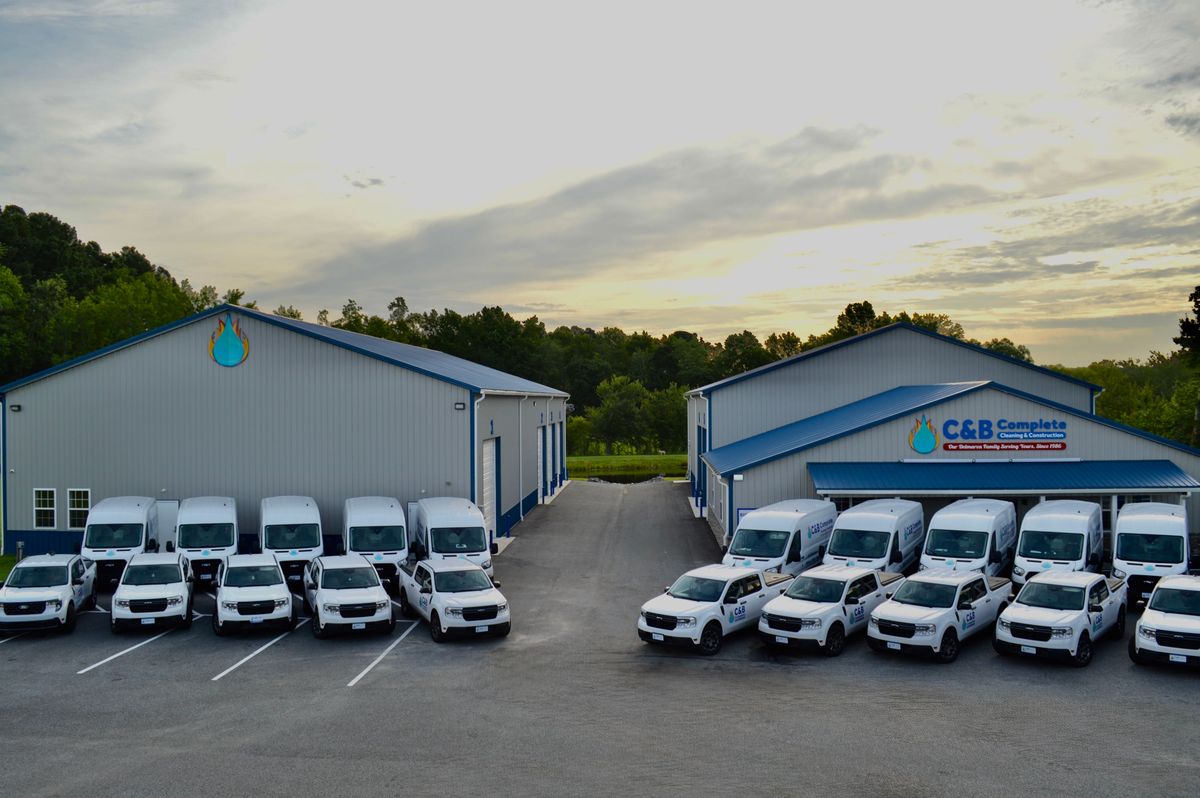
We've served Delaware and Maryland's Eastern Shore since 1986, and main line breaks are a call our crews are equipped to handle at any hour, given how much volume they can send into a structure. Whether the line has already been shut off or water is still active, call us and we'll walk through what we see and what happens next.
Call (302) 381-9891 — we answer 24/7 for restoration emergencies. For a non-urgent inspection or a question about damage you've noticed, send us a request and we'll follow up within 15 minutes during business hours.