
Slab Leak Detection In Delaware & Maryland For Hidden Water Damage Risks
A slab leak happens when a water line running underneath a concrete foundation develops a leak, and because the pipe is buried under the slab, the water usually shows up as damage somewhere else first — a warm spot on the floor, a spike in your water bill, or moisture creeping up through flooring — before anyone can see the leak itself. C&B Complete Cleaning & Construction provides slab leak detection across Delaware and Maryland: we locate the leak, then handle the water damage it's caused.
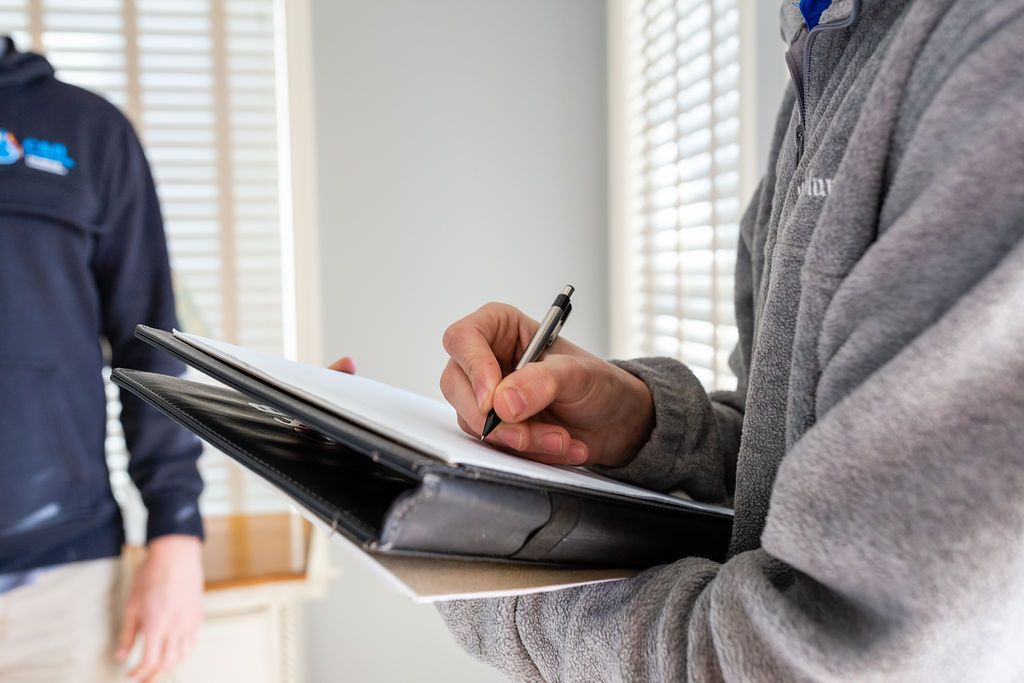
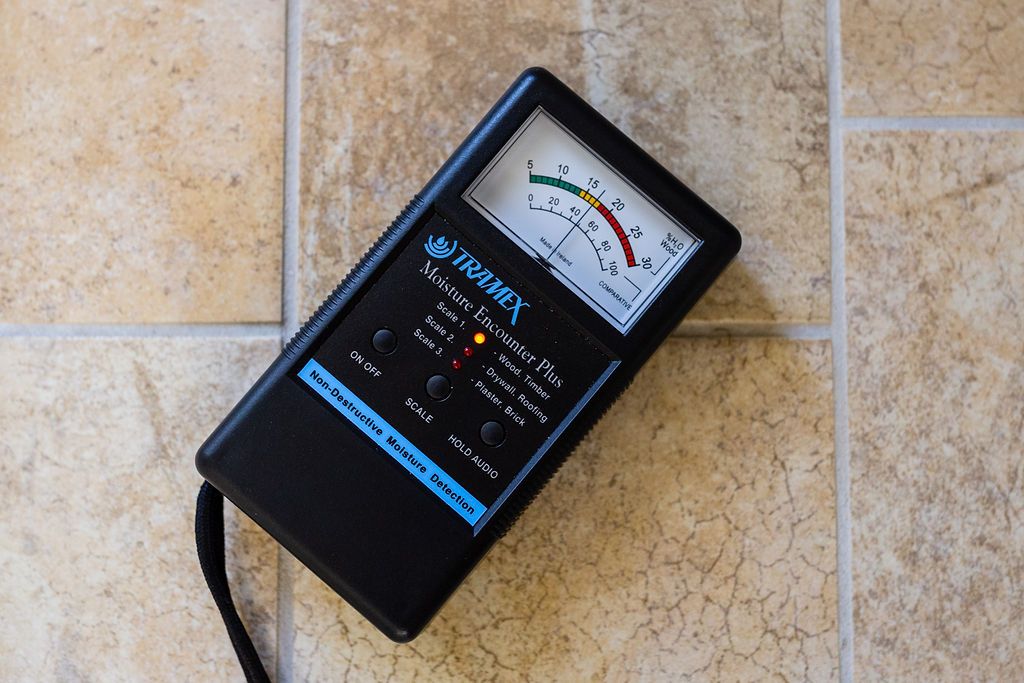
We use moisture meters, thermal imaging, acoustic listening equipment, and pressure testing to find where a slab leak is escaping and how far the water has already traveled through your flooring and walls. Once the leak is located, we extract standing water, dry the affected area, and document everything for your insurance carrier. Repairing the leak itself — rerouting the line or accessing the pipe through the slab — is a licensed plumber's job.
If you suspect a slab leak, call (302) 381-9891. We'll locate the source, assess what's affected, and help you understand what happens next, including coordinating with a licensed plumber for the repair.
Signs of a possible slab leak
A few signs tend to point toward a slab leak specifically, rather than a leak somewhere else in the plumbing system. A section of flooring that feels unusually warm, especially over a hot water line, is one of the more distinctive signs. A noticeable, unexplained jump in your water bill without any change in usage is another. You might also notice the sound of running water when every fixture in the house is off, a damp or musty smell near the floor with no obvious source, cracks appearing in flooring or walls near the foundation, or standing water pooling outside the foundation for no clear reason.
None of these signs confirm a slab leak on their own — they're reasons to have the situation looked at. If you're seeing one or more, call us for slab leak detection before the water spreads further. If a leak has already reached your flooring or walls, our slab leak water damage page covers that restoration process in more depth.
How slab leaks are located
Finding the exact point of a slab leak takes equipment built for the job. We use electronic listening devices that pick up the sound of water escaping under pressure, thermal imaging cameras that spot temperature differences in flooring caused by a leak, and pressure testing to isolate which line is affected. Moisture meters tell us how far water has already traveled through your flooring, walls, and baseboards, which helps confirm the leak's likely location even before we isolate the exact point.
This combination lets us locate most slab leaks without tearing into the foundation to look. Our moisture mapping page covers the inspection process we use to track water spread in more depth — often the first step before we narrow down exactly where the leak is.
Flooring, wall, and foundation moisture concerns
Once water starts coming up through a slab, it can affect flooring, baseboards, drywall, and cabinetry before it's obvious anywhere else in the room. Tile and vinyl flooring can loosen or bubble as moisture works underneath, and drywall near the floor can wick moisture upward and show staining well above where you'd expect water damage to start.
We map all of this with moisture meters rather than assuming the damage stops where it's visible, since slab moisture tends to spread laterally under flooring before it ever reaches the surface. A free inspection is where that process starts, and it tells us — and you — exactly what's affected before any repair or drying decisions get made.
Restoration after a slab leak
Once a slab leak is located and stopped, our part of the job begins: extracting any standing water, drying affected flooring and walls, and removing materials that can't be dried in place because of how long they've been wet or how they're constructed. Equipment runs 24 hours a day for best results, and we track moisture readings throughout rather than guessing when an area is actually dry.
Most drying projects take 3 to 7 days, though slab-related moisture can take longer, since it's often been building gradually and drying a concrete slab is a slower process than drying a wood-framed floor. Hardwood flooring affected by slab moisture needs particular care — our hardwood floor water damage page covers how we handle that material specifically. We document the whole job with photos and moisture readings for your insurance carrier.
When plumbing or foundation repair is required
Once we've located a slab leak, repairing it is plumbing work, and it typically involves one of a few approaches: rerouting the water line above the slab instead of repairing the section underneath, tunneling under the slab to access the pipe directly, or in some cases repairing through a small section of the slab itself. Which approach makes sense depends on the plumbing layout and the extent of the damage, and that decision belongs to your plumber, not to us.
We don't perform plumbing or foundation repair ourselves — our role is locating the leak and restoring the water damage it caused. If you don't already have a plumber for this kind of work, we're glad to point you in the right direction, and we're happy to coordinate timing so our detection and drying work doesn't get in the way of their repair. Our water leak detection page has more on how we approach leaks generally, beyond slab-specific ones.
Call C&B for slab leak help in Delaware & Maryland
If you suspect a slab leak, or one has already caused water damage to your flooring, walls, or foundation area, call C&B Complete Cleaning & Construction across Delaware & Maryland. We'll locate the leak, inspect what's affected, extract any standing water, dry the area, and document everything, while you work with a plumber on the repair itself. Our slab leak water damage page covers that restoration process in more detail if your slab leak has already progressed into a full water damage situation.
We've served this region since 1986, we're licensed, bonded, and insured (DE 2007223623, MHIC 132085), and an IICRC-certified technician is on every crew we send. We answer 24/7 — call (302) 381-9891 any time, day or night, or send us a request online and we'll follow up within 15 minutes during business hours.