
Finding and Drying Hidden Water Leak Damage in Delaware & Maryland
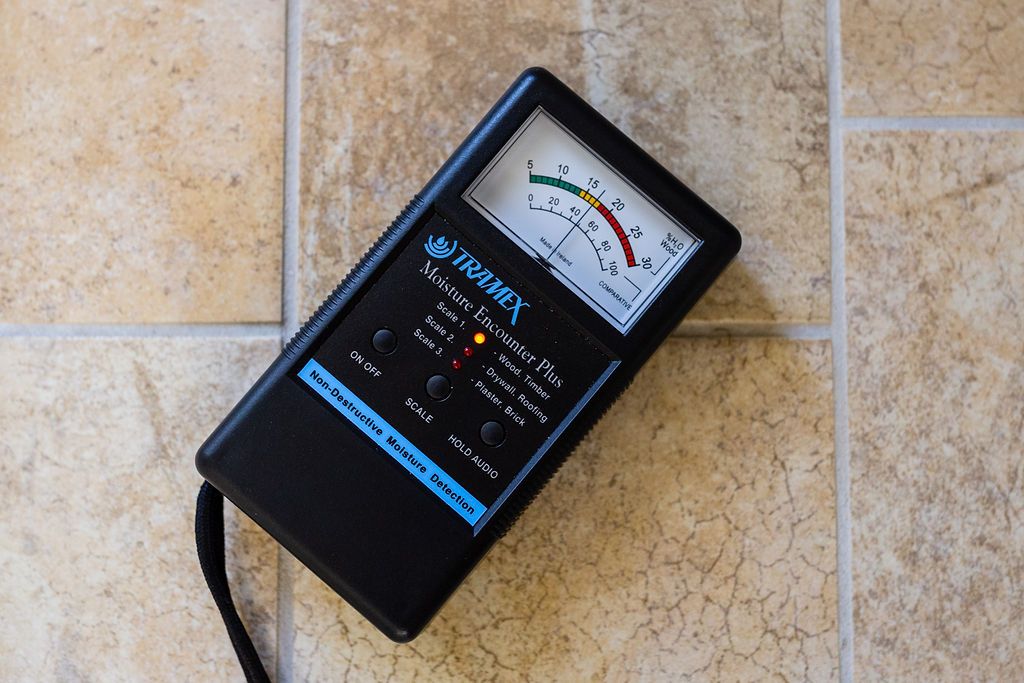
Not every leak announces itself with a puddle. A slow leak inside a wall, above a ceiling, under flooring, or behind a cabinet can run for weeks before it shows up as a stain, a soft spot, or a musty smell. We locate hidden water leak damage and restore it across Delaware & Maryland, using moisture meters, thermal imaging, and acoustic equipment to find where water is moving before we open anything up.
Locating a hidden leak and drying the resulting damage is a service we perform ourselves, in-house — it's one of the most requested inspections we run. An IICRC-certified technician handles every job, and a free inspection tells you where the water is and how far it's traveled before any work begins.
If you suspect a hidden leak — a stain, a soft spot, a musty smell, or an unexplained rise in your water bill — call (302) 381-9891. Our line answers 24/7 for restoration emergencies.
Signs of Hidden Water Damage
Hidden water damage rarely announces itself with standing water. A discolored patch on a ceiling or wall, paint or wallpaper that's bubbling or peeling, a musty smell that doesn't go away with cleaning, flooring that feels soft or springy in one spot, or a water bill that's climbed without an obvious reason are all signs worth taking seriously.
None of these signs tell you exactly where the water is coming from or how far it's traveled — that's what an inspection is for. We check the areas around any sign you've noticed with moisture meters, and where the source still isn't clear, we bring in thermal imaging and acoustic leak-detection equipment to narrow it down without opening up more of your home than necessary.
Walls, Cabinets, Baseboards, Floors, and Ceilings
Hidden leaks show up behind almost every surface in a home. Water inside a wall cavity can travel down and pool at the baseboard, well below where the leak actually started. A leak above a ceiling shows up as a stain that may be several feet from its source. Under flooring, water can spread along the subfloor and into cabinet toe-kicks before it reaches a spot you'd notice by walking through the room.
Because hidden water rarely stays where it started, we check the full area around a suspected leak, not just the visible sign. That's the difference between drying one room properly and missing damage that keeps causing problems after the visible part looks fine.
Moisture Mapping and Thermal Inspection
Once we're on site, we map moisture levels across the walls, ceiling, and flooring near the suspected leak using moisture meters, then use thermal imaging to spot temperature differences that point to water behind a surface we can't see directly. For leaks we still can't pinpoint from those readings, we use acoustic equipment that listens for the sound of water moving through pipes or a slab.
This is water leak detection — locating exactly where a hidden leak is coming from — and it's a service we perform ourselves rather than refer out. Once we've found and confirmed the source, we document it and move into the drying and restoration process.
Drying Hidden Moisture and Removing Damaged Materials
With the leak located and the extent of the moisture mapped, we set drying equipment for the affected walls, flooring, or ceiling. Most drying projects take 3 to 7 days, though hidden moisture inside a wall or ceiling cavity can take longer since airflow is more limited than in an open room. Equipment runs 24 hours a day, and we take moisture readings throughout so we know when the structure is genuinely dry, not just dry on the surface.
Where drywall, insulation, or flooring has soaked too long or shows contamination, we remove only what needs to come out to reach the wet material behind it. Everything is documented with photos and moisture readings for your insurance file, priced with Xactimate, and your Adjuster Liaison keeps your carrier updated as the job moves.
Mold Risk After Hidden Leaks
A leak that's been hidden inside a wall or under flooring for weeks or months is exactly the kind of moisture that can lead to mold, since it's had time and an enclosed space to develop before anyone noticed. We check for signs of mold growth as part of every hidden leak inspection.
If we find active mold growth, we route it to our mold remediation team rather than fold it into the water damage cleanup. Mold testing over 10 square feet is handled by a third-party hygienist, not performed in-house — we'll tell you plainly if that step applies to your situation.
Call C&B for Hidden Water Leak Damage in Delaware & Maryland
We've served Delaware and Maryland's Eastern Shore since 1986, and locating leaks you can't see is one of the services our crews handle most regularly across the region's older housing stock and coastal, high-water-table properties. If you've noticed a stain, a soft spot, a smell, or a water bill that doesn't add up, call us and we'll bring the equipment to find out what's behind it.
Call (302) 381-9891 — we answer 24/7 for restoration emergencies. For a non-urgent inspection, send us a request and we'll follow up within 15 minutes during business hours.