Moisture Mapping In Delaware & Maryland For Hidden Water Damage
Moisture mapping is how we find out how far water has actually traveled after a leak, flood, or other water event — not just what's visible, but what's wet behind walls, under flooring, and inside cabinets. C&B Complete Cleaning & Construction provides moisture mapping across Delaware and Maryland using moisture meters and, where useful, thermal imaging to document wet materials room by room and track drying progress until everything reads dry.
This is part of the free inspection we start every water damage job with, and it's also something we can do on its own if you just need documentation of where moisture is present — for example, if you're deciding whether to pursue a claim or want a clear picture before committing to repairs.
Call (302) 381-9891 to schedule a moisture inspection. Inspections are free.
What moisture mapping can show
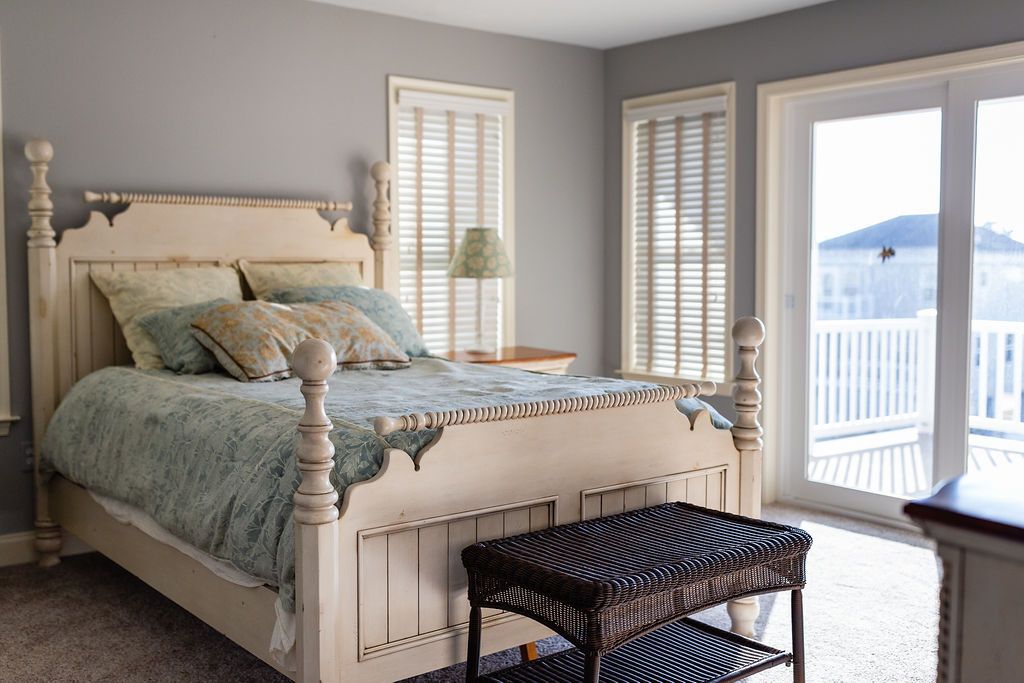
A moisture map tells you which materials are wet, how wet they are, and how far the water has traveled from the point where it's visible. That's different information than a visual inspection alone can give you — carpet can look dry on the surface while the pad underneath is saturated, and drywall can look fine while it's holding moisture a few inches up from the baseboard.
We record moisture readings room by room, noting which materials are within a normal range and which are elevated enough to need drying or further evaluation. That record becomes the starting point for the rest of the job. Our water damage inspection page covers the fuller assessment process moisture mapping is typically part of.
Meters, thermal imaging, and documentation
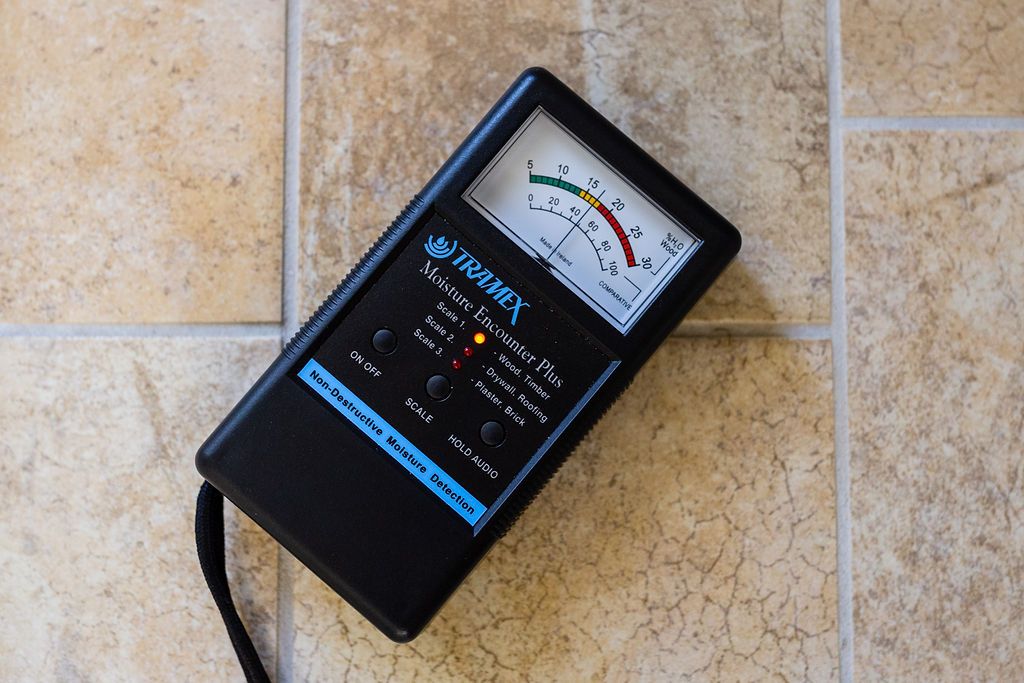
We use penetrating and non-penetrating moisture meters to take direct readings in drywall, flooring, subfloor, and framing, and thermal imaging where it helps us narrow down an area before taking a direct reading. Thermal imaging shows temperature differences that often indicate moisture, but it doesn't measure moisture directly — a meter reading is what confirms it.
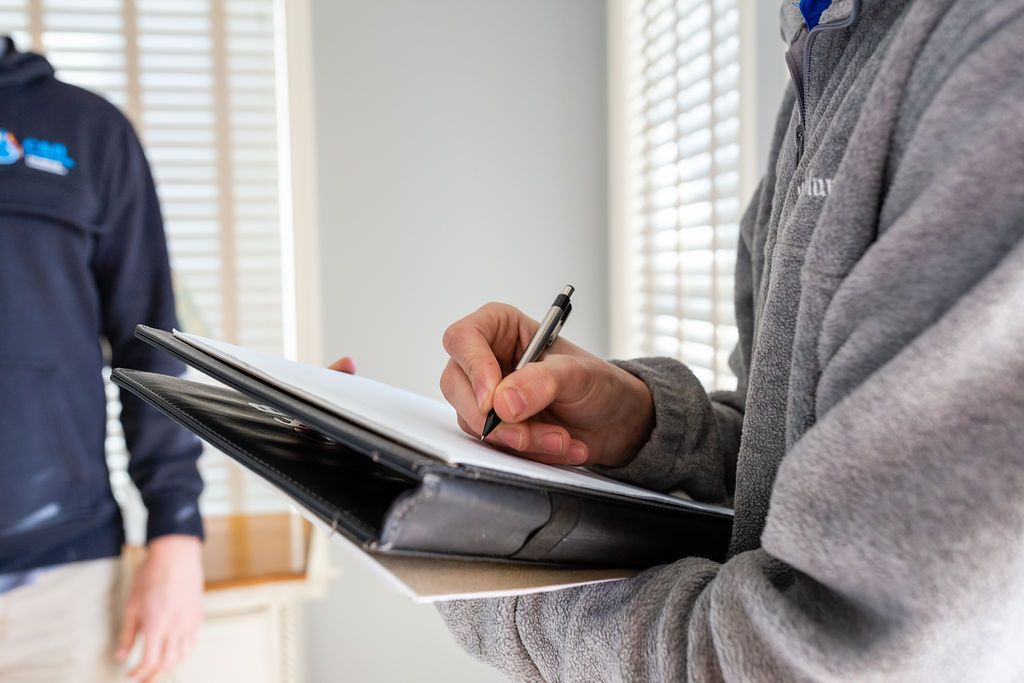
Every reading gets logged with its location and a timestamp, room by room, so the moisture map becomes a document you and, if needed, your insurance carrier can reference. We photograph the affected areas alongside the readings, since a number on its own doesn't always convey what a room actually looks like. Our structural drying page covers what happens with that information once drying equipment is in place.
Using moisture maps during drying
A moisture map isn't a one-time snapshot — we return to the same readings throughout the drying process to track progress and know when a material has actually reached a dry standard, not just when it feels dry to the touch. That's how we avoid pulling equipment too early and how we know when a room is genuinely finished.
Equipment runs 24 hours a day for best results, and most drying projects take 3 to 7 days, though some take longer depending on how much material was affected and how long it stayed wet. Our dehumidification services page covers the equipment side of that process.
Hidden moisture in walls, cabinets, floors, and ceilings
Hidden moisture shows up in predictable places: inside wall cavities near a leak, under cabinets where a supply line runs, beneath flooring where water has wicked sideways from a wet spot, and above ceilings where a leak from a floor or roof above has traveled before showing through. Moisture mapping is how we find these areas systematically instead of guessing based on what's visible.
If you suspect a leak but aren't sure where it's coming from, our water leak detection page covers how we locate it. Moisture mapping and leak detection are related steps we handle together, though they answer different questions — one shows how far water has traveled, the other shows where it's coming from.
Moisture mapping versus leak detection
These two get confused often, so it's worth being clear about the difference. Moisture mapping documents where water has already spread and how much material is affected — a room-by-room record built from moisture meter and thermal imaging readings. Leak detection locates the precise origin point of an active leak, often inside a wall cavity, under a slab, or underground, adding acoustic listening equipment and pressure testing to that same toolkit. Both are ours: mapping tells you how far the damage has traveled, detection tells you where it's coming from.
In practice, both are often useful on the same job: we locate the leak, confirm the source is stopped, and use the moisture map to scope drying and repair accurately. Once the leak itself needs a repair — a new section of pipe, a resealed fitting — that work goes to a licensed plumber, not us.
Call C&B for Moisture Mapping in Delaware & Maryland
If you need a clear picture of how far water has spread through your Delaware or Maryland property, call C&B Complete Cleaning & Construction for moisture mapping. We'll document what's wet, how wet it is, and what that means for drying or repair, using readings instead of guesswork.
We've served this region since 1986, we're licensed, bonded, and insured (DE 2007223623, MHIC 132085), and an IICRC-certified technician is on every crew we send. Call (302) 381-9891 any time, or send us a request online and we'll follow up within 15 minutes during business hours.