Fast Flood Cleanup and Drying for Delaware & Maryland Homes and Businesses
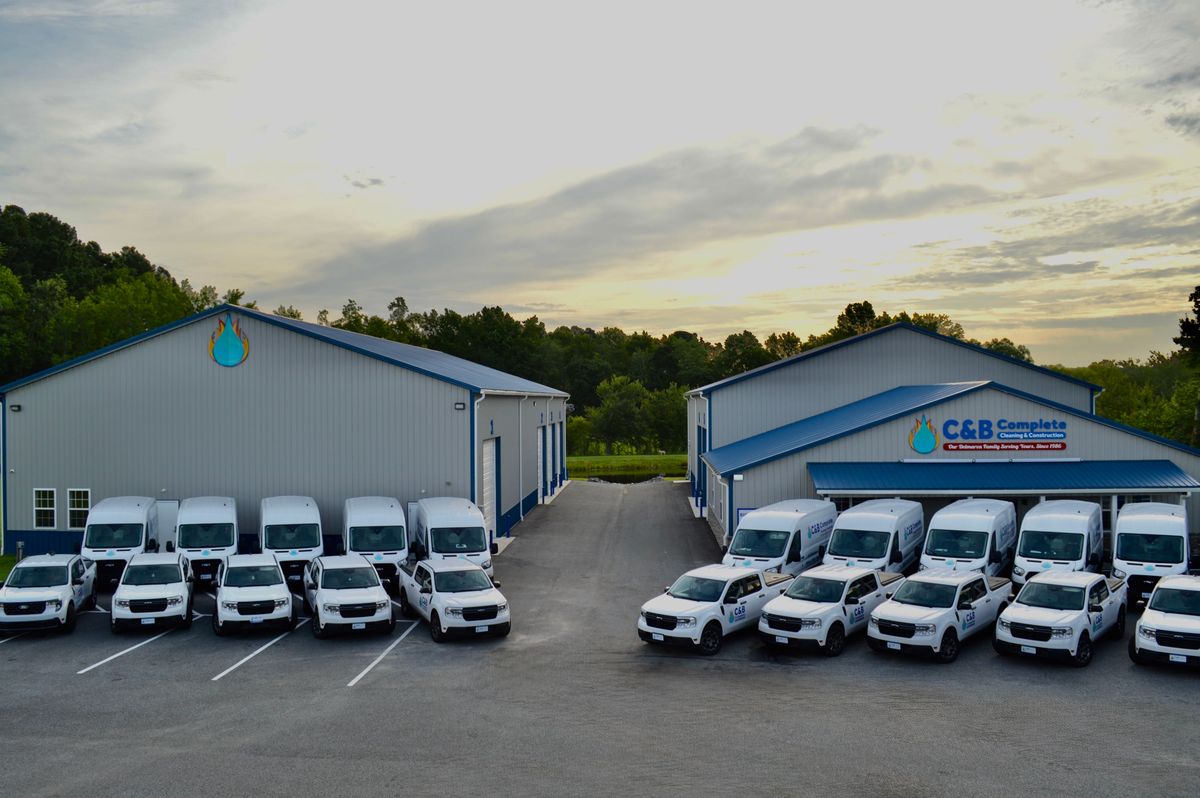
C&B Complete Cleaning & Construction provides flood damage restoration across Delaware and Maryland for homes and businesses hit by storm water, heavy rain, groundwater intrusion, basement flooding, and large-volume water intrusion. Flooding rarely stays where it started — water finds the lowest point in your property and spreads from there, which is why speed on extraction and drying matters more than almost anything else in the first 24 hours. Flood cleanup is one piece of the broader water damage restoration work we handle throughout Delaware and Maryland.
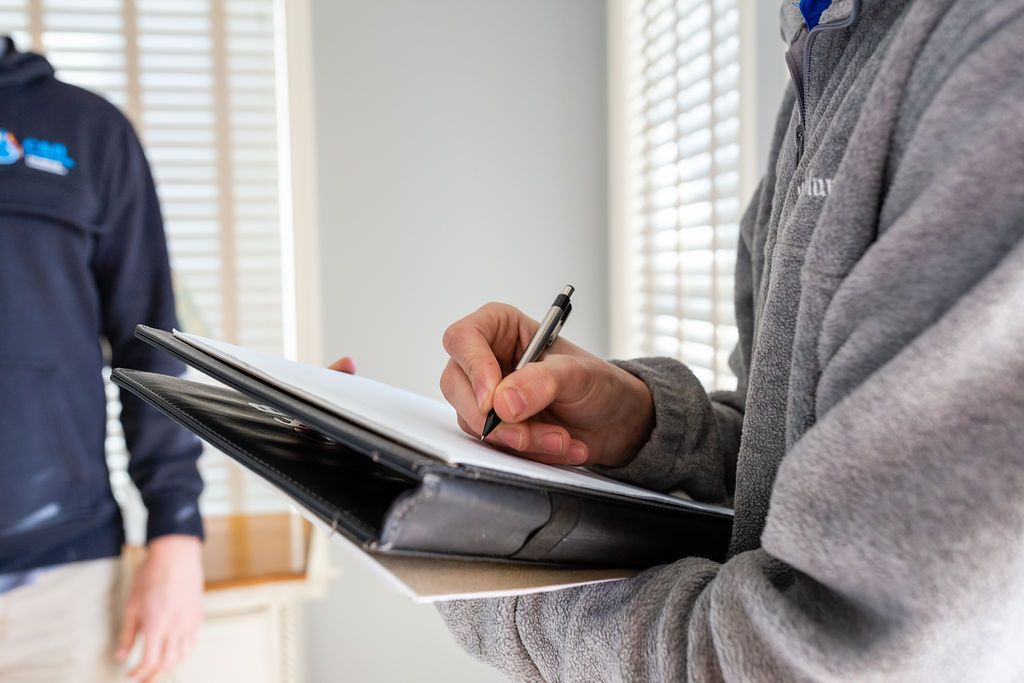
We answer the phone 24/7, and a First Responder is on site within 90 minutes of your call. Every crew includes an IICRC-certified technician, and we start with a free inspection to map how far the water actually traveled — including areas that look dry from the doorway but aren't — before we build a plan.
Flooding right now? Call (302) 381-9891. Inspections are free.
What to do after flooding before help arrives
If it's safe to do so, there are a few things that help before we arrive. Turn off electricity to affected rooms if you can reach the breaker without walking through standing water — never enter a flooded area if there's any chance of electrical contact. Move furniture, rugs, and valuables to a dry area if the water level allows it safely. Take photos or video of the flooding and any visible damage before you touch anything; that documentation is useful later, and duplicating it doesn't hurt.
Don't wait to see if it dries on its own, and don't try to handle water extraction yourself — floodwater is often contaminated, and standing water hides hazards like weakened flooring or exposed wiring. If the water source is a storm or heavy rain, avoid walking through flooded areas outside the home as well; groundwater and runoff can carry the same contamination risks as floodwater inside.
Once it's safe, call us. We'll walk you through what to expect and get a First Responder and crew moving toward your property.
Flood water extraction, debris removal, and drying
Once we're on site, extraction comes first. We pull standing water out with truck-mounted and portable equipment, working from the areas holding the most water toward the edges. Flooding often brings debris with it — mud, silt, and anything the water picked up on its way in — and that gets removed and disposed of as part of the cleanup, not left for you to deal with separately. That debris removal matters beyond cleanliness — silt and organic material left behind can hold moisture against flooring and drywall long after the standing water is gone, working against the drying process.
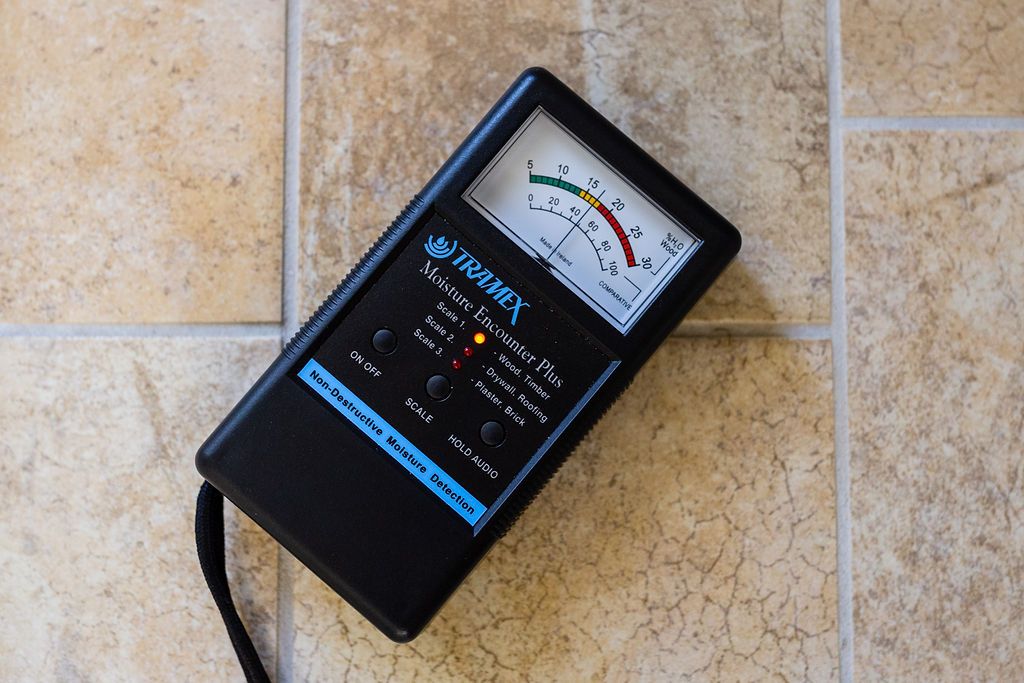
After extraction, drying starts. Air movers and dehumidifiers go in to pull the remaining moisture out of flooring, drywall, and subfloor, and we take moisture readings throughout rather than guessing when a space is dry. Equipment runs 24 hours a day for best results. Most drying projects take 3 to 7 days, though flood jobs with heavy saturation or contaminated water sometimes take longer — we'll give you a realistic estimate once we've seen the extent of it.
Basement flooding in particular tends to need extra attention, since water often sits longest at the lowest point of a property before extraction reaches it.
Storm water, groundwater, and contaminated water concerns
Storm water and groundwater intrusion bring an extra concern beyond the volume of water itself: contamination. Water that's traveled across the ground, through a storm drain, or up from a sump pit can carry silt, chemicals, or bacteria that clean tap water never would. We treat storm-driven flooding as contaminated water until we know otherwise, which changes how we handle cleanup, disposal, and what materials can realistically be saved. Groundwater intrusion through a foundation wall or crawl space often looks minor at first — a damp patch, a musty smell — but it tends to recur with every heavy rain until the water finds somewhere else to go, which is why we look at the whole picture rather than just the water on the floor today.
To be clear about scope: we restore the interior damage storms cause — the water in your basement or first floor, the saturated flooring, the wet drywall and insulation. We don't perform exterior storm repair like roofing, siding, or window replacement; our work starts at the water that made it inside.
If the water involved is significantly contaminated — sewage backup mixed with storm water, for example — that moves into a more involved cleanup process. Our sewage cleanup page covers how we handle that level of contamination.
Basement and lower-level flooding
Basements and other lower-level spaces take the brunt of most flood events, since water follows gravity to the lowest point in a property and often sits there longest before anyone notices. Sump pump failure, groundwater pushing through foundation walls, and heavy rain overwhelming drainage all show up the same way: standing water in a finished or unfinished basement, sometimes several inches deep before it's discovered.
Basements also tend to hold materials that don't dry well in place — carpet pad, particleboard furniture, cardboard storage boxes, and drywall installed close to the floor. Basement flooding is often discovered late — after water has already reached baseboards, stored belongings, and anything sitting directly on the floor — which is one more reason lower levels need extra drying attention. We inspect what's down there before deciding what stays and what has to come out, and we explain that decision as we go rather than making the call without you.
For more on how we dry a basement thoroughly once the water's out — walls, subfloor, and everything in between — see our structural drying page.
Documentation for insurance and property recovery
We document flood damage the same thorough way we document any water loss — photos of the affected areas, moisture readings, a drying log, and an itemized scope of what was removed and why. That record is what most clients use when working with their insurance carrier, and our Adjuster Liaison sends it directly to them so you're not stuck compiling paperwork on top of everything else. We price the work using Xactimate, the estimating software most insurance companies already use.
Coverage for flood damage varies more than other water losses, since many standard homeowner policies treat storm-driven interior water damage differently than a separate flood policy would. We can't tell you what your policy covers — that determination sits with your insurance carrier, based on your policy and the cause of loss. We work with all insurance companies, and our documentation is built to answer whatever they ask. Our Client Care Coordinator keeps you updated while that conversation with your carrier plays out. We also log which materials were removed and why, since that record matters for both your claim and your own understanding of what happened to your property.
If moisture wasn't fully addressed and mold shows up later, that's a separate process — our mold remediation team handles active growth.
Call C&B after flood damage in Delaware & Maryland
Flooding doesn't wait, and neither should you. Call C&B Complete Cleaning & Construction for flood damage restoration in Delaware & Maryland — we'll inspect the damage, extract the water, start drying, and document everything your insurance carrier needs. Whether it's a storm-flooded basement or a groundwater problem that's been building for days, the process starts the same way: an inspection, a plan, and a crew that shows up ready to work.
This is one part of the broader water damage restoration we handle across the region, family-owned since 1986 and licensed, bonded, and insured in both Delaware and Maryland (DE 2007223623, MHIC 132085). Call (302) 381-9891 any time, day or night, or send us a request online and we'll follow up within 15 minutes during business hours.