Structural Drying Services in Delaware & Maryland
C&B Complete Cleaning & Construction provides structural drying across Delaware and Maryland after water damage affects framing, drywall, subfloors, cabinets, walls, ceilings, and other building cavities. Structural drying is more than pointing a fan at a wet spot — it's a controlled process that uses air movement, dehumidification, and moisture readings to dry a property from the inside out, not just the surface.
We answer the phone 24/7, and a First Responder is on site within 90 minutes, with an IICRC-certified technician on every crew. We start with a free inspection so we know what's actually wet — including materials that look dry but aren't — before equipment goes down.
If your property has wet structural materials right now, call (302) 381-9891. Inspections are free.
What structural drying includes
A structural drying job typically includes setting up air movers to circulate air across wet surfaces, dehumidifiers to pull moisture out of the air so materials can actually release it, containment where needed to keep drying efficient in a specific area, and ongoing moisture readings that tell us when the job is done. It's not a one-size-fits-all setup — the equipment and placement depend on what's wet, how wet it is, and what materials are involved.
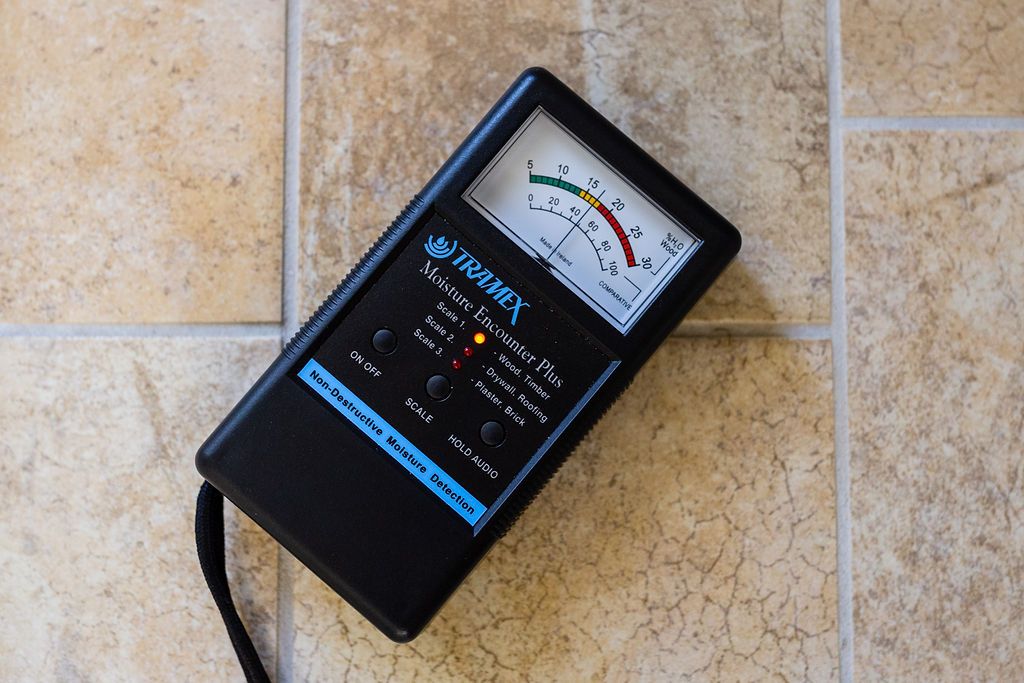
Moisture can sit in drywall, insulation, subfloor, cabinets, trim, and carpet pad long after the surface looks and feels dry, and it causes problems later — swelling, warping, odor, or worse — if it isn't fully addressed. We track moisture through the whole job with meters, not the eye test, and we don't call a room finished until the readings confirm it. Our dehumidification services page covers the equipment side of this process in more depth.
Wall cavity, baseboard, and cabinet drying
Some materials can be dried in place with the right equipment and enough time — solid wood subfloor and framing often qualify. Wall cavities can sometimes be dried without removing drywall, using specialized drying equipment and small access points rather than opening up the whole wall. Baseboards that have wicked moisture from flooring can often be pulled and reused once the wall behind them is confirmed dry.
Cabinets are trickier. Solid wood cabinetry can sometimes be dried; particleboard cabinetry usually can't, since it swells and loses structural integrity once it's been wet for more than a short period. We won't know which is which until we've inspected the specific materials in your property, and we'll explain that decision to you before anything comes out. Our moisture mapping service is how we document exactly which materials fall into which category.
Air movers, dehumidifiers, and containment
Air movers create controlled airflow across wet surfaces, which speeds up evaporation. Dehumidifiers then pull that moisture out of the air, since a room full of humid air slows drying down rather than helping it — without dehumidification, moisture just evaporates and resettles somewhere else in the space. Where a job calls for it, we use containment to isolate the work area, which keeps the drying environment efficient and limits how far dust or contamination can spread.
Equipment runs 24 hours a day for best results, and it should stay running as directed rather than getting shut off between visits. Our water damage inspection page covers how we determine the starting point for a drying plan.
Moisture monitoring and drying goals
We take moisture readings throughout the job — not just at the start and the end — so we can see progress and adjust equipment placement if a particular area is drying more slowly than expected. The goal isn't a material that feels dry to the touch; it's a material that reads within a normal moisture range on a meter, which is a more reliable standard.
Most drying projects take 3 to 7 days, though some take longer depending on how much material was affected, how long it stayed wet, and the humidity conditions in the space. We won't give you an exact timeline before we've inspected the property, but we'll keep you updated with real numbers as the job progresses rather than vague reassurance.
When demolition or reconstruction is required
Not every wet material can be dried, no matter how much equipment we bring. Materials that have been wet for an extended period, that were exposed to contaminated water, or that are simply not built to hold up once saturated — certain insulation types, particleboard, and carpet pad among them — usually need to be removed rather than dried. Removing that material sooner rather than later also speeds up drying for everything around it.
Once drying is complete and any necessary material has been removed, the space is ready for repair. Our reconstruction team handles that work too, so one company takes the job from the first call to the finished repair.
Call C&B for Structural Drying in Delaware & Maryland
If your Delaware or Maryland property has wet framing, drywall, subfloor, or cabinets after water damage, call C&B Complete Cleaning & Construction. We'll set up the right combination of equipment, track moisture until the readings confirm it's dry, and tell you plainly if anything needs to be removed instead.
We've served this region since 1986, we're licensed, bonded, and insured (DE 2007223623, MHIC 132085), and an IICRC-certified technician is on every crew we send. Call (302) 381-9891 any time, day or night, or send us a request online and we'll follow up within 15 minutes during business hours.