Professional Black Mold Removal for Homes and Businesses in Delaware & Maryland
Dark, black-colored mold growth draws a lot of concern, and for good reason — it usually means moisture has been sitting somewhere for a while. Our team helps homes and businesses across Delaware and Maryland identify the affected area, contain it, remove or clean what's actually there, and address the moisture source so it doesn't come back.
Black-colored growth shows up most often in bathrooms, around windows, in basements, and anywhere a leak or high humidity has gone unaddressed. It doesn't always mean the same thing every time — dark mold varies by species and by what's feeding it — but the response is usually similar: contain it, figure out what's causing the moisture, and remove or clean the affected materials.
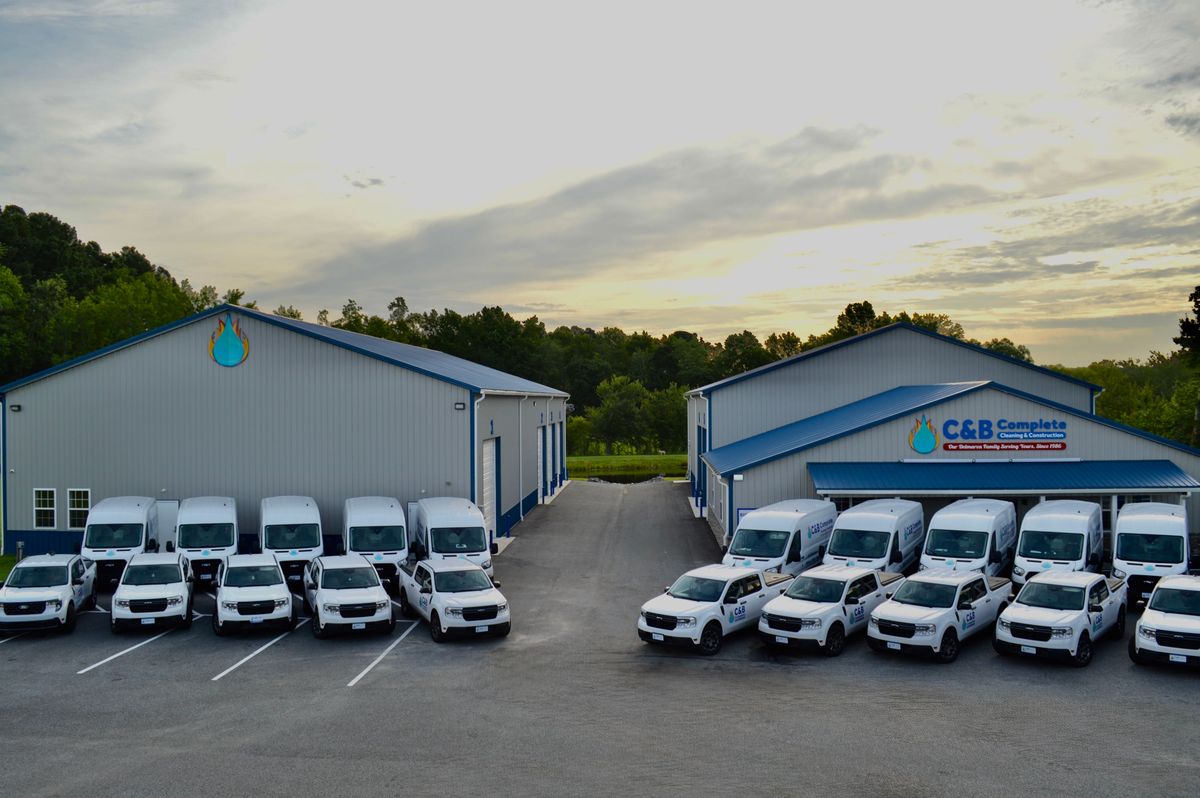
Every crew includes an IICRC-certified technician, and we've worked in this region since 1986. We answer the phone 24/7, and a First Responder is on site within 90 minutes of your call. If you've found suspected black mold, don't disturb it — call (302) 381-9891 and we'll walk through what to do next.
What to Do If You Find Suspected Black Mold
Don't scrub it, spray it, or scrape it off before you've talked to someone. Disturbing mold without containment can push spores into rooms that were never affected. If it's safe to do so, stop any active moisture source — turn off a leaking supply line, for example — and take a few photos to document what you're seeing before anything changes.
Limit time in the affected area, and keep kids, pets, and anyone with respiratory sensitivities away from it until it's been assessed. We're not able to give medical advice — if you're worried about symptoms, that's a conversation for a doctor. What we can do is get a technician out to look at the growth and the moisture behind it.
If you've recently had a leak, a flood, or a sewage backup and you're now seeing dark growth, mention that when you call. It changes how we approach containment and what protective steps the crew takes on arrival.
What Black Mold Removal Includes
A black mold job usually follows the same sequence, adjusted for how much is affected and where it's growing:
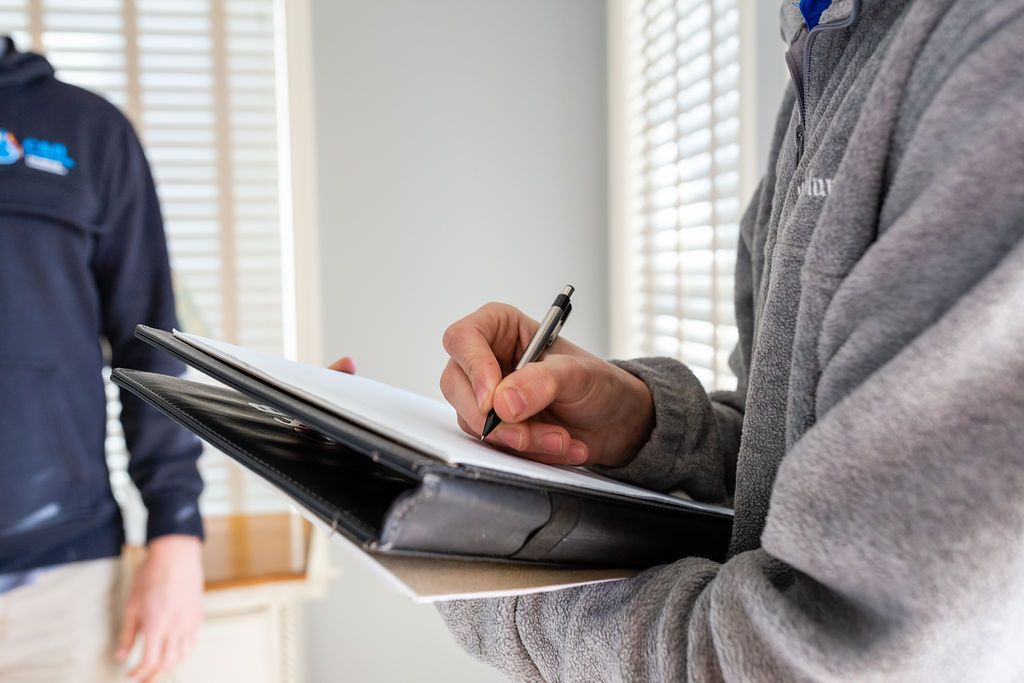
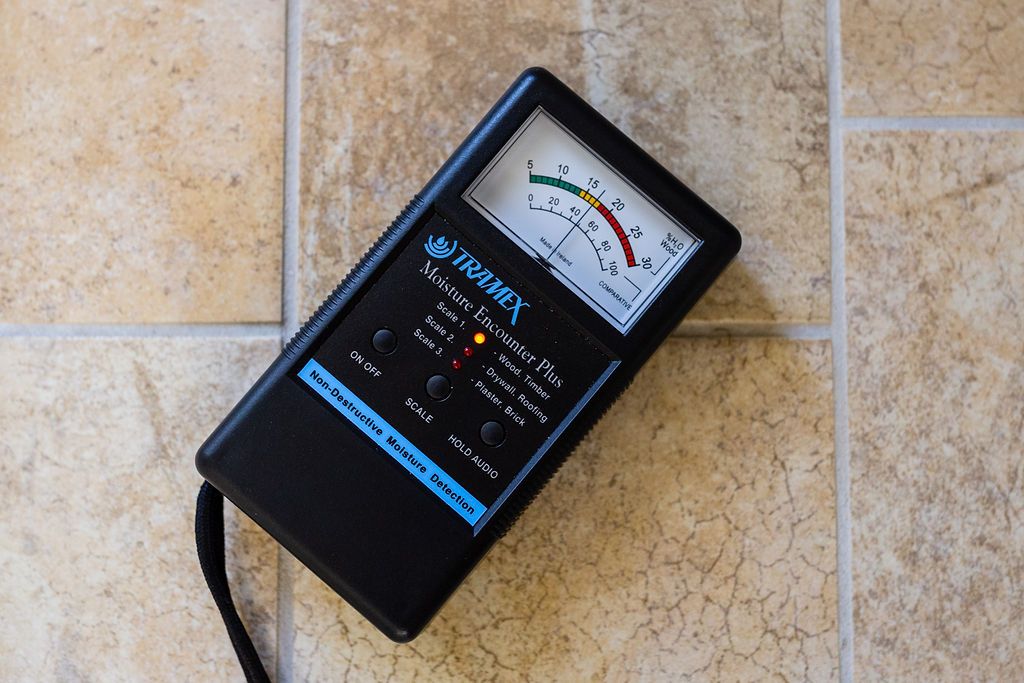
- Inspection of the growth and a review of the moisture source behind it.
- Containment to keep the work area separate from the rest of the property, using plastic sheeting and negative air pressure where it's warranted.
- HEPA air filtration where the scope calls for it.
- Removal of contaminated porous materials that can't be reliably cleaned.
- Cleaning and treatment of salvageable hard surfaces.
- Drying and moisture correction, so the growth doesn't return once the job is done.
We document each step with photos and notes as we go, which matters if you're filing an insurance claim or need a record for a home sale. We'll also walk you through which category each affected material falls into before anything comes out.
Black Mold on Drywall, Wood, Ceilings, and Floors
Porous materials like drywall and ceiling tile often need to be removed rather than cleaned, because mold can grow into the material itself, not just sit on the surface. Ceiling tile and cheap subfloor underlayment are almost always a remove-and-replace situation once mold has set in — they're inexpensive to replace and hard to clean reliably. Structural framing lumber is often the opposite case: it's expensive and load-bearing, so we lean toward cleaning and drying it when the growth hasn't compromised the wood itself. We inspect before we decide — the right call depends on the specific material, how long it's been wet, and what caused the moisture.
Inspection, Testing, and Verification
Our technicians inspect the visible growth and the moisture conditions around it as part of every black mold job — that's included in what we do. What we don't do in-house is lab testing. Confirming a specific mold species, or running air and surface samples for documentation, requires a certified third-party hygienist, and all mold testing is their work, not ours. If your situation calls for that level of verification, we coordinate the referral so you're not left to find one on your own.
Real estate transactions, insurance claims, and larger commercial jobs are the situations where third-party testing comes up most. If you're not sure whether yours needs it, ask when you call — we'll tell you honestly whether our inspection answers the question or whether lab work adds something inspection can't. For more on what our evaluation covers, see our mold inspection page.
Get Help With Black Mold in Delaware & Maryland
If you've found suspected black mold, call C&B Complete Cleaning & Construction before you disturb it. We'll inspect the affected area, explain the moisture source behind it, and recommend removal, fuller remediation, or third-party testing depending on what we find. A First Responder is on site within 90 minutes of your call.
We've served Delaware and Maryland since 1986, we're licensed, bonded, and insured (DE 2007223623, MHIC 132085), and an IICRC-certified technician is on every crew we send. Call (302) 381-9891, or send us a request online and we'll follow up within 15 minutes during business hours.