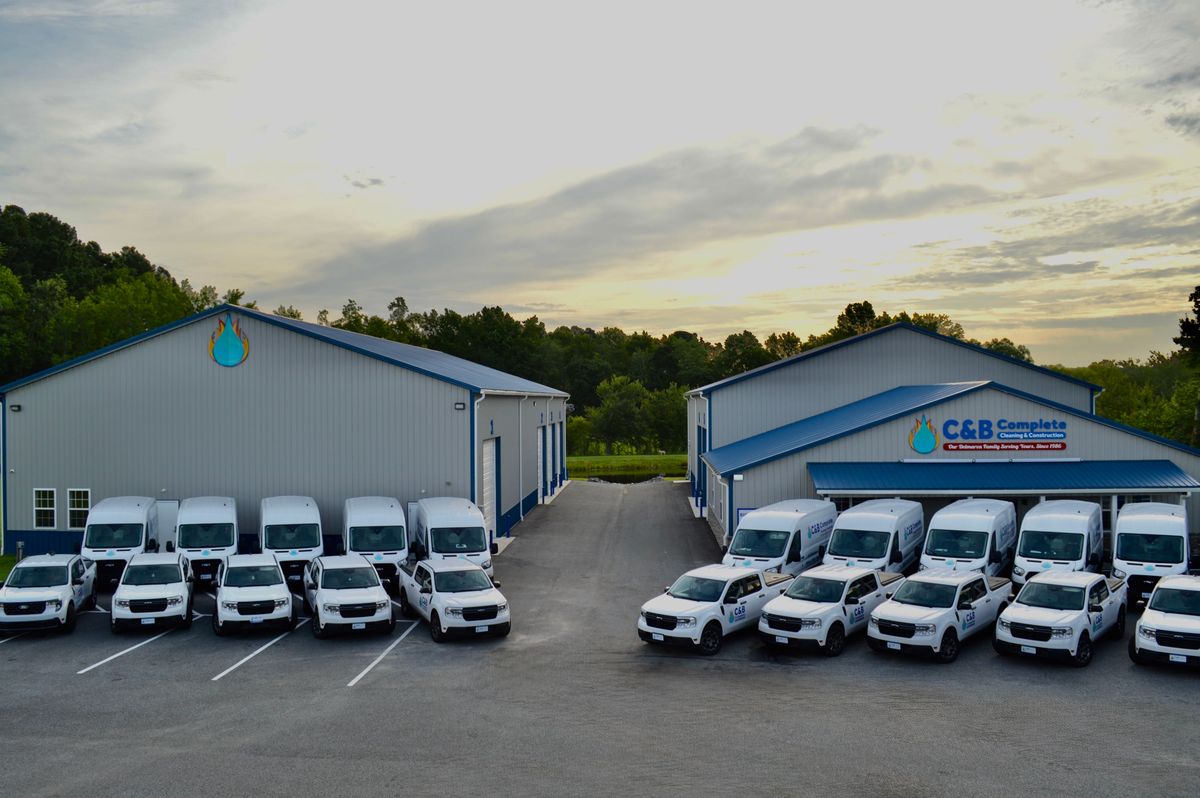
Water Damage Cleanup Services in Delaware & Maryland
When water damages a home or business in Delaware or Maryland, cleanup has to start quickly and follow a clear process. C&B Complete Cleaning & Construction provides water damage cleanup services for leaks, floods, plumbing overflows, appliance failures, storm water, and other water emergencies. We inspect affected areas, remove standing water when needed, clean and sanitize damaged spaces, dry wet materials, document the loss, and help you move toward repair.
Cleanup is broader than mopping up what's visible. A real cleanup job includes inspection, water removal, handling of debris and damaged materials, cleaning and sanitizing, drying support, odor control, and documentation your insurance carrier can use. We answer the phone 24/7, and a First Responder is on site within 90 minutes of your call, with an IICRC-certified technician on every crew we send.
If water has damaged your home or business, call (302) 381-9891. We start with a free inspection so we know exactly what's wet before we write a scope of work.
Emergency Cleanup After Leaks, Floods, and Overflows
Standing water, soaked drywall, wet flooring, a musty smell, ceiling stains, swollen cabinets, and water anywhere near electrical outlets or panels are all signs cleanup needs to start now, not after you've had a chance to see if it dries on its own. The most common sources we see are burst pipes, appliance leaks, roof leaks, basement flooding, toilet overflows, sewer backups, sprinkler discharge, and storm water intrusion.
If it's safe to do so, you can stop the water source yourself — shutting off a supply valve or unplugging a failed appliance. Don't wade into standing water that could be contaminated or near an active electrical hazard; that's exactly the kind of call where waiting for us is the safer move. Once the source is controlled, or if you're not sure it's safe to approach, call us and we'll take it from there.
What Water Damage Cleanup Includes
Cleanup is its own phase of the job, distinct from the extraction and drying that come with it. Here's what a typical cleanup job covers, start to finish.
Inspection and Safety Check
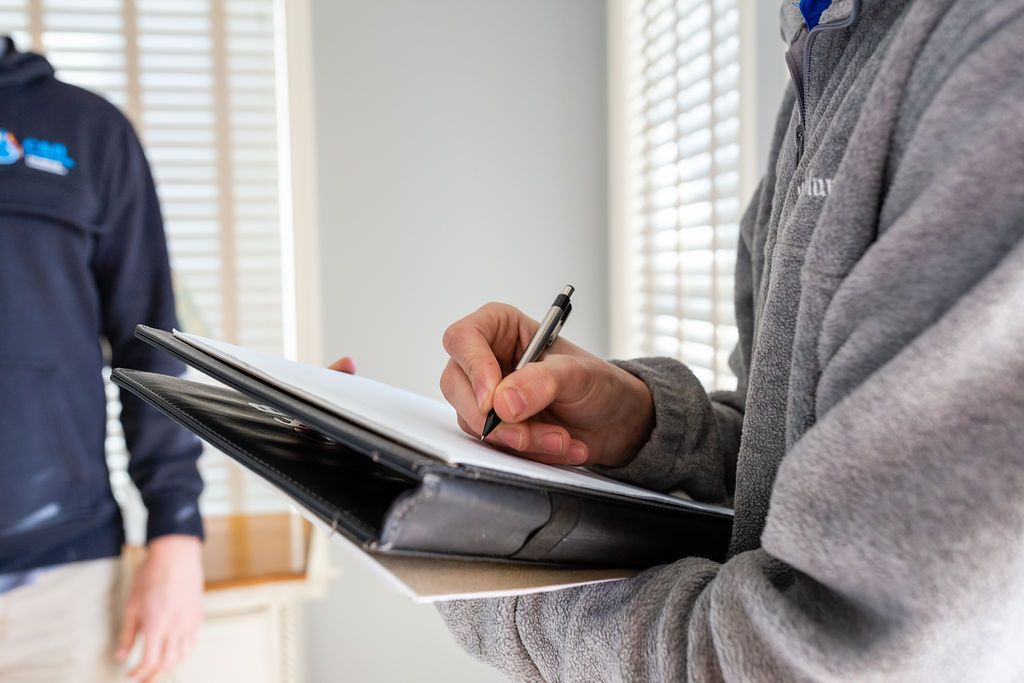
Before anything else, we walk the property to identify affected rooms and materials, check for electrical hazards, sagging ceilings, and contaminated water, and flag any structural concerns. This is also where we start forming a picture of how far the water traveled — not just what's visibly wet, but what's likely wet underneath or behind.
Standing Water Removal and Wet Material Handling
When standing water is present, we extract it before anything else can happen. From there, we remove materials that can't reasonably be saved — soaked carpet pad, swollen particleboard, saturated insulation — and protect furniture and belongings that can be moved out of the work area. For a closer look at how extraction itself works, our water extraction page covers the equipment and process in detail.
Cleaning, Sanitizing, and Odor Control
We clean affected hard surfaces and sanitize based on how contaminated the water was — a clean supply-line leak needs less than a toilet overflow or sewage backup. Odor after water damage usually comes from wet materials, trapped moisture, or contamination, and we treat the cause rather than just masking the smell. We won't promise every odor disappears completely; some materials that stayed wet too long may need to be removed rather than just cleaned.
Drying Support and Moisture Monitoring
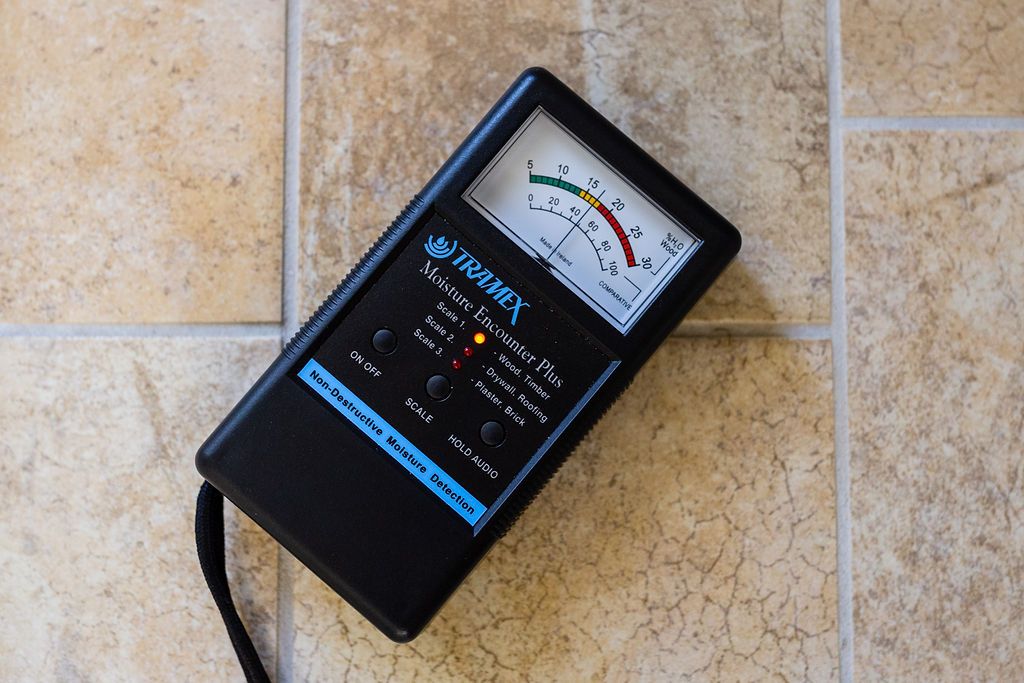
Cleanup doesn't finish without drying. We set up air movers and dehumidifiers, take moisture readings, and keep a drying log so we know when a space is actually dry rather than guessing. Equipment runs 24 hours a day for best results, and most drying projects take 3 to 7 days, though some take longer depending on what got wet and how long it sat. Our structural drying and dehumidification services pages cover the technical side of that process.
Cleanup for Different Types of Water Damage
Not all water is the same, and the cleanup approach changes with the contamination level.
Clean Water Leaks
A broken supply line, an overflowing sink, or a water heater leak is usually clean water — the most straightforward tier to clean up. That said, clean water that sits too long or spreads into other materials can still cause real damage, so it's still worth calling rather than waiting to see what happens.
Gray Water and Appliance Overflows
Dishwasher and washing machine discharge, and some toilet overflows without solid waste, fall into a gray-water tier that carries some contamination. These need more careful cleaning and a closer look at which materials can be dried and kept versus which need to be replaced.
Sewage, Floodwater, and Category 3 Water
Sewage backups and floodwater are the most contaminated tier we handle, and they call for protective equipment and more conservative decisions about what has to be removed. If sewage is part of your loss, our sewage cleanup page walks through that process specifically — it's different enough from standard cleanup that it deserves its own explanation.
Water Damage Cleanup vs. Water Mitigation vs. Restoration
These three terms get used interchangeably, but they cover different parts of the job. Cleanup removes water-damaged debris and materials, cleans and sanitizes affected areas, controls odor, and prepares the space for drying and repair. Mitigation is the emergency stage that stops damage from spreading — fast response, extraction, drying setup, and containment. Restoration is the broader process, including the repair and rebuild work that returns the property to its pre-loss condition.
We handle all three phases on most jobs, but they're worth understanding separately, because the scope of what "done" looks like is different at each stage. Our water mitigation page and our water damage restoration hub cover the other two phases in more depth.
Mold Risk After Water Damage Cleanup
Moisture trapped behind walls, under flooring, in cabinets, or inside insulation raises the risk of mold after any water event. That's part of why our cleanup process includes moisture checks and drying support rather than stopping once a room looks dry to the eye. Fast, thorough drying reduces that risk significantly — it isn't a guarantee against mold in every situation, since every property and every water source is different.
If we see visible mold or a strong musty odor once we're on site, that's handled as a separate process. Our mold remediation team addresses active growth, and we'll walk you through what that looks like before any work starts.
Insurance Documentation for Water Damage Cleanup
We document every cleanup job as we go — photos of affected areas, moisture readings, an itemized scope of damaged material, and equipment logs when drying equipment is running. Our Adjuster Liaison prepares that documentation and sends it directly to your carrier, and we price the work using Xactimate, the estimating software most insurance companies already recognize.
What we can't do is tell you what your policy covers. Coverage is determined by your insurance carrier, based on your policy and the cause of loss. We work with all insurance companies, and our job is to make sure you and your carrier have what's needed to move the claim along quickly.
Call C&B for Water Damage Cleanup in Delaware & Maryland
If water has damaged your home, rental property, or business in Delaware or Maryland, call C&B Complete Cleaning & Construction for water damage cleanup. We'll inspect the affected areas, remove water-damaged materials when needed, clean and sanitize the space, set up drying support, and document the job so you can move toward repair with a clearer plan.
We've served this region since 1986, and we're licensed, bonded, and insured (DE 2007223623, MHIC 132085), with an IICRC-certified technician on every crew. Call (302) 381-9891 any time, day or night, or send us a request online and we'll follow up within 15 minutes during business hours.