Crawl Space Flooding Cleanup in Delaware & Maryland
Crawl spaces sit low, stay dark, and are easy to ignore until a musty smell or a spike in humidity upstairs gives away standing water below. With a high water table across much of Delaware & Maryland's Eastern Shore, groundwater, a failed sump pump, or a supply-line leak can leave a crawl space wet for weeks without anyone going down to check. We remove standing water, dry the space, and check insulation and framing for damage anywhere in our service area.
Our crews access the crawl space with pumps and extraction equipment, check moisture levels in the framing and subfloor above, and set drying and dehumidification equipment to bring the space back to normal. An IICRC-certified technician is on every crew, and a free inspection tells you the real extent of the damage before work begins.
If you have standing water in a crawl space right now, call (302) 381-9891. Our line answers 24/7 for restoration emergencies.
What to Do Right Away
Do not enter a flooded crawl space yourself. Standing water in an enclosed space can hide electrical hazards, unstable ground, and contamination you can't see from the access hatch.
A few things to keep in mind while you wait for help:
Stop the water source only if it's safe to reach from outside the crawl space, such as a hose bib or exterior shutoff.
Stay out of the crawl space itself — leave inspection and extraction to a technician with the right equipment.
Watch for a musty smell, rising humidity, or a spike in your utility bills, which can point to standing water below.
Photograph what you can see from the access point before anyone enters.
Avoid running fans into a flooded crawl space on your own — it can spread moisture rather than remove it.
Call (302) 381-9891 for guidance on next steps, even before a crew arrives.
How Our Crawl Space Flooding Process Works
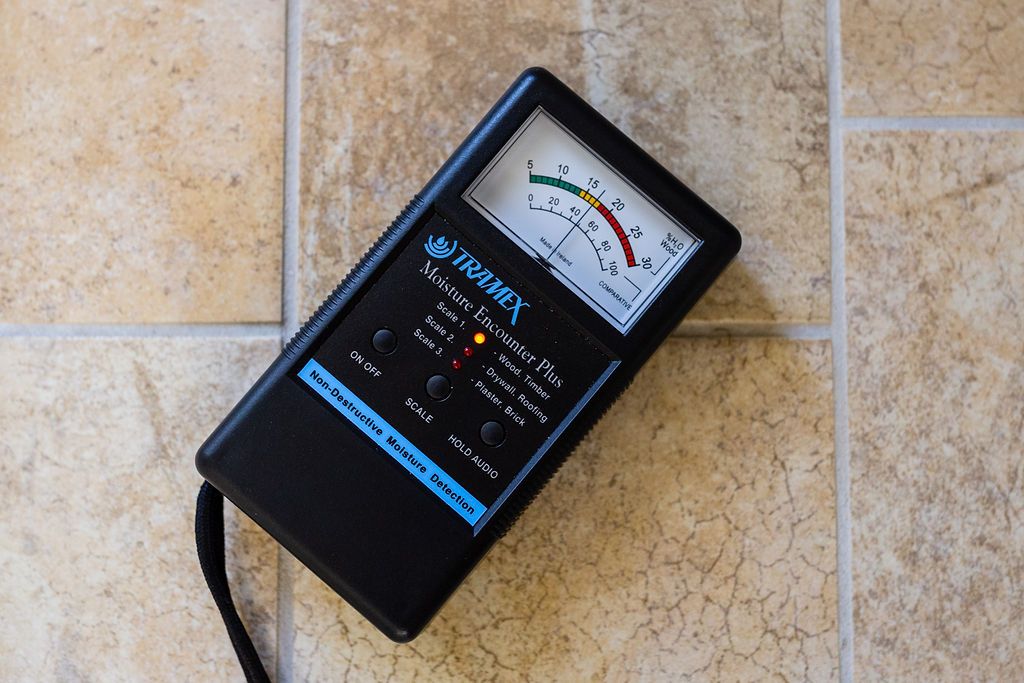
We start with an inspection — moisture meters and, where needed, thermal imaging to map how far water and moisture have spread across the framing, insulation, and subfloor above the crawl space. If there's standing water, we extract it first with pumps built for confined spaces.
From there, drying and dehumidification equipment goes to work. Most drying projects take 3 to 7 days, though a crawl space can take longer given limited airflow and the amount of exposed wood and insulation. Equipment runs 24 hours a day, and we take moisture readings throughout so we know when the space is genuinely dry rather than just drier than it was.
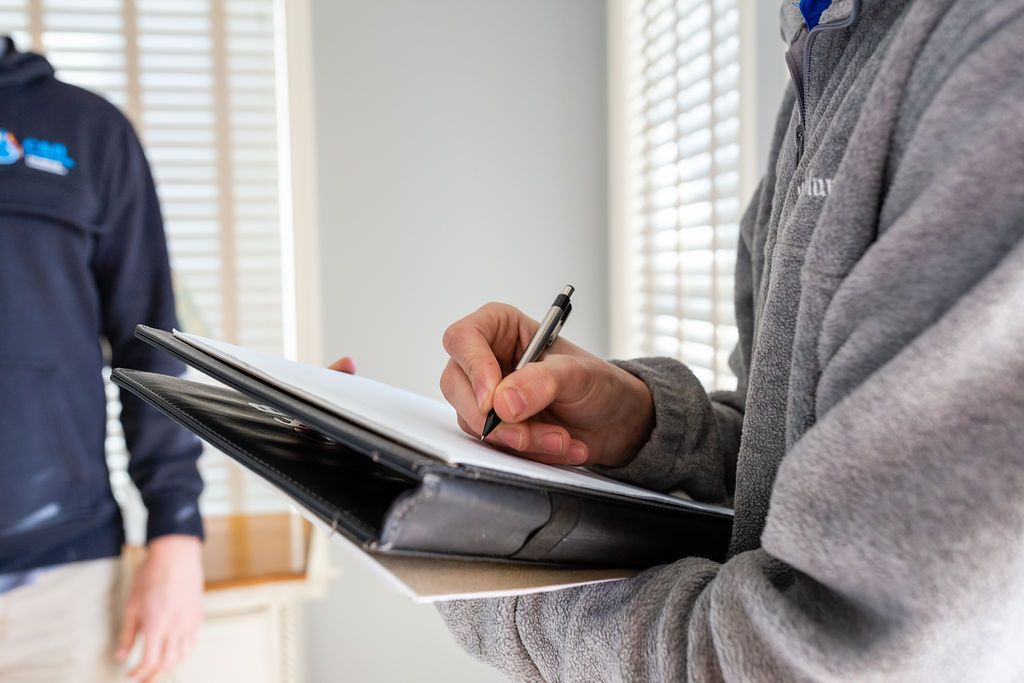
Where insulation has become waterlogged or framing shows contamination, we remove only what needs to come out. Everything is documented with photos and measurements for your insurance file, priced with Xactimate, and your Adjuster Liaison keeps your carrier updated as the job moves.
Common Damage Areas and Warning Signs
Standing water in a crawl space affects more than the ground beneath the house. It soaks into fiberglass or foam insulation, wicks up into floor joists and subfloor, and raises humidity in the space enough to affect flooring and air quality in the rooms above. Vapor barriers, when present, can trap moisture against wood framing rather than keep it out, which makes a professional check important even after the standing water is gone.
Warning signs worth checking from outside the crawl space: a musty odor noticeable in the house above, unusually high indoor humidity, cupping or warping hardwood floors on the level above the crawl space, and visible dampness or staining around the foundation. Because water and moisture travel through insulation and framing well beyond what's visible at the access hatch, we check with moisture meters rather than guessing. If conditions have supported mold growth, we'll flag that during inspection and route confirmed growth to our crawl space mold remediation team.
Cleanup, Drying, and Repair Coordination
Our part of the job is the water damage — extraction, drying, dehumidification, and documentation. If the flooding traces back to a failed sump pump, a plumbing leak, or a grading issue outside the home, that repair belongs to a plumber or the appropriate contractor, and we coordinate around their schedule.
Where insulation or framing needs to be replaced after drying, we offer full-service reconstruction, so one company takes the job from the first call to the finished rebuild. We document the scope along the way, so the rebuild can start as soon as drying is done.
Related Water Damage Services
Crawl space flooding often overlaps with services our other pages cover in more depth. Water Extraction and Structural Drying cover the core extraction and drying process, and Dehumidification Services focuses specifically on bringing humidity down in confined spaces like a crawl space. If moisture has already led to mold growth, our Crawl Space Mold Removal page under mold remediation covers that scope directly. Water Damage Restoration is our full overview of the water damage process across Delaware & Maryland, and Water Damage Cleanup and Water Mitigation cover sanitizing and broader mitigation steps.
Get Crawl Space Flooding Help in Delaware & Maryland
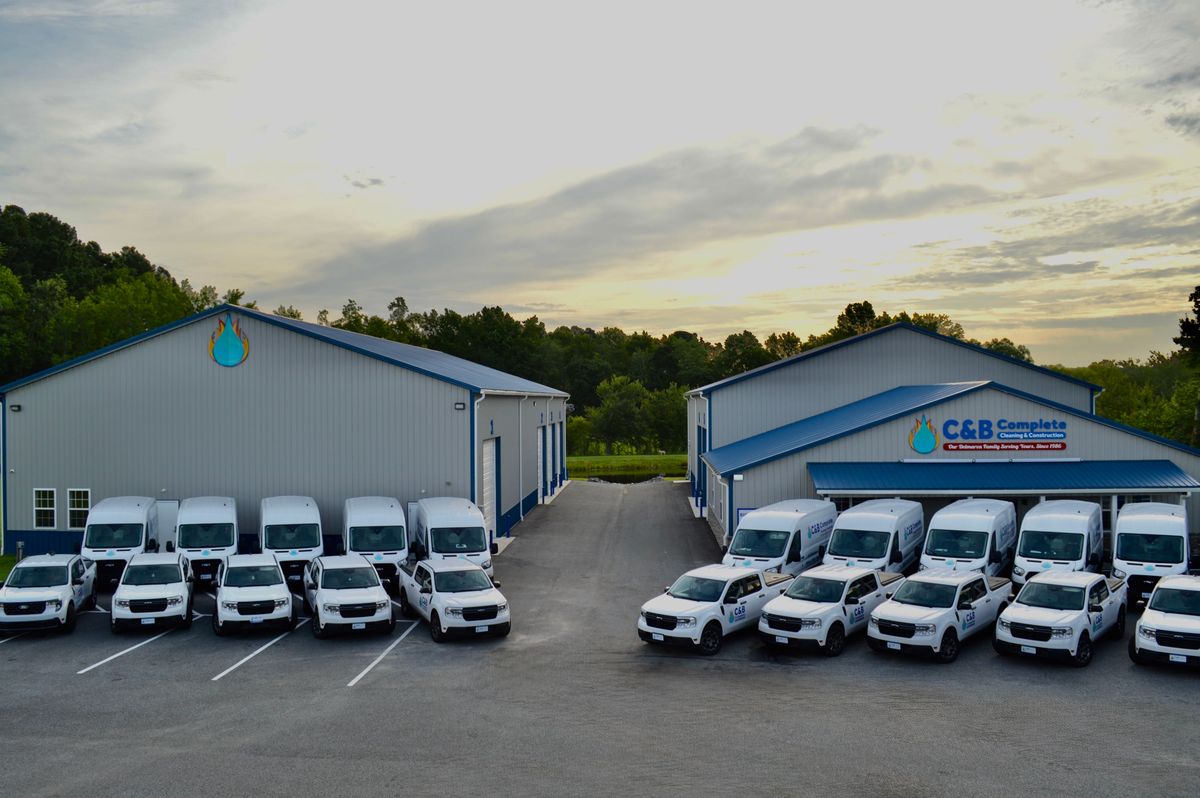
We've served Delaware and Maryland's Eastern Shore since 1986, and crawl space flooding is a common call in an area with a high water table and older homes on crawl foundations. Whether you've noticed a musty smell or already found standing water, call us and we'll walk through what we see and what happens next.
Call (302) 381-9891 — we answer 24/7 for restoration emergencies. For a non-urgent inspection or a question about moisture you've noticed, send us a request and we'll follow up within 15 minutes during business hours.