Subfloor Water Damage Cleanup in Delaware & Maryland
Subfloor damage is easy to miss because the finished flooring on top usually shows the first signs long before anyone thinks to check what's underneath. Plywood or OSB subflooring swells, delaminates, and loses structural strength once it's saturated, and by the time flooring feels soft or springy underfoot, the subfloor beneath it has often been wet for a while.
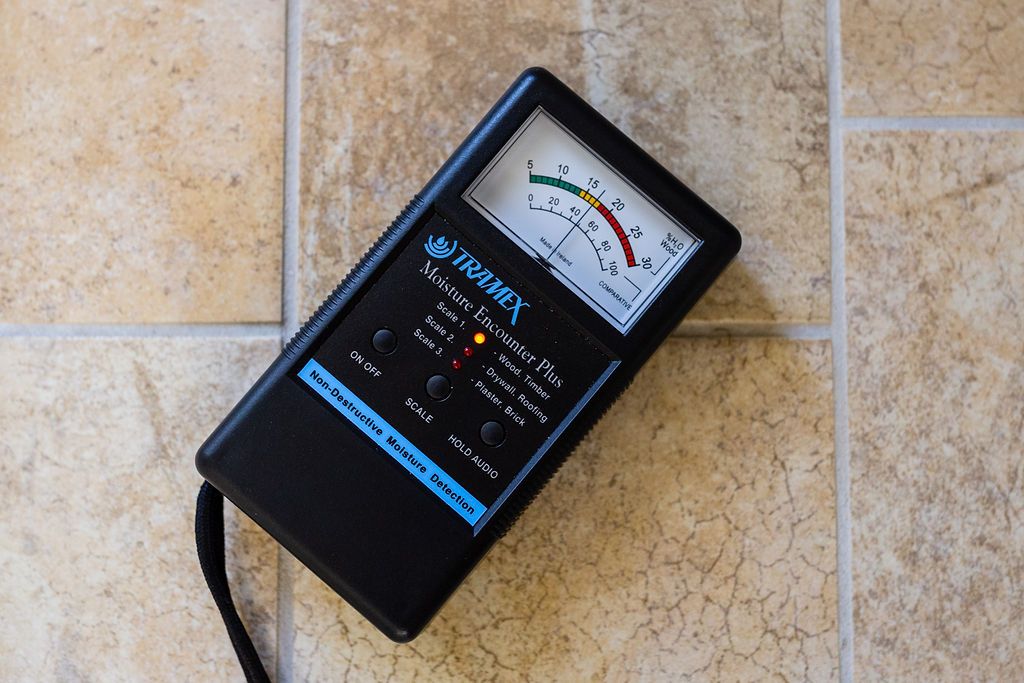
C&B Complete Cleaning & Construction inspects for subfloor water damage across Delaware and Maryland beneath tile, hardwood, laminate, and carpet, using moisture meters to check what finished flooring can't show. We dry subflooring where that's realistic and remove sections that have lost too much structural integrity to save.
If you suspect water reached your subfloor, call (302) 381-9891. Inspections are free, and we'll assess it.
What to Do Right Away
Stop the water source if it's safe to do so. Avoid walking heavily on flooring that feels soft, springy, or uneven, since that can indicate the subfloor beneath has already weakened. Don't attempt to pull up flooring yourself to check the subfloor before it's been assessed — that can cause more damage and complicate documentation.
Photograph the affected area and any soft or discolored spots in the flooring, then call us. We'll tell you whether the finished flooring needs to come up to check and dry the subfloor beneath it.
How Our Subfloor Water Damage Process Works
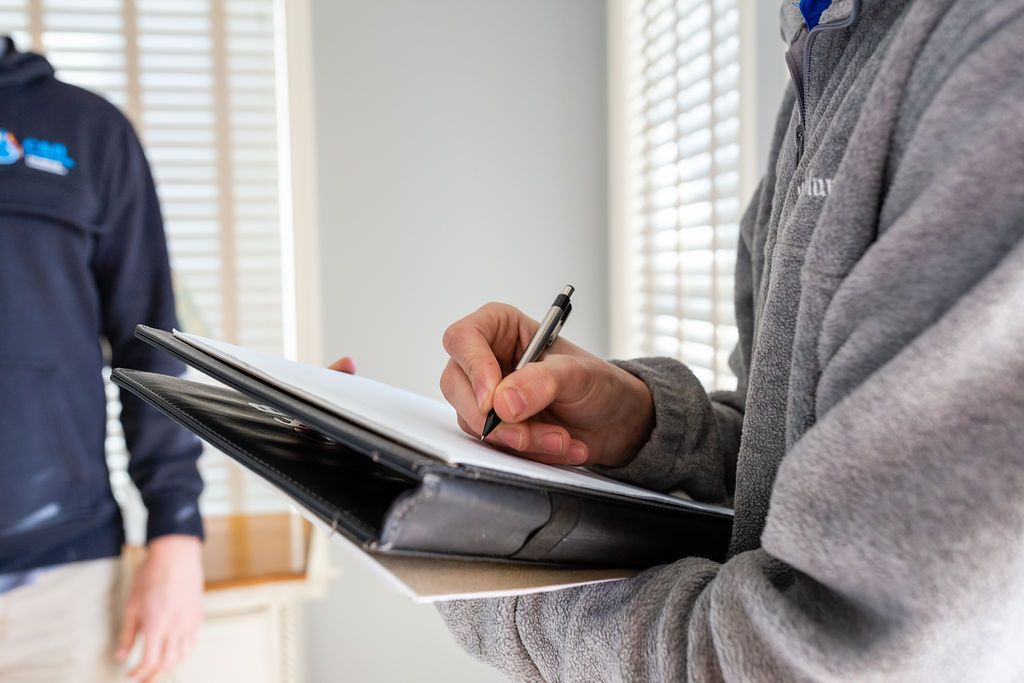
We inspect and moisture-map the affected area, checking flooring, the subfloor beneath it, and nearby framing for how far water has traveled. Where finished flooring needs to come up to access the subfloor, we remove only what's necessary. Subflooring that's still structurally sound gets dried in place with air movers and dehumidifiers; sections that have swollen, delaminated, or lost structural integrity typically need to be cut out and replaced rather than dried.
We track moisture readings throughout rather than assuming a section is dry once it looks that way, and document the whole process — what was dried, what was removed, and why — for your insurance carrier.
Common Damage Areas and Warning Signs
Subfloor damage tends to concentrate near the original source of water — under a bathroom, beneath a kitchen sink area, along an exterior wall after a roof or window leak, or across a basement or first-floor room after flooding. Warning signs include flooring that feels soft, springy, or uneven underfoot, floorboards or tile that have shifted or cracked, a musty smell coming from beneath the floor, and visible staining or discoloration on the underside of subflooring visible from a basement or crawl space below.
Moisture in a subfloor can also spread laterally well beyond the room where the leak occurred, following the path of least resistance across floor joists. That's why we map moisture rather than assuming the damage stops at the edge of the visibly wet area. If prolonged moisture has led to mold growth, our mold remediation team handles that as a separate, specialized process.
In homes with a basement or crawl space, a stained or sagging subfloor is often easier to spot from below than from the room above. If you have access to that space, a flashlight check along the joists near the affected area can reveal staining or sagging well before it shows up in the flooring overhead.
Cleanup, Drying, and Repair Coordination
Our work covers inspecting, drying, removing, and documenting subfloor water damage. If the source was a plumbing leak, roof leak, or appliance failure, we coordinate with the appropriate repair provider for fixing that source rather than performing that repair ourselves.
Once subflooring is dry or replaced, reinstalling finished flooring falls under reconstruction. C&B offers full-service reconstruction, so one company takes the job from the first call to the finished rebuild.
Related Water Damage Services
Subfloor damage connects closely to several other services depending on what's affected. Structural drying covers our broader approach to drying framing and subflooring. Moisture mapping explains how we trace water through a property before deciding what needs to come up or out. Where hardwood flooring is involved specifically, our hardwood floor water damage page covers cupping, buckling, and other wood-specific concerns. Our water damage restoration hub and water damage cleanup page cover the fuller restoration process, and water mitigation explains how we limit damage from spreading further.
Get Subfloor Water Damage Help in Delaware & Maryland
If you suspect water has reached the subfloor anywhere in your Delaware or Maryland property, call C&B Complete Cleaning & Construction. We'll inspect what's affected, dry what can be saved, and remove and document what can't.
We've served this region since 1986, we're licensed, bonded, and insured (DE 2007223623, MHIC 132085), and an IICRC-certified technician is on every crew we send. Call (302) 381-9891 any time, or send us a request online and we'll follow up within 15 minutes during business hours.