Hardwood Floor Water Damage Restoration in Delaware & Maryland
Water under hardwood flooring is one of the trickier water damage scenarios we handle, because wood reacts to moisture differently than carpet, tile, or laminate — damage that looks minor on day one can turn into cupped or buckled boards within days if it isn't addressed quickly. C&B Complete Cleaning & Construction provides hardwood floor water damage restoration across Delaware and Maryland for leaks, overflows, flooding, appliance failures, and plumbing issues that reach wood flooring in a home or business.
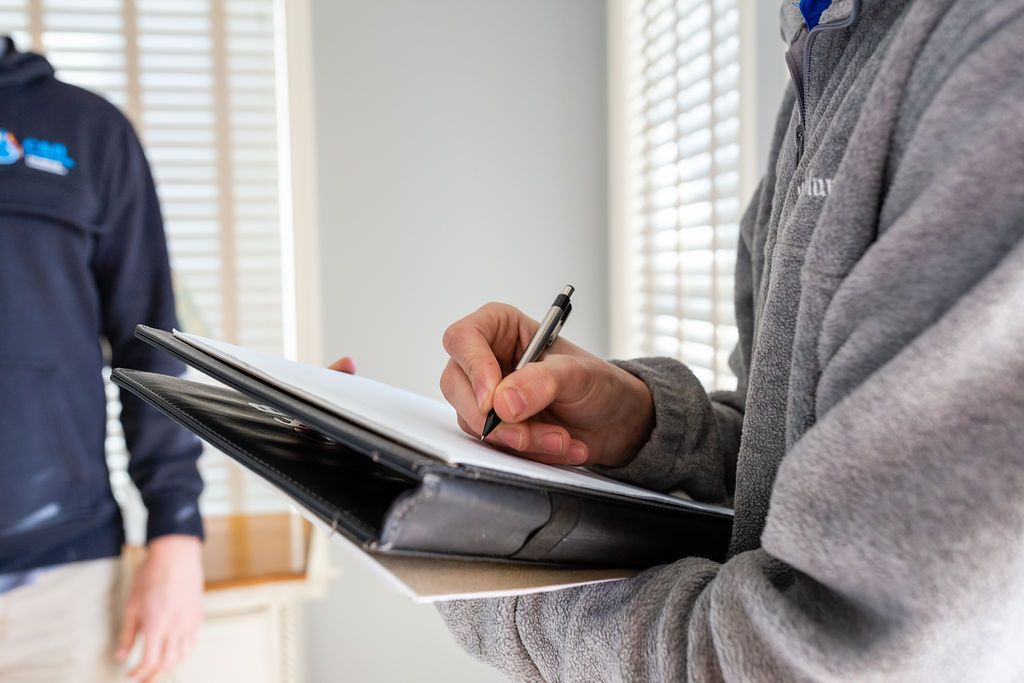
We answer the phone 24/7, and a First Responder is on site within 90 minutes of your call. Every crew includes an IICRC-certified technician, and we begin with a free inspection to find out how far water has moved under and around the affected boards before we decide on a drying approach. This is one piece of the broader water damage restoration work we do across Delaware and Maryland.
If water has reached your hardwood floors, call (302) 381-9891. The faster we begin extraction and controlled drying, the better the odds of saving the flooring rather than replacing it.
Signs water has damaged wood flooring
Hardwood doesn't always show water damage right away, and by the time it does, moisture has often been sitting underneath for a while. Watch for boards that feel soft or spongy underfoot, gaps that open between boards, or edges that start to curl upward — a process called cupping. Discoloration, a musty smell, or finish that looks cloudy near a wall or appliance are also signs water reached the wood, even if the surface still looks mostly normal.
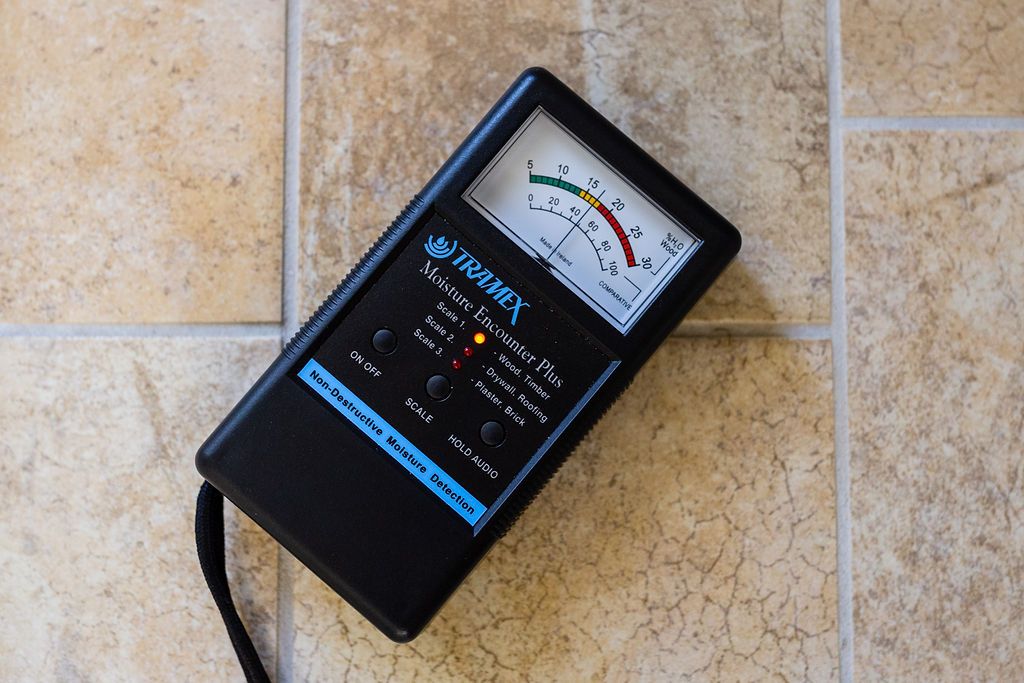
Sometimes the giveaway isn't the floor itself but what's near it — a stain on a ceiling below, a damp baseboard, or a section of floor that feels noticeably cooler than the rest of the room. Any of these are reasons to have the area inspected rather than waiting to see if it dries on its own. We check with a moisture meter rather than guessing from appearance, and if standing water is involved, our water extraction page covers how we remove it before drying begins.
Extraction, drying, and moisture monitoring
Once we know how far the water traveled, we remove any standing water first, then set up drying equipment sized to the space and the moisture involved. Depending on the flooring and subfloor, that might mean specialized drying mats that pull moisture up through the wood itself, or air movers and dehumidifiers positioned to dry the room as a whole while we track how the flooring responds.
Wood dries more slowly and less predictably than most other flooring materials, so we take moisture readings throughout the job rather than working off a set schedule. Most drying projects take 3 to 7 days, though hardwood specifically can take longer depending on the wood species, the finish, and how long the area was wet before we arrived. Equipment runs 24 hours a day for best results. For a closer look at how we handle drying below the surface — subfloor, framing, the structural side of the job — our structural drying page covers that process in more detail.
Cupping, crowning, buckling, and subfloor concerns
Wood flooring reacts to moisture in fairly predictable stages. Cupping happens first, when the edges of each board absorb moisture and swell while the center stays comparatively dry, causing the edges to rise. Left unaddressed, that can progress to buckling, where entire boards lift away from the subfloor. Crowning is the opposite pattern — the center of a board rises higher than the edges — and it often shows up after a floor has been dried too aggressively, which is one reason we track moisture carefully rather than rushing the process.
The subfloor underneath matters as much as the visible flooring. Plywood and OSB subfloor can delaminate or swell if they stay wet too long, and that has to be addressed before new flooring goes down, regardless of whether the original boards are saved. We map moisture through the flooring and into the subfloor with meters, not the eye test, so we know what's actually happening beneath the surface before we make any decisions. Our moisture mapping page covers that inspection process specifically.
When floors can be saved versus replaced
Whether hardwood can be dried and kept comes down to a few factors: how long the wood was wet, the water's contamination level, how far cupping or buckling has already progressed, and what's happening with the subfloor underneath. Solid hardwood caught early sometimes dries flat again with no lasting damage. Floors that stayed wet for days, or that show significant buckling, more often need boards replaced in the affected area, and in some cases a larger section of flooring.
We won't know which applies to your floor until we've inspected it, and we'll walk you through that assessment honestly rather than promising an outcome before we've seen the damage. If the water damage traces back to a leak coming up from below — a slab or foundation-level source rather than a leak from above — our slab leak water damage page covers that scenario, since the drying approach and the source of the moisture are different.
Insurance documentation and repair planning
We document every hardwood floor job as we work — photos before and during drying, moisture readings, and an itemized scope of what was affected. Our Adjuster Liaison sends that documentation directly to your carrier, and we price the work using Xactimate. Our Client Care Coordinator is your single point of contact throughout, so you're not chasing updates from a different person every time you call.
What we can't do is tell you what your policy will cover — that determination belongs to your insurance carrier, based on your policy and the cause of loss. Once drying is complete and we know what flooring needs to be replaced, we can handle that repair work through our reconstruction services, so one company takes the job from the first call to the finished rebuild. Either way, our documentation gives whoever does the work a clear record of what happened.
Call C&B for hardwood floor water damage in Delaware & Maryland
Wood flooring doesn't give you much time before minor water damage becomes a bigger repair. Call C&B Complete Cleaning & Construction for hardwood floor water damage restoration in Delaware & Maryland — we'll inspect the damage, extract any standing water, and start controlled drying to give your floors the best chance of being saved. If replacement ends up being necessary, we'll explain why before anything comes out.
We've worked this region since 1986, we're licensed, bonded, and insured (DE 2007223623, MHIC 132085), and an IICRC-certified technician is on every crew we send. Call (302) 381-9891 any time, day or night, or send us a request online and we'll follow up within 15 minutes during business hours.