Basement Flooding Cleanup in Delaware & Maryland
C&B Complete Cleaning & Construction provides basement flooding cleanup across Delaware and Maryland for finished and unfinished basements affected by storm water, sump pump failure, plumbing leaks, sewer backups, foundation seepage, and appliance failures. Basements sit low in the house and often have less airflow than the rooms above, so water that pools there tends to sit longer and spread further before anyone notices — which makes fast water removal, safe drying, humidity control, and contents protection more important than in most other rooms.
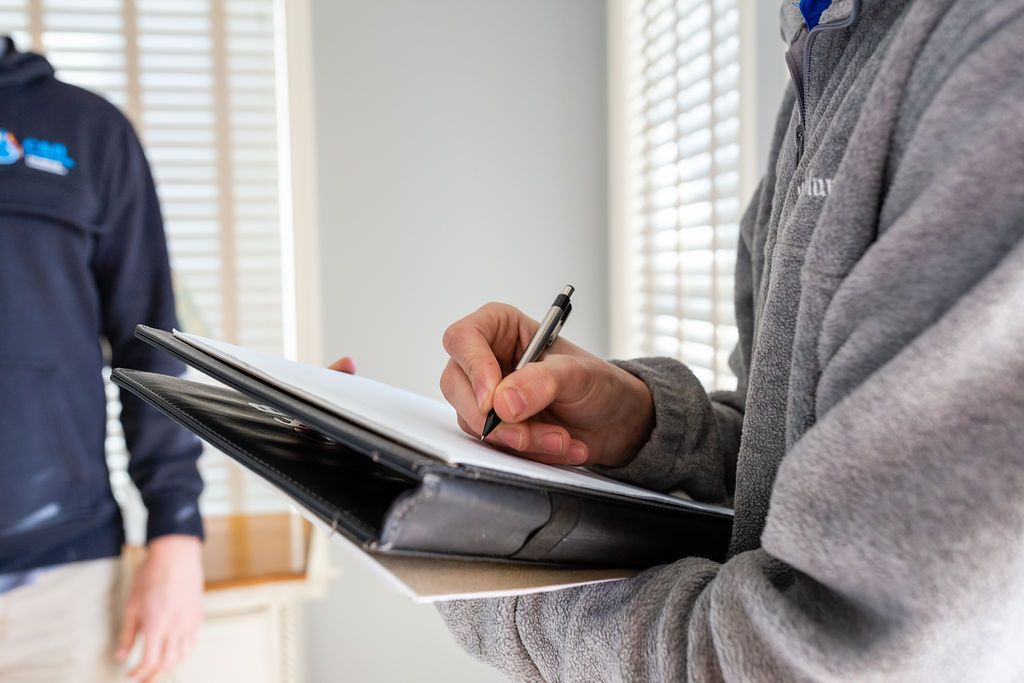
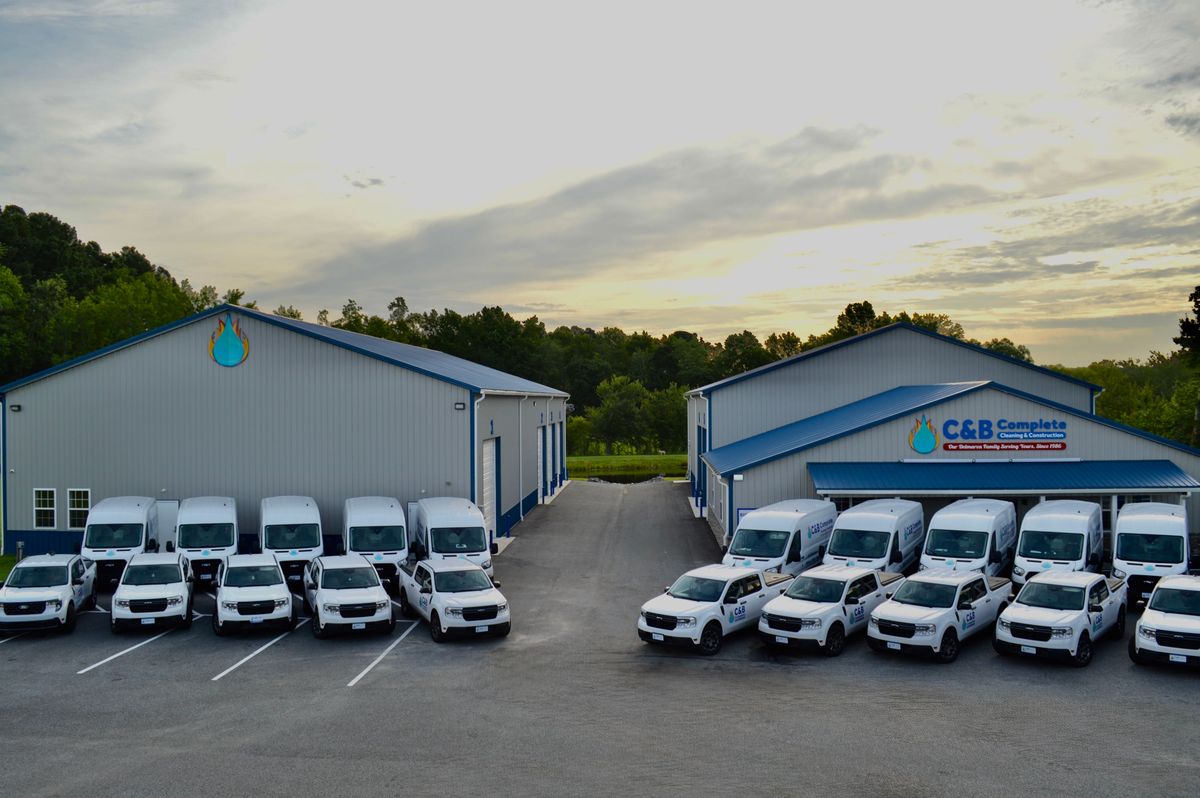
We answer the phone 24/7, and a First Responder is on site within 90 minutes, with an IICRC-certified technician on every crew. We start with a free inspection to see how far the water traveled before we write a plan, since basement water often reaches further under flooring and behind walls than it looks like from the doorway.
If your basement is flooded right now, call (302) 381-9891. Inspections are free.
Common causes of basement flooding
Most basement flooding we see traces back to a handful of sources: sump pump failure during heavy rain, foundation cracks letting groundwater seep in, storm water overwhelming drainage around the property, a burst or leaking supply line, a water heater failure, or a sewer or floor drain backing up under pressure. Basements near the coast or in low-lying areas are also more prone to seasonal groundwater intrusion, especially after extended wet weather.
The source matters because it determines what category of water we're dealing with and how we approach cleanup. Clean water from a supply line is the most straightforward. Storm water, groundwater, and sewer backups carry contamination and call for more careful handling. Whatever the cause, our water extraction page covers how we handle the removal step once we're on site.
Water removal, drying, and moisture monitoring
Standing water comes out first, using truck-mounted or portable extraction equipment depending on how much water is involved and how the basement is laid out. Once the visible water is gone, we set up air movers and dehumidifiers to pull moisture out of concrete, framing, drywall, and subfloor — basement materials tend to hold moisture longer than the same materials upstairs, since there's less natural airflow and often less direct sunlight.
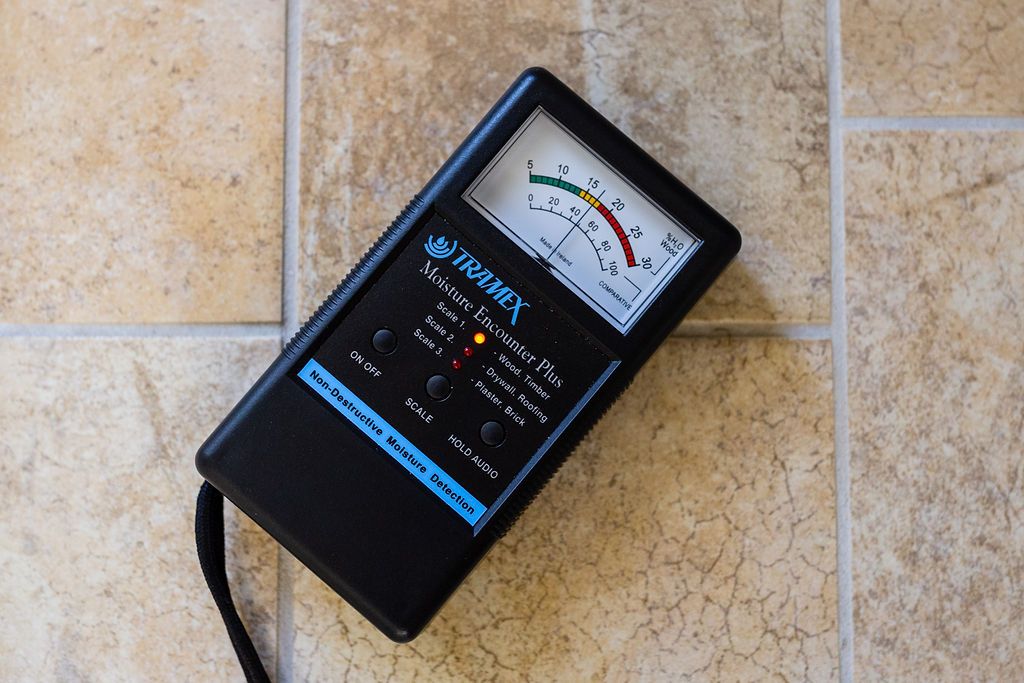
We take moisture readings throughout rather than calling a space dry by feel, and equipment runs 24 hours a day for best results. Most drying projects take 3 to 7 days, though basements with deep flooding or slow-draining groundwater sometimes take longer. If your basement flooding happened alongside a sewer or septic backup, our sewage cleanup page covers that scenario specifically, since it needs a different cleaning and safety approach than clean water.
Finished basement materials and contents risks
Finished basements bring more at risk than an unfinished space — carpet and carpet pad, drywall, baseboards, built-in cabinetry, and often a fair amount of stored furniture, electronics, or seasonal belongings. We inspect each material individually rather than assuming everything needs to be removed. Solid wood framing and subfloor can often be dried in place; carpet pad, particleboard cabinetry, and drywall that's been wet for more than a day or two usually can't.
For anything that can be safely moved, we relocate it out of the work area before drying equipment goes in — boxes, furniture, area rugs. Items that need cleaning or drying off-site can be documented and packed out as part of the job. We'll tell you plainly which materials we think can be saved and which need to come out, and why, before anything gets removed.
Sump pump failures, sewer backups, and floor drains
A sump pump that fails during a storm is one of the most common ways a dry basement becomes a flooded one — power outages, a stuck float switch, or a pump that simply can't keep up with the volume of water coming in. If your flooding traces back to a failed sump pump, we clean up and dry the resulting water damage; getting the pump itself repaired or replaced is a job for a licensed plumber or pump specialist, and we're glad to work alongside whoever handles that.
Sewer backups and floor drain backups are a different category entirely — that water is contaminated and needs to be treated that way from the first step, not cleaned up like a clean-water spill. We handle these situations with the containment, protective equipment, and disposal procedures that level of contamination requires. Our sewage cleanup page walks through that process in more detail if that's what you're dealing with.
Mold prevention after basement water damage
Basements are naturally more mold-prone than other rooms — less airflow, often less light, and materials like concrete and framing that hold moisture longer. Fast extraction and thorough drying are the biggest factors in reducing that risk, which is why we track moisture with meters rather than guessing when a basement is dry.
We can't guarantee mold prevention in every situation; how much risk remains depends on how long the water sat before cleanup started, what got wet, and conditions in the space itself. If we find visible mold or a strong musty smell once we're on site, that's handled separately by our mold remediation team rather than as part of standard drying.
Call C&B for Basement Flooding in Delaware & Maryland
If your basement has flooded in Delaware or Maryland, call C&B Complete Cleaning & Construction. We'll inspect the damage, remove the water, dry the space, and document everything so you have a clear plan for what comes next — whether that's a quick dry-out or a fuller rebuild.
We've served this region since 1986, we're licensed, bonded, and insured (DE 2007223623, MHIC 132085), and an IICRC-certified technician is on every crew we send. Call (302) 381-9891 any time, day or night, or send us a request online and we'll follow up within 15 minutes during business hours.