Crawl Space Mold Removal for Damp, Musty, or Water-Damaged Crawl Spaces in Delaware & Maryland
Crawl spaces stay out of sight, which is exactly why mold problems there often go unnoticed until the smell reaches the living space above. Our team removes mold from floor joists, subfloor, insulation, and other crawl space materials across Delaware and Maryland, and we connect the cleanup to whatever's keeping the space wet — ground moisture, a missing vapor barrier, standing water, or a leak.
It's one of the more common calls we get in this region, since older homes throughout Sussex, Kent, and the Eastern Shore counties were often built with vented, unconditioned crawl spaces that hold onto moisture long after the ground outside has dried.
Every crew includes an IICRC-certified technician, and we've worked in this region since 1986. We answer the phone 24/7, and a First Responder is on site within 90 minutes of your call.
Why Mold Grows in Crawl Spaces
Crawl spaces are naturally humid — ground moisture rises through bare soil, and without a vapor barrier or adequate ventilation, that moisture has nowhere to go. Add a plumbing leak, foundation seepage, flooding, HVAC condensation dripping from ductwork, or wet insulation that never fully dried, and you've got the conditions mold needs.
Coastal and low-lying properties throughout Delaware and Maryland see this more than most, since the water table sits closer to the surface and crawl spaces stay damp longer between dry spells. Bay- and canal-adjacent homes in particular deal with ground moisture that never fully drains, even in a dry summer. Summer humidity makes the problem worse on top of that — warm, moisture-laden air condenses on cooler surfaces inside the crawl space even when nothing has actually leaked.
Signs of Crawl Space Mold
You may notice it before you ever go down there: a musty odor upstairs that gets stronger near vents or floor registers, higher humidity in the rooms above, or a home inspection report that flags it directly. Down in the crawl space itself, look for visible growth on wood framing, damp or sagging insulation, standing water, and a smell that's noticeably stronger than the rest of the house.
If a home inspector flagged crawl space moisture or mold during a real estate transaction, that report is a good starting point for what we look at first.
Crawl Space Mold Remediation Process
Crawl spaces are tight, low-clearance work areas, so our process accounts for that:
- Access and safety setup, since most crawl spaces require confined-space precautions — proper ventilation, lighting, and protective equipment — before anyone goes in.
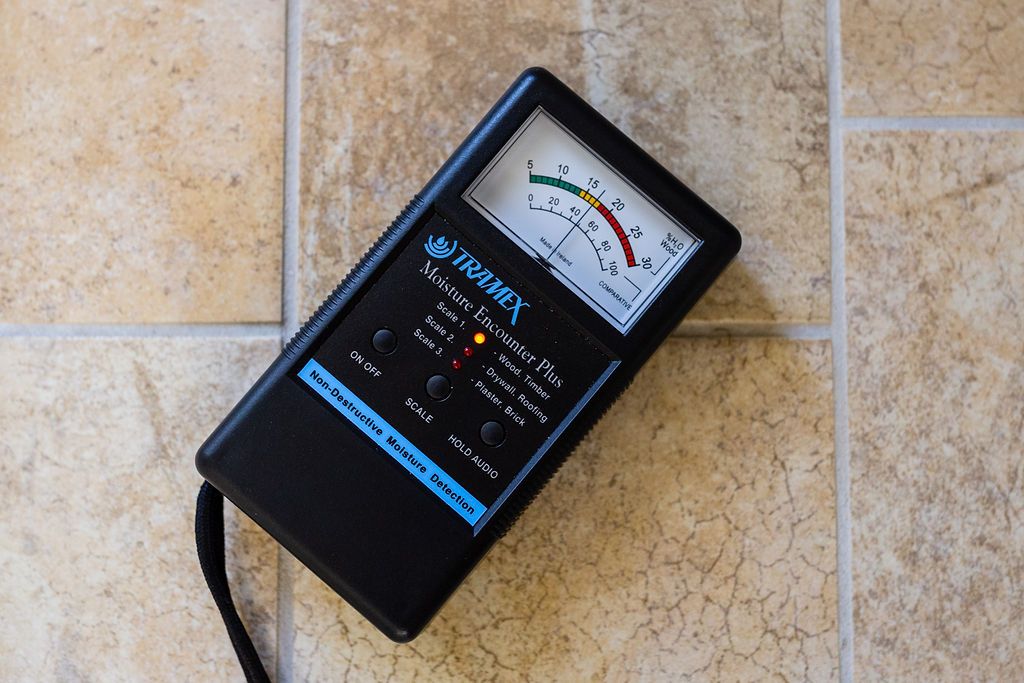
- Moisture and source inspection to find what's actually keeping the space wet.
- Removal of contaminated insulation or debris that can't be cleaned.
- Cleaning and treatment of affected wood framing and subfloor.
- Drying with lower-profile air movers and dehumidifiers sized for a crawl space, since standard room equipment often won't fit through a crawl space access door.
- Prevention recommendations based on what we found causing the moisture.
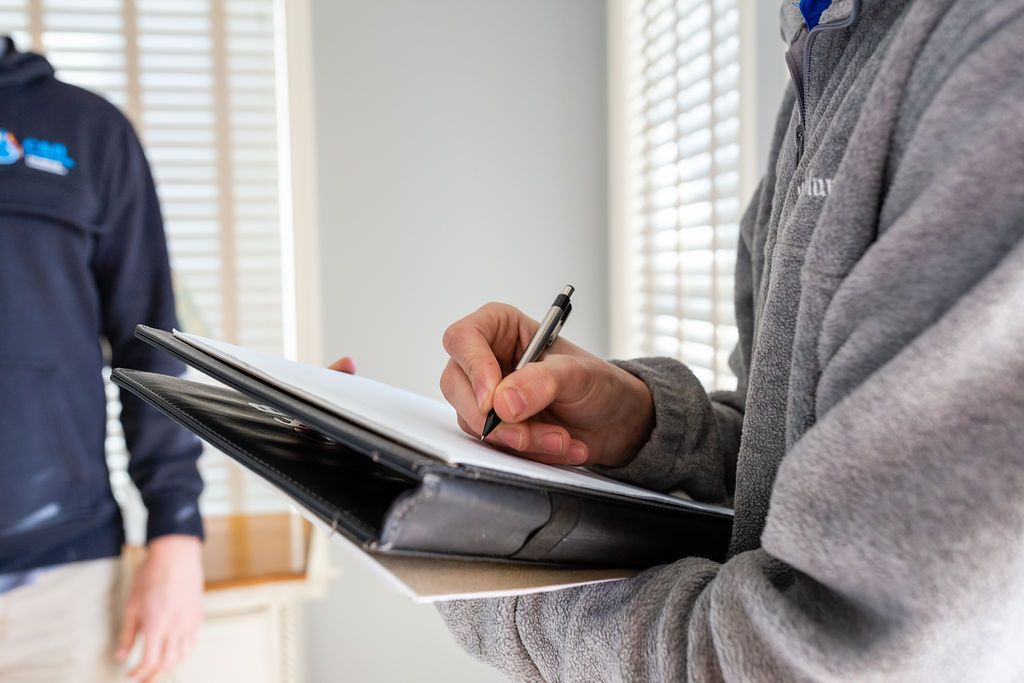
We document the work with photos, since crawl space conditions are hard to see for yourself once we're finished. That documentation also matters if you're working with an insurance carrier or need a record for a real estate transaction — our Client Care Coordinator keeps that paperwork organized so you're not tracking it down later.
Preventing Crawl Space Mold From Returning
Cleaning up the mold without addressing the moisture behind it is a short-term fix. Depending on what we find, prevention might mean improving drainage around the foundation, addressing a plumbing leak, running a dehumidifier, or installing a vapor barrier over the soil. Full encapsulation is a bigger project than standard mold remediation, and we'll tell you plainly if your crawl space would benefit from it rather than including it by default.
We'll also flag anything structural we notice along the way, like framing that's stayed wet long enough to soften, even though structural repairs themselves fall outside our crawl space mold scope.
Request Crawl Space Mold Help in Delaware & Maryland
If your crawl space has a musty smell, visible growth, or standing water, call C&B Complete Cleaning & Construction before the odor works its way into the rooms above. We'll inspect the space, identify the moisture source, and recommend a plan for cleanup and prevention. A First Responder is on site within 90 minutes of your call.
We're licensed, bonded, and insured (DE 2007223623, MHIC 132085), with an IICRC-certified technician on every crew. Call (302) 381-9891, or send us a request online and we'll follow up within 15 minutes during business hours.