Fire Sprinkler Water Damage Cleanup in Delaware & Maryland
A fire sprinkler system can discharge hundreds of gallons in minutes, and once it activates — from a real fire, a malfunction, or accidental impact — that water spreads across ceilings, into tenant spaces, and down through multiple floors of a commercial building. We handle the water damage cleanup that follows a fire sprinkler discharge anywhere in Delaware & Maryland, extracting standing water, drying the structure and contents, and documenting the loss for your records.
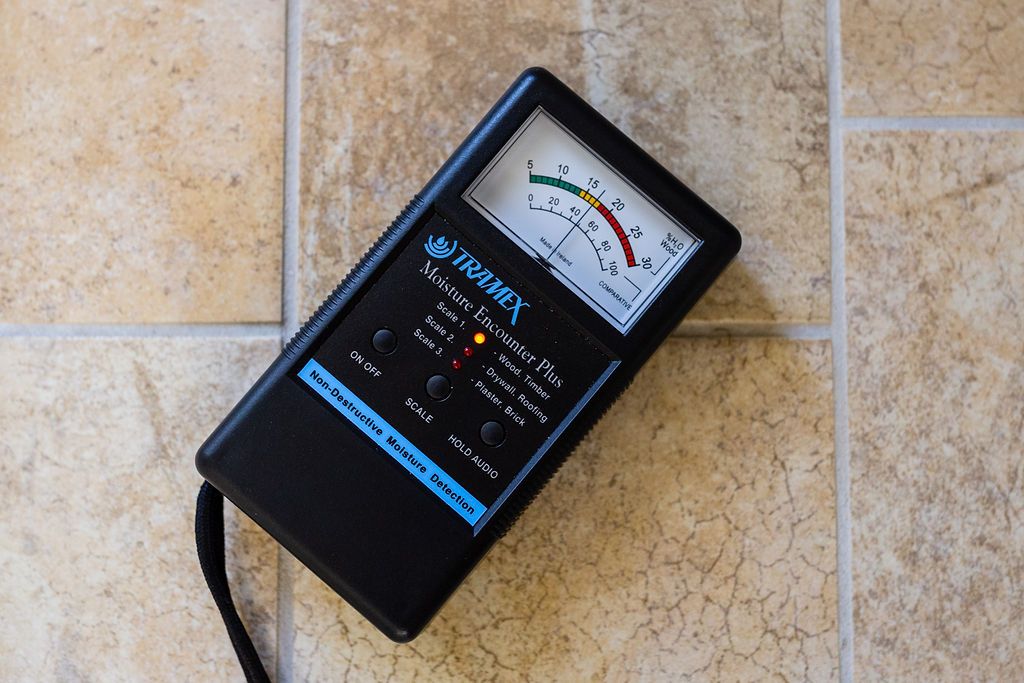
Our crews extract standing water, check ceilings, walls, and flooring across affected tenant spaces with moisture meters, and set drying equipment to limit how far the damage spreads. An IICRC-certified technician is on every crew, and a free inspection tells you the real extent of the damage before work begins.
If a fire sprinkler has discharged and you have active water in your building right now, call (302) 381-9891. Our line answers 24/7 for restoration emergencies.
What to Do Right Away
If the fire sprinkler system has already been shut off by the fire department or a facility technician, the priority becomes protecting contents and stopping water from spreading between floors or tenant spaces. If the system is still discharging, that shutoff should come from someone qualified on the fire protection system, not from cutting power or attempting a shutoff yourself.
A few things to keep in mind while you wait for help:
Leave the sprinkler system shutoff to fire department personnel or a qualified fire protection technician.
Move electronics, inventory, and records away from standing water if it's safe to do so.
Cover or relocate sensitive equipment and documents to a dry area.
Photograph the water and any visible damage across affected spaces before cleanup starts.
Restrict access to affected areas until a technician has assessed ceiling, wall, and flooring conditions.
Call (302) 381-9891 for guidance on next steps, even before a crew arrives.
How Our Fire Sprinkler Water Damage Process Works
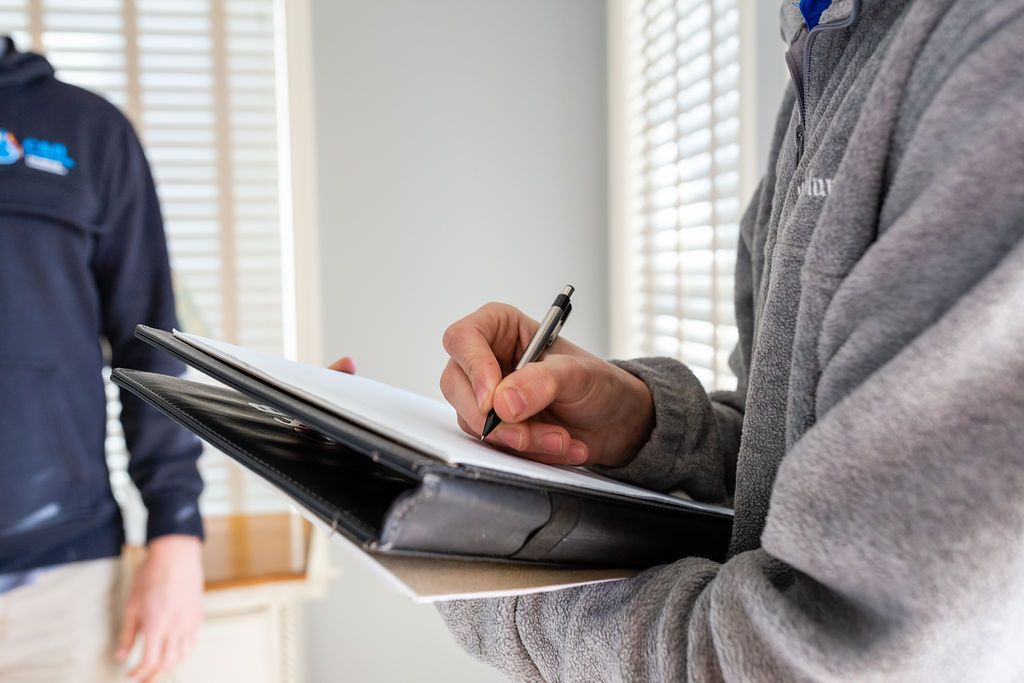
We start with an inspection — moisture meters and, where needed, thermal imaging to map how far water traveled across ceilings, into wall cavities, and down through the floors below the discharge point. If there's standing water, we extract it first, prioritizing the areas most likely to affect building operations or tenant access.
From there, drying equipment goes to work across the affected space. Most drying projects take 3 to 7 days, though a multi-floor commercial discharge can take longer depending on how many spaces were affected. Equipment runs 24 hours a day, and we take moisture readings throughout so we know when ceilings, walls, and flooring are genuinely dry.
Everything is documented with photos and measurements for your insurance file and priced with Xactimate. Our Adjuster Liaison keeps your carrier and your Client Care Coordinator keeps you and your property manager updated as the job moves.
Common Damage Areas and Warning Signs
Fire sprinkler discharge affects a building differently than a typical plumbing leak because of how much water releases at once and how far it travels across a ceiling grid before coming down. Ceiling tiles, insulation above the ceiling, and anything in the direct path of the discharge take the first hit, followed by flooring, furnishings, and contents in tenant spaces below.
Warning signs worth checking in the hours and days after a discharge: sagging or stained ceiling tiles beyond the immediate discharge area, water intrusion into floors below the affected level, damage to inventory, electronics, or paper records, and a musty smell developing in spaces that seemed dry initially. Water travels across ceiling grids and down through floor penetrations well beyond the room where the sprinkler activated, which is why we check the full building footprint with moisture meters rather than just the room in question. If moisture has sat long enough to become a mold risk, we'll flag that during inspection and route confirmed growth to our mold remediation team.
Cleanup, Drying, and Repair Coordination
Our part of the job is the water damage — extraction, drying, cleaning, contents handling, and documentation across the affected commercial space. If the fire sprinkler system itself needs inspection, recharging, or repair, that's a job for a licensed fire protection company, and we coordinate around their schedule.
Where ceiling grids, drywall, or flooring need to be rebuilt after drying, we offer full-service reconstruction, so one company takes the job from the first call to the finished rebuild. We document the scope along the way, so your property manager or ownership group has what they need and the rebuild can start as soon as drying is done.
Related Water Damage Services
Fire sprinkler water damage often overlaps with services our other pages cover in more depth. Commercial Water Damage Restoration covers water loss in commercial and multi-tenant buildings more broadly, and Commercial Restoration Services is our full overview of commercial work. Water Extraction covers standing water removal on its own, and Contents Cleaning and Storage covers protecting and restoring inventory, equipment, and documents affected by the water. Water Damage Restoration is our full overview of the water damage process across Delaware & Maryland, and Water Damage Cleanup and Water Mitigation cover sanitizing and broader mitigation steps.
Get Fire Sprinkler Water Damage Help in Delaware & Maryland
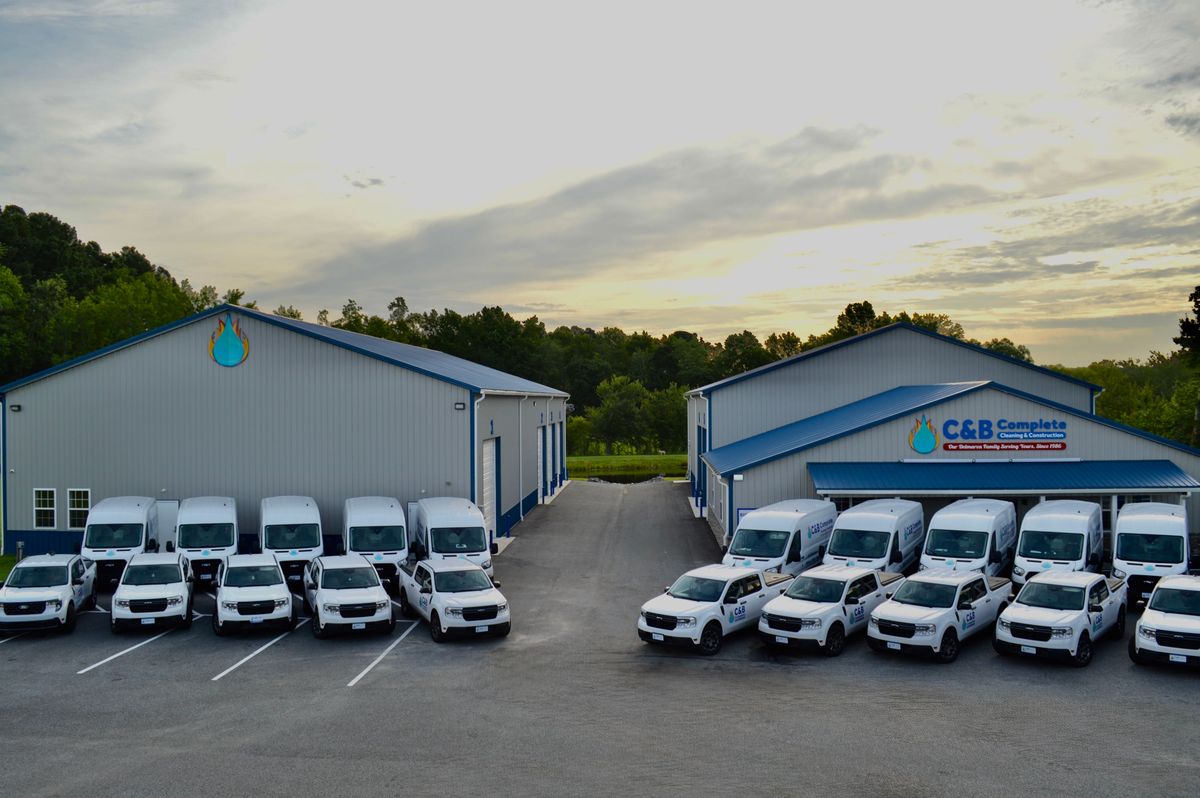
We've served Delaware and Maryland's Eastern Shore since 1986, working with commercial property owners and managers on losses that need to move fast to limit business disruption. Whether the discharge affected one room or multiple floors, call us and we'll walk through what we see and what happens next.
Call (302) 381-9891 — we answer 24/7 for restoration emergencies. For a non-urgent inspection or a question about damage you've noticed, send us a request and we'll follow up within 15 minutes during business hours.