Mold Damage Restoration and Repair After Remediation in Delaware & Maryland
Mold rarely leaves a property the way it found it. By the time the growth is gone, you're often left with cut-out drywall, pulled insulation, warped flooring, or cabinets that took on moisture and never fully dried. C&B Complete Cleaning & Construction handles that side of the job across Delaware and Maryland — repairing and rebuilding the areas mold damaged, once the mold and moisture problem itself has been addressed.
This is repair and restoration work, not remediation. If you still have active mold growth or an unresolved moisture source, that has to be handled first — our mold remediation team covers containment, removal, and drying. This page is for what comes after: putting drywall, flooring, cabinets, and finishes back so the space is usable again.
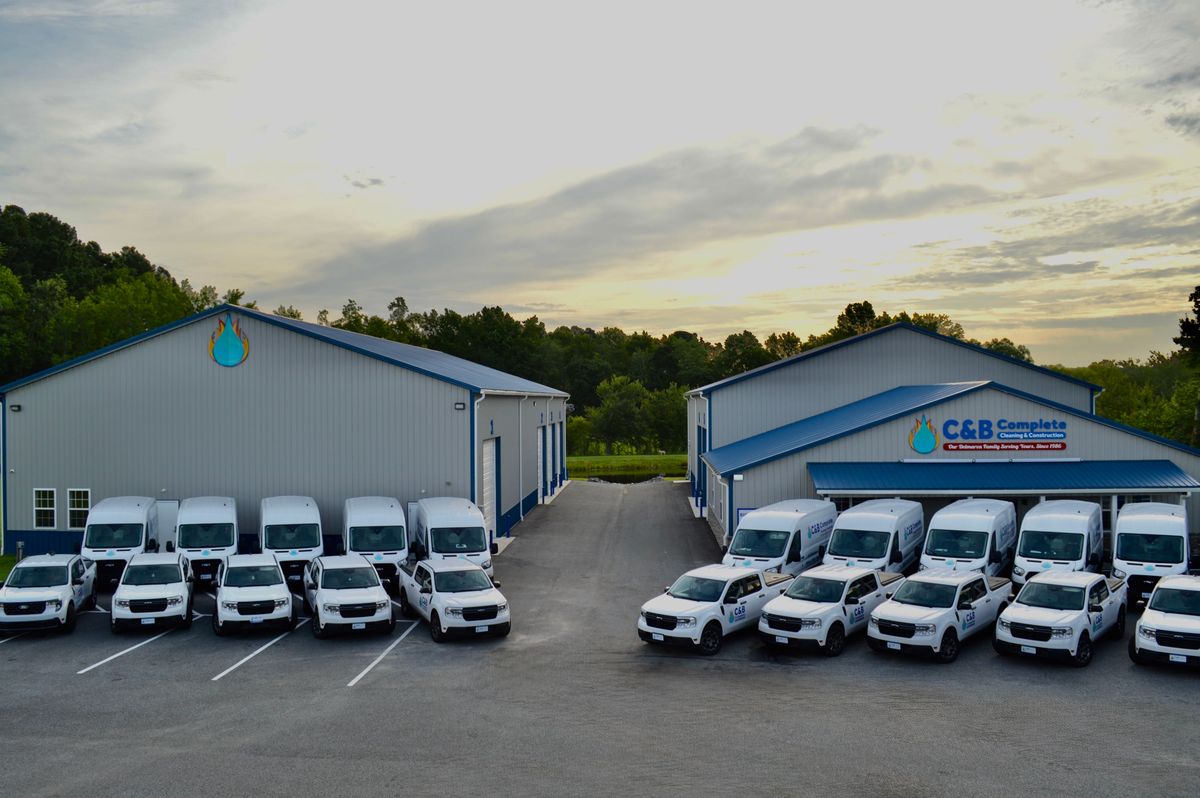
Every crew includes an IICRC-certified technician, and we've worked in this region since 1986. We answer the phone 24/7, and a First Responder is on site within 90 minutes of your call to talk through what your specific repair scope looks like.
What Counts as Mold Damage
Mold damage covers more than the visible growth itself. It's the materials and finishes affected by the mold, the moisture that fed it, or the demolition needed to remove contaminated material safely. That typically includes:
- Drywall and wallboard that was cut out during containment or removal.
- Insulation pulled from a wall cavity, attic, or crawl space.
- Flooring — hardwood, laminate, carpet, or subfloor — that warped, delaminated, or stayed wet too long.
- Cabinets and built-ins, especially particleboard bases that swelled or softened.
- Trim, baseboards, and framing exposed once porous materials come out.
- Lingering musty odor and staining on surfaces that were near the affected area.
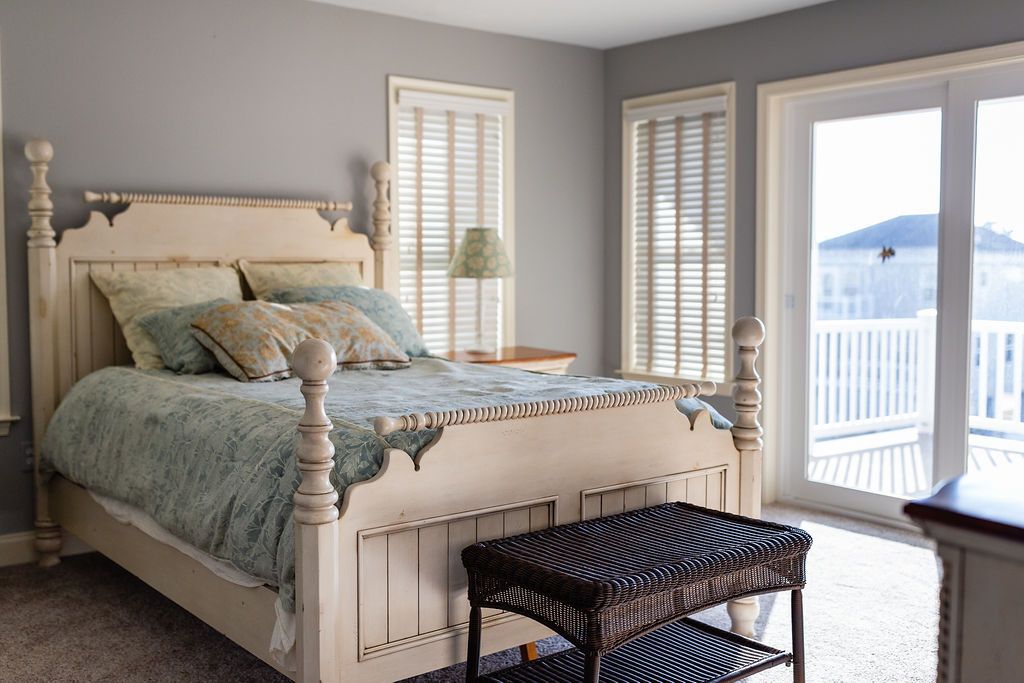
Not every case needs the same scope. A small bathroom ceiling patch might mean replacing a few square feet of drywall. A basement that flooded and grew mold for weeks can mean flooring, drywall, insulation, and trim all coming out at once. We scope each job by what we actually find, not a standard package.
Mold Remediation Before Repairs
Repairs come after the mold problem is under control, not before. Rebuilding over an active moisture source or contaminated material just sets up the same failure again — new drywall over a wet stud, fresh paint over growth that was never fully removed. Our process is source control and containment first, removal and cleaning next, drying after that, and repair last.
If you haven't had the mold itself addressed yet, our mold remediation page covers that full process. If remediation is already done and you're left with the damage, you're in the right place.
Repairing and Rebuilding After Mold Damage
Once the space is clean and dry, we rebuild it. What that involves depends on what came out during remediation.
Drywall and Insulation
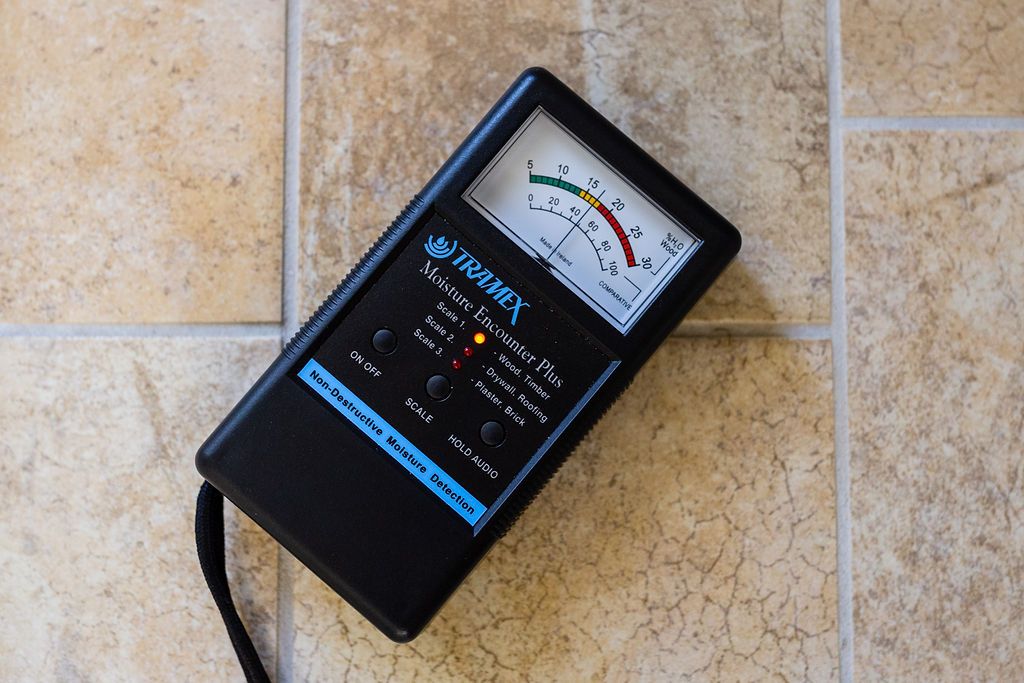
Contaminated drywall usually has to come out rather than be cleaned — mold can grow into the paper facing and core, not just sit on the surface. We replace drywall and insulation to match the existing wall or ceiling assembly, and we don't close anything back up until moisture readings confirm the framing behind it is actually dry.
Flooring and Trim
Hardwood, laminate, and carpet respond differently to moisture and mold. Some hardwood can be sanded and refinished if the damage is limited to the surface; subfloor and laminate more often need replacement once they've delaminated or warped. We'll tell you which category your flooring falls into before we start, and baseboards and trim are replaced to match wherever they were removed for access or were themselves affected.
Cabinets and Built-Ins
Kitchen and bathroom cabinets are common casualties of long-running leaks, since particleboard bases absorb moisture and swell. We replace cabinet boxes, toe kicks, and shelving that have taken on moisture, and we'll flag which components can be salvaged versus which need to come out.
Cleaning and Odor Control
Surfaces that weren't directly contaminated but were near the affected area — hard flooring, trim, fixtures — get cleaned and treated as part of the job. Musty odor is usually tied to the source: once contaminated material is out and the space is fully dry, most odor resolves. We won't promise a specific outcome on odor before we've seen the space, but addressing the source is what actually solves it, not masking it.
Remediation Through Rebuild
For jobs that go beyond patch repairs — a full room rebuild, cabinetry replacement, or coordinated finish work — our reconstruction team can take the project from framing to finished space. That keeps the whole job, from containment to the final walkthrough, with one company and one Client Care Coordinator.
Insurance Documentation for Mold Damage
We document mold damage repair work the same way we document remediation: photos, moisture readings, and a written scope of what was removed and why. Our Adjuster Liaison sends that documentation to your carrier, and we price with Xactimate, the estimating software most insurance companies already use.
Coverage for mold damage depends on your policy and what caused it — that determination belongs to your insurance carrier, not to us. We make sure the paperwork is thorough. We work with all insurance companies, and your Client Care Coordinator stays your single point of contact through the repair phase, not just the remediation.
Restore Mold-Damaged Areas in Delaware & Maryland
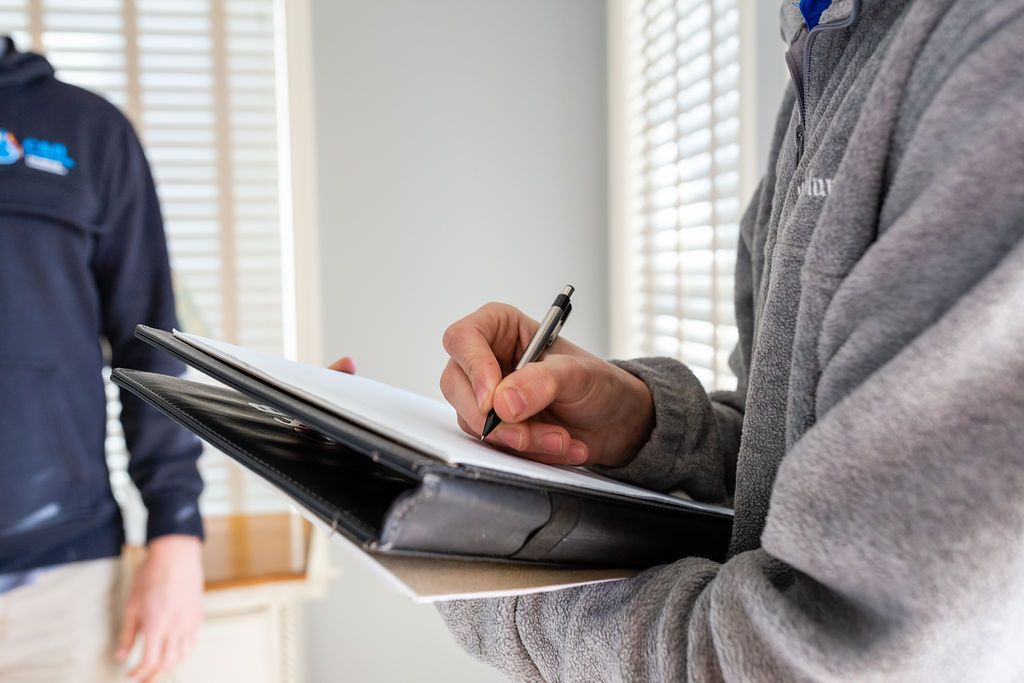
If mold has already been remediated and you're left with damaged drywall, flooring, cabinets, or trim, call C&B Complete Cleaning & Construction. We'll assess the affected materials with a free inspection, tell you plainly what needs to be replaced versus what can be saved, and give you a repair plan — not a generic estimate.
We're licensed, bonded, and insured (DE 2007223623, MHIC 132085), with an IICRC-certified technician on every crew, and inspections are free. Call (302) 381-9891, or send us a request online and we'll follow up within 15 minutes during business hours.