







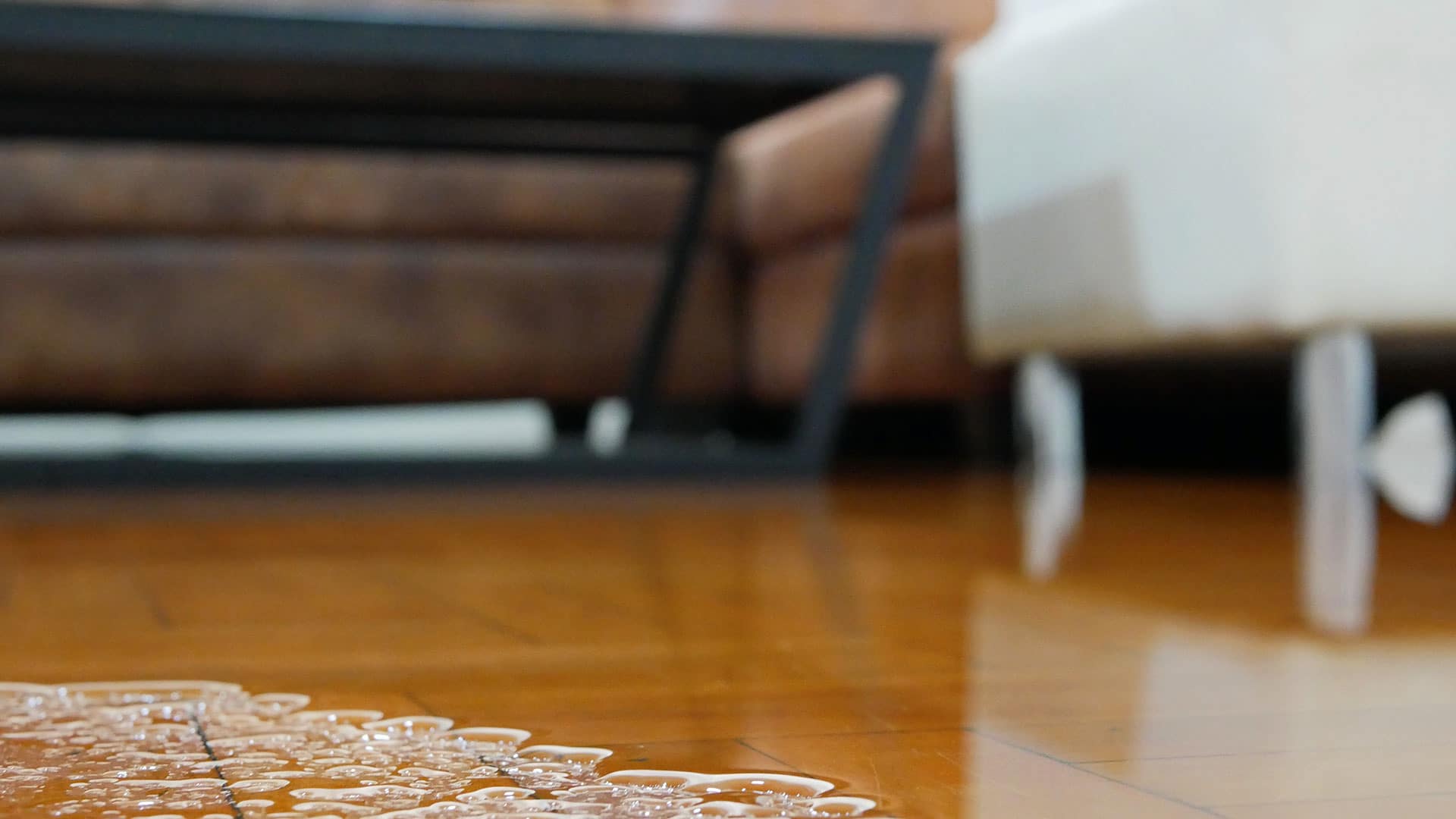
No. Water damage does not always lead to mold growth, but the risk rises when moisture remains in building materials for too long. The U.S. Environmental Protection Agency recommends drying wet or damp areas and materials within 24 to 48 hours when possible. That early response can help prevent mold from becoming a secondary problem after a leak, appliance failure, storm, or flood.
For property owners across Delmarva, the key is not simply removing visible water. Moisture can remain inside drywall, flooring, insulation, cabinets, and other porous materials after the surface appears dry. Professional water damage restoration focuses on locating that hidden moisture, controlling the affected environment, and drying materials thoroughly before mold has an opportunity to establish.
Water Damage and Mold: Understanding the Connection
Mold spores are naturally present indoors and outdoors, but they need moisture to grow. When water reaches drywall, wood, carpet, insulation, or other absorbent materials, those materials can hold moisture below the surface. If the moisture source is not corrected and the area does not dry properly, mold growth becomes more likely.
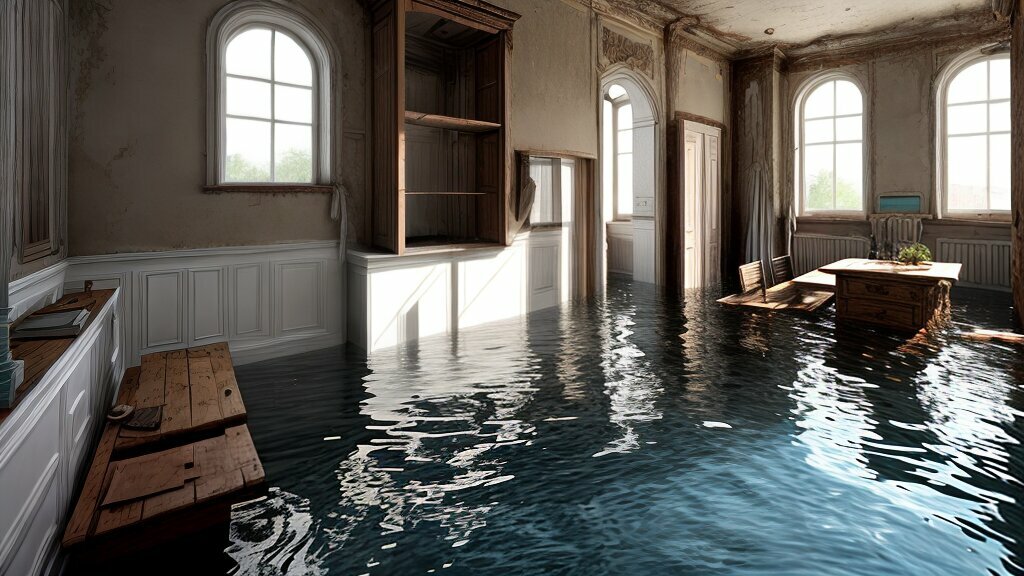
The source and extent of the water damage also matter. A small, quickly contained leak is different from a large loss involving standing water, contaminated water, or multiple rooms. Water that reaches wall cavities, subflooring, or insulation may be difficult to evaluate without professional equipment.
This is why the visible condition of a room does not always reveal the full extent of water damage. A professional assessment can help determine which materials are wet, where moisture has traveled, and what drying or removal measures may be appropriate.
Environmental Factors That Increase Mold Risk
Moisture is the primary factor behind indoor mold growth, but several conditions can increase the risk. High indoor humidity, limited airflow, repeated leaks, condensation, and porous building materials can all allow damp conditions to persist.
The EPA recommends keeping indoor relative humidity below 60 percent, ideally between 30 and 50 percent when practical. Humidity control is especially important after a water event because damp air can slow the drying process.
Materials also respond differently to water. Metal, glass, and some hard surfaces do not absorb moisture the same way drywall, carpet, insulation, and wood do. Porous materials may retain water internally even when they feel dry on the surface. That is one reason professional moisture monitoring can be valuable after significant water damage.
Common Areas Where Hidden Moisture Can Lead to Mold
Some parts of residential and commercial properties are more vulnerable because plumbing, drainage, ventilation, or exterior water intrusion can go unnoticed.
Basements and crawl spaces may experience groundwater intrusion, plumbing leaks, or elevated humidity. Bathrooms can develop moisture problems around tubs, showers, toilets, and poorly ventilated areas. Kitchens and break rooms may have hidden leaks beneath sinks, dishwashers, refrigerators, or other water-connected equipment.
Attics may be affected by roof leaks, condensation, or ventilation problems. Laundry and utility areas are also common sources of water damage because of supply lines, drains, water heaters, and washing machines.
Commercial buildings can face similar risks around mechanical rooms, restrooms, roofing systems, sprinkler lines, and vacant areas that are not inspected frequently. In any property, a musty odor, staining, warped materials, peeling finishes, or lingering dampness after a water event should be investigated.
Effective Mold Prevention After Water Damage
The most important priority after water damage is controlling the moisture source and beginning appropriate drying as soon as possible. Property owners should avoid entering areas that may contain electrical hazards, structural instability, sewage, or other contaminated water.
For significant losses, professional water extraction and structural drying can help reduce uncertainty. Restoration teams may use commercial drying equipment and moisture-measuring tools to evaluate affected materials and track drying progress. The objective is to address both visible water and moisture that may remain beneath or behind finished surfaces.
C&B Complete Cleaning & Construction provides water, fire, mold, and damage restoration services in Delaware and Maryland. The company offers 24/7 emergency service and serves communities throughout Kent, Sussex, Worcester, and Wicomico Counties.
Risk Zones Require Extra Attention
Water damage deserves closer attention when it affects enclosed, porous, or difficult-to-access areas. Wall cavities, insulation, subfloors, crawl spaces, carpet padding, and built-in cabinetry can hold moisture longer than exposed hard surfaces.
Repeated leaks are another warning sign. Even if each event appears minor, recurring moisture can create ongoing conditions that support mold growth and gradually damage building materials.
Property owners and facility managers should also consider the size and source of the loss. If water damage is extensive, involves contaminated water, or affects multiple materials and rooms, professional restoration is generally the safer and more reliable approach.
Steps for Detecting and Addressing Possible Mold
Visible discoloration can indicate a moisture or mold problem, but appearance alone does not establish the full extent of contamination. Musty odors can also suggest hidden mold and should prompt further investigation, particularly after a known leak or flood.
The priority is to locate and correct the moisture source. A restoration professional can evaluate affected materials and determine whether drying, removal, containment, or mold remediation is appropriate. Routine mold sampling is not always necessary simply to confirm that a moisture problem needs attention.
For larger or more complex mold conditions, C&B Complete Cleaning & Construction describes a remediation process that can include inspection, containment, air purification, removal of contaminated materials, detailed cleaning, sanitizing, and drying. The company also works with property owners and insurance companies during restoration projects.
Long-Term Mold Prevention Tips
After the immediate water loss is resolved, long-term moisture control helps reduce the chance of future mold growth. Property owners should repair recurring plumbing or roof leaks, keep drainage systems functioning, manage indoor humidity, and monitor areas that have experienced previous water damage.
Commercial property owners should also maintain routine inspections of roofs, mechanical areas, restrooms, plumbing systems, and other moisture-sensitive spaces. Documentation of water damage, affected materials, drying progress, and completed repairs can also support communication with insurance adjusters and other stakeholders.
Across Delmarva, fast action matters whether the property needs water damage restoration in Delaware, water damage service in Sussex County, mold remediation near Salisbury, or restoration services in Rehoboth Beach. C&B Complete Cleaning & Construction serves residential and commercial properties throughout Delaware and Maryland, including communities across Kent, Sussex, Worcester, and Wicomico Counties.
If water has entered your property, do not wait for visible mold before taking action. Contact C&B Complete Cleaning & Construction at 302-381-9891 for 24/7 restoration assistance and a professional assessment of the affected area.